Best AI in HealthTech USA: What Healthcare Leaders Need to Know
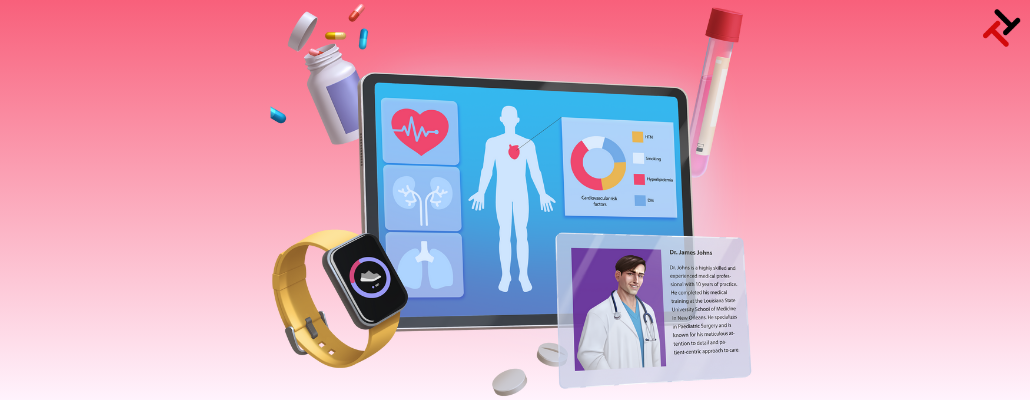
Healthcare organizations across the United States are racing to adopt artificial intelligence to improve diagnostics, streamline administration, and cut costs. Identifying the best ai in healthtech USA requires more than chasing hype—it demands understanding regulatory requirements, security obligations, and real-world performance data. This guide breaks down the current landscape so decision-makers can invest wisely.
Why AI Adoption Is Accelerating in US HealthTech
The U.S. Bureau of Labor Statistics projects strong growth in health information technology roles through the decade, reflecting the sector's shift toward data-driven care. Hospitals and clinics are deploying AI for clinical decision support, revenue cycle management, and predictive analytics to reduce readmissions.
Key Drivers Behind AI Growth
- Staffing shortages pushing automation of administrative workflows
- Rising demand for remote patient monitoring and telehealth
- Pressure to reduce costs while maintaining care quality
- Growing acceptance of AI-assisted imaging and diagnostics among clinicians
Top Categories of the Best AI in HealthTech USA
Not all healthcare AI serves the same purpose. Understanding categories helps organizations match tools to actual operational needs.
Clinical Decision Support Systems
These tools analyze patient data to flag risks, suggest diagnoses, or recommend treatment pathways. They are most valuable in emergency departments and primary care settings where rapid, accurate triage matters.
Administrative and Revenue Cycle AI
AI-driven coding, billing, and claims processing reduces denials and speeds reimbursement. The Centers for Medicare & Medicaid Services continues to update guidance on how automated systems must align with billing accuracy standards.
Predictive Analytics and Population Health
These platforms identify at-risk patient groups, supporting proactive outreach and reducing hospital readmissions, a metric closely tracked under value-based care models.
AI-Enabled Diagnostics and Imaging
FDA-cleared AI imaging tools now assist radiologists in detecting abnormalities faster, though human oversight remains mandatory under current clearance pathways.
Regulatory Landscape: Laws Shaping Healthcare AI
Any AI deployed in a clinical or administrative healthcare setting must comply with a layered set of federal requirements.
HIPAA and Data Privacy
The Health Insurance Portability and Accountability Act still governs how patient data is collected, stored, and shared, regardless of whether a human or an algorithm processes it. AI vendors must sign Business Associate Agreements and demonstrate safeguards against unauthorized access.
FDA Oversight of AI/ML Medical Devices
The FDA has cleared hundreds of AI-based medical devices through its Software as a Medical Device (SaMD) framework. Organizations should verify that any diagnostic AI tool carries appropriate FDA clearance before clinical use.
CMS Billing and Interoperability Rules
CMS interoperability requirements mandate that certified health IT systems support secure data exchange. AI platforms that touch claims or patient records must align with these standards to avoid compliance penalties.
NIST AI Risk Management Framework
The National Institute of Standards and Technology published an AI Risk Management Framework that many healthcare organizations now use as a voluntary but increasingly expected benchmark for evaluating AI trustworthiness, bias, and security.
HHS Guidance on Algorithmic Nondiscrimination
The Department of Health and Human Services has issued rules under Section 1557 addressing algorithmic discrimination in clinical decision tools, requiring covered entities to monitor AI outputs for bias based on race, sex, or disability status.
Current Statistics on Healthcare AI Adoption
- The CDC reports ongoing expansion of electronic health record adoption, which forms the data backbone for most healthcare AI applications.
- BLS data shows continued job growth in health informatics and data analysis roles, signaling sustained investment in AI-supporting infrastructure.
- CMS value-based care programs now tie reimbursement to outcomes that predictive AI tools are increasingly used to improve.
For detailed federal guidance on healthcare data protections relevant to AI deployment, see the HHS HIPAA resource center.
How to Evaluate the Best AI in HealthTech USA for Your Organization
Step 1: Confirm Regulatory Compliance
Verify HIPAA alignment, FDA clearance status if clinical, and CMS interoperability support before signing any vendor contract.
Step 2: Assess Security Posture
Healthcare data is a top target for cyberattacks. Any AI vendor should demonstrate encryption standards, access controls, and incident response plans consistent with NIST guidance.
Step 3: Review Clinical or Operational Validation
Ask for peer-reviewed studies or real-world performance data, not just marketing claims. Bias testing results should be available for clinical tools.
Step 4: Plan for Integration and Staff Training
AI tools only deliver value when integrated into existing workflows and adopted by staff. Training and change management matter as much as the technology itself.
Common Pitfalls Healthcare Organizations Should Avoid
- Selecting AI tools without verifying FDA or CMS compliance status
- Ignoring data governance and consent requirements under HIPAA
- Underestimating cybersecurity risks tied to AI-connected systems
- Failing to monitor AI outputs for bias over time
Partnering with an experienced managed IT and cybersecurity services provider can help healthcare organizations close these gaps before they become compliance liabilities.
Working With a Trusted IT Partner for Healthcare AI
Implementing the best ai in healthtech USA solutions requires infrastructure that supports secure data exchange, uptime, and regulatory reporting. Many healthcare organizations lack in-house resources to manage this complexity alone. Working with a specialized technology solutions team ensures AI tools are deployed on a secure, compliant, and scalable foundation.
Author Experience Note
This article was prepared by the TangentTek editorial team, drawing on direct experience supporting healthcare clients with secure network infrastructure, HIPAA-aligned systems, and IT modernization projects across the United States. Our guidance reflects hands-on work helping clinics and healthcare administrators evaluate and deploy technology safely.
FAQ: Best AI in HealthTech USA
What is the best AI in healthtech USA right now?
There is no single "best" AI tool; the right choice depends on use case. Clinical decision support, administrative automation, and diagnostic imaging each have different leading solutions, all of which should carry appropriate FDA clearance or HIPAA compliance documentation.
Is AI in healthcare regulated by the FDA?
Yes. AI tools used for diagnosis or treatment decisions are regulated as Software as a Medical Device and require FDA clearance or approval before clinical use.
Does HIPAA apply to AI systems in healthcare?
Yes. Any AI system that processes protected health information must comply with HIPAA, including signing a Business Associate Agreement with the covered healthcare entity.
How does CMS regulate AI used in billing?
CMS requires certified health IT systems, including AI-driven billing tools, to meet interoperability and data exchange standards to maintain reimbursement eligibility and avoid penalties.
What risks should healthcare organizations watch for with AI adoption?
Key risks include data privacy violations, algorithmic bias affecting patient outcomes, cybersecurity vulnerabilities, and lack of staff training leading to poor integration.
Conclusion: Choose AI Wisely and Partner for Compliance
The best ai in healthtech USA solutions combine clinical value with strict regulatory compliance and strong cybersecurity. Organizations that skip due diligence risk HIPAA violations, FDA noncompliance, and costly data breaches. Before deploying any AI tool, confirm its regulatory status, security posture, and integration plan.
Ready to evaluate AI solutions for your healthcare organization with confidence? Contact TangentTek today to build a secure, compliant technology foundation for AI adoption.