What is The Role of Automation in Streamlining Data Migration Processes?

The world today is driven by data. Organizations are constantly migrating information between systems and platforms. No doubt it is essential for innovation and growth, but data migration can be a complex and time-consuming process. This is where automation steps in as a great helping hand, paving the way for a smooth journey and making it smoother than ever.
Automation in Data Migration
Here are just a few reasons why automation in streamlining data migration is becoming increasingly essential:
Efficiency
Manual data migration is prone to errors and can be incredibly slow, especially for large datasets. Automation removes human intervention, significantly reducing processing time and minimizing the risk of mistakes.
Accuracy
Automated tools can meticulously follow pre-defined rules, ensuring consistent data transformation and mapping, leading to higher accuracy and data integrity.
Cost-Effectiveness
Automation reduces the need for manual labor, saving time and resources by streamlining the process. This translates to significant cost savings for organizations undertaking large-scale migrations.
Scalability
Automated solutions can handle vast amounts of data efficiently and smoothly which makes them ideal for organizations dealing with ever-growing data volumes.
Why Is Streamlining the Data Migration Process Important?
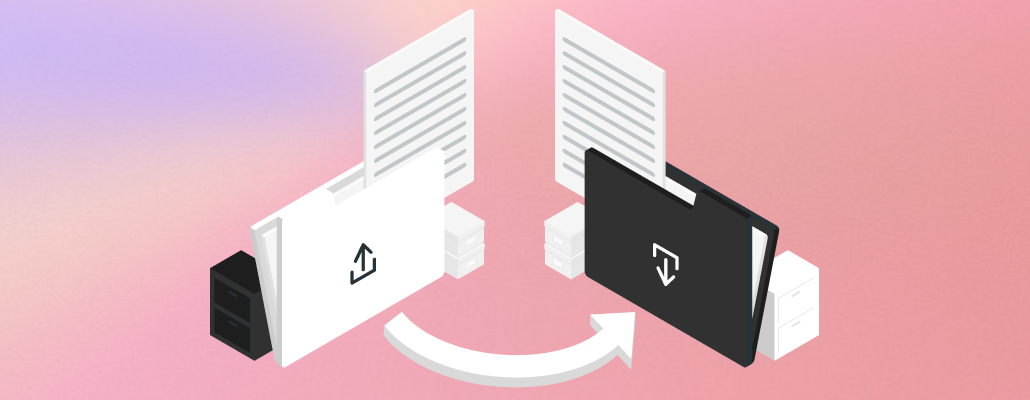
Automation can be applied to various stages of the data migration process, including:
Data Extraction
Automated tools can connect to various data sources, extract the necessary information, and prepare it for migration.
Data Transformation
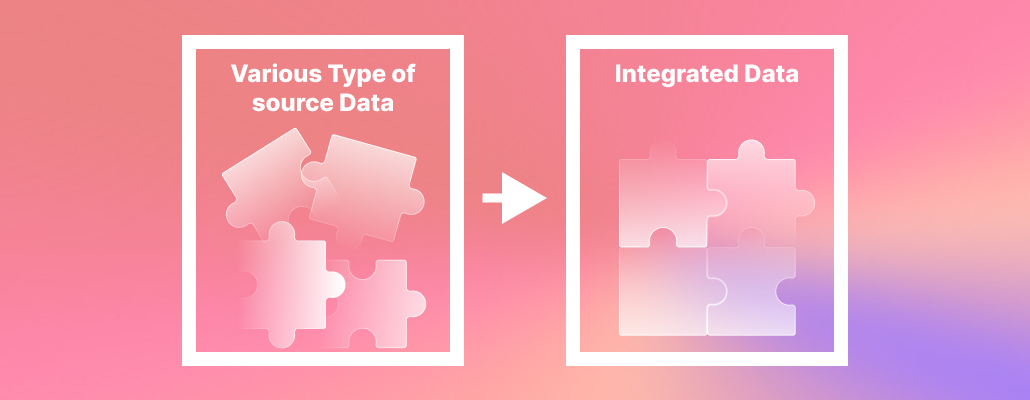
Automation can handle data cleaning, formatting, and mapping to ensure it seamlessly integrates with the target system.
Data Loading
Automated scripts can efficiently load the transformed data into the new system, minimizing downtime and ensuring data integrity.
Data Validation
Automation can verify the accuracy and completeness of migrated data, providing valuable insights for troubleshooting and ensuring a successful migration.
The Future of Data Migration with Automation
Just like technology keeps advancing, so does automation in data migration. Here's a glimpse into the future:
Smarter robots
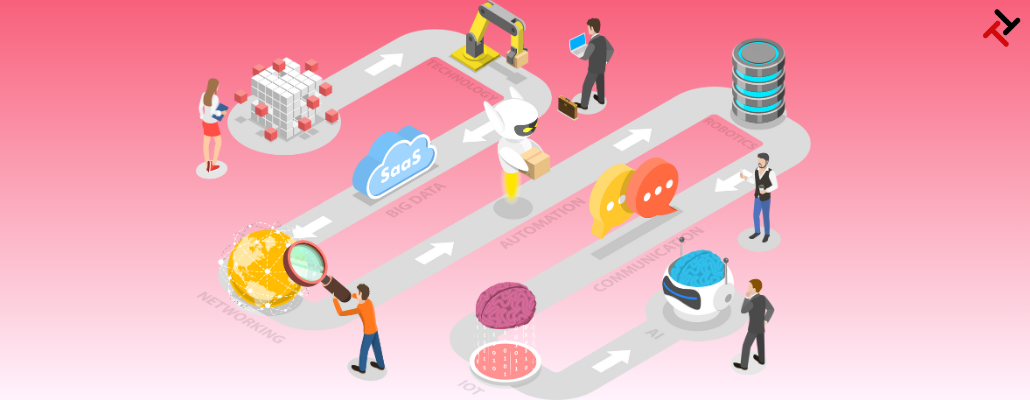
Imagine robots that learn from past migrations and become even more efficient. That's the power of Machine Learning, making data migration even smarter.
Self-fixing helpers
What if your robot helper could fix any minor issues during the move? That's the idea behind self-healing automation, making the process even smoother.
Moving to the cloud
Imagine having your robot helpers and data boxes stored online, ready to use whenever you need to migrate. Cloud-based automation makes it accessible and easy for everyone.
Conclusion
Automation in data migration doesn't have to be scary. You can move your information quickly, accurately, and for less money with automation. So, next time you need to transfer your data, let the robots handle the heavy lifting and enjoy a stress-free move.
FAQs
1. Is automation safe for my data?
As long as you choose a reputable tool and follow best practices, automation can be very safe. Remember, it's always good to back up your data before any migration, just in case.
2. Can I use automation for all data migrations?
While automation can handle most migrations, some complex situations might still require a human touch. Even in these scenarios, however, automation can still be a valuable tool to streamline parts of the process.
3. Where can I learn more about data migration and automation?
Many online resources and software providers offer information and tutorials on data migration and automation. Talk to an IT professional, it can also be helpful in understanding your specific needs and finding the best solution.