Custom eCommerce Development Trends for 2024 You Can’t Afford to Miss

The eCommerce landscape is evolving rapidly, and businesses that want to stay ahead must adapt to emerging trends. While many off-the-shelf platforms offer basic functionalities, custom eCommerce development provides unparalleled flexibility and competitive advantage. Here are some custom e-commerce development trends to consider for your 2024 development project:
1. Hyper-Personalization
Leverage AI and Machine Learning. Utilize these technologies to analyze customer data and deliver tailored product recommendations, pricing, and content. Adjust prices based on factors like customer behavior, inventory levels, and competition. Offer highly relevant product suggestions based on individual preferences and purchase history.
2. Omnichannel Experience
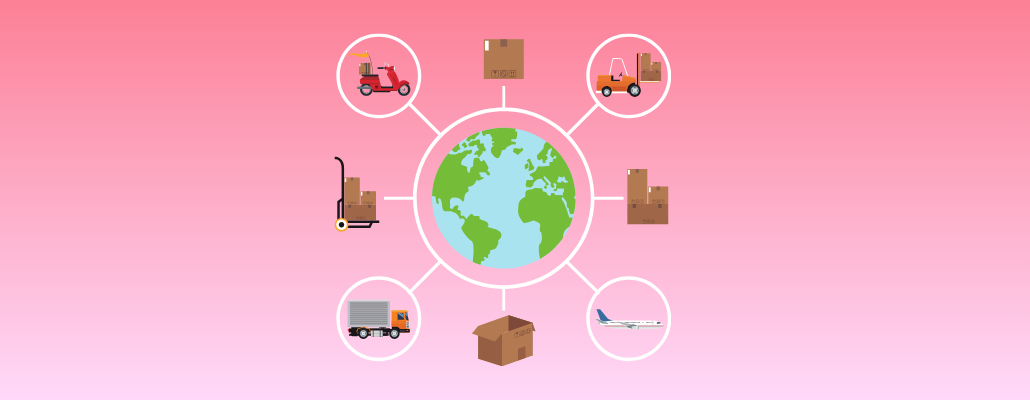
Ensure unified customer journey. Ensure a seamless shopping experience across all channels (website, mobile app, social media, physical stores). Make sure to maintain real-time inventory visibility across all channels to prevent stockouts and overstocks. Also offer various fulfillment options like buy online, pick up in-store (BOPIS), ship from store, and curbside pickup.
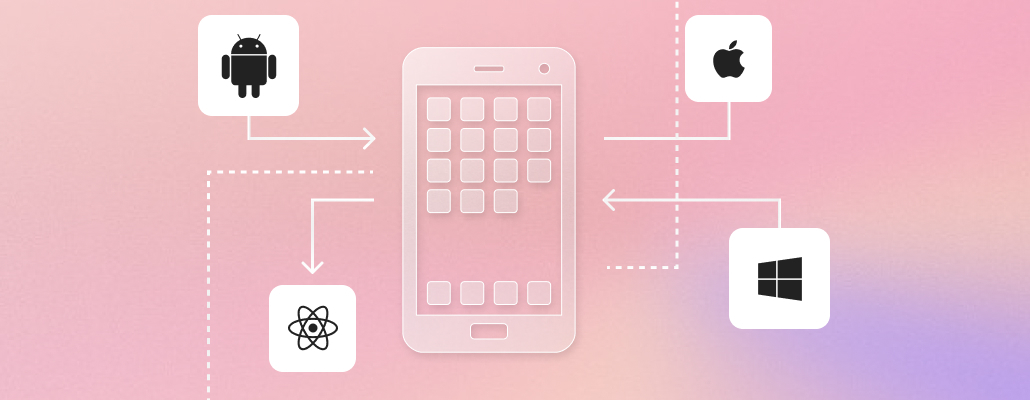
3. Mobile-First Design
Think of responsive and adaptive design. Create websites and apps that automatically adjust to different screen sizes. Optimized User Experience. Ensure fast loading times, easy navigation, and intuitive interfaces for mobile users. Ensure mobile payments. Integrate popular mobile payment options like Apple Pay, Google Pay, and mobile wallets.
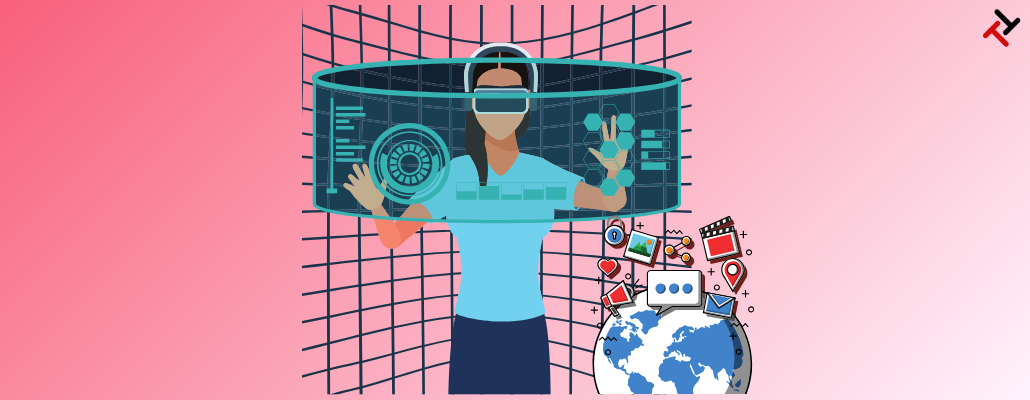
4. Augmented Reality (AR) and Virtual Reality (VR)
Allow customers to virtually try on products or see how items would look in their space. Things are changing, think of interactive shopping experiences. Create immersive shopping environments that engage customers and drive sales. Use AR and VR to provide product information and tutorials.
5. Headless Commerce
Make it flexible and scalable. Decouple the frontend from the backend, allowing for faster updates and integrations. Deliver consistent experiences across multiple touchpoints. Optimize website speed and scalability.
6. Voice Commerce
Make voice-enabled search a reality. Optimize product descriptions and categories for voice search. Integrate with popular voice assistants like Amazon Alexa and Google Assistant. Enable customers to order products through voice commands.
7. Subscription Models
Create subscription-based offerings to generate predictable income and have recurring revenue.
Consider personalized subscriptions. Offer tailored subscription boxes based on customer preferences. Build strong customer relationships through subscription programs and your customers will be loyal to you.
8. Sustainability and Ethical Commerce
Showcase your commitment to ethical sourcing and production through transparent supply chains. Reduce environmental impact by using sustainable packaging materials that are eco friendly. Implement strategies to minimize your carbon footprint.
9. Blockchain Technology
Supply chain transparency. Use blockchain to track product origins and ensure authenticity.
Ensure secure payments. Enhance payment security with blockchain-based encryption. Automate contract execution and reduce paperwork.
10. Data Security and Privacy
Adhere to data protection regulations like GDPR and CCPA. Protect customer payment information with robust encryption. Clearly communicate how customer data is collected, used, and protected.
Conclusion
By incorporating these trends into your custom eCommerce development project, you can create a powerful online store that stands out from the competition and delivers exceptional customer experiences.
FAQs
1. What are advanced payment solutions in eCommerce?
Advanced payment solutions include digital wallets, cryptocurrencies, and Buy Now, Pay Later (BNPL) options. These solutions provide customers with flexible, secure, and convenient ways to pay, enhancing the overall shopping experience and reducing cart abandonment rates.
2. How is mobile commerce changing eCommerce?
Mobile commerce is changing eCommerce by increasing the number of consumers shopping via their smartphones. Businesses are optimizing their websites and apps for mobile-first experiences, offering features like one-click purchasing, mobile wallets, and app-based loyalty programs to cater to this growing trend.
3. What are subscription-based eCommerce models?
Subscription-based eCommerce models involve customers subscribing to receive products or services regularly. These models offer steady revenue streams for businesses and foster customer loyalty. Examples include subscription boxes, streaming services, and meal kit deliveries.
4. How is blockchain technology used in eCommerce?
Blockchain technology is used to enhance security and transparency in eCommerce. It provides a decentralized and tamper-proof system for transactions, helping to prevent fraud, ensure data integrity, and manage supply chains transparently.
5. What should businesses consider when implementing these trends?
Businesses should consider their target audience, budget, and specific needs when implementing these trends. It's also important to stay updated with technological advancements and customer preferences to effectively leverage these trends for growth and success in the competitive eCommerce market.