The Role of Cross-Platform Integration in Modern Business
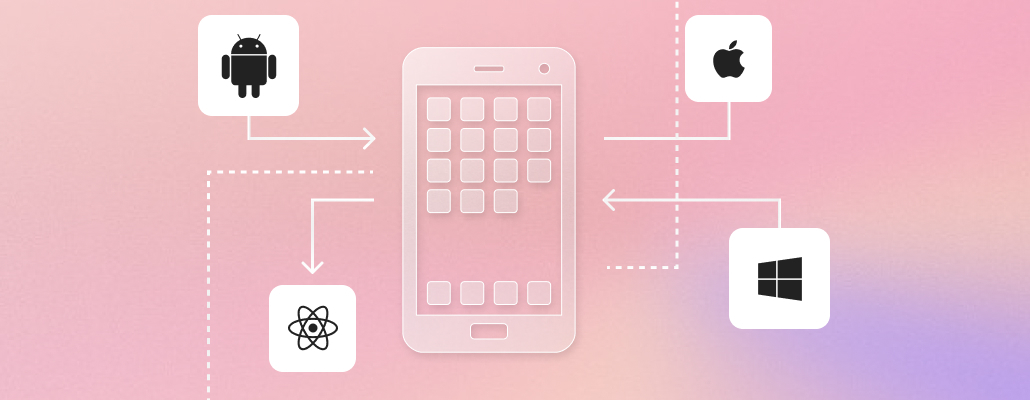
Cross-platform integration is pivotal in modern business by facilitating seamless communication, enhancing efficiency, and driving overall growth. Integrating these disparate elements is crucial for maintaining a competitive edge in an era where companies operate across various channels, devices, and platforms. This integration goes beyond mere technological compatibility; it encompasses the convergence of data, processes, and user experiences across different platforms. In this article, we will explore the multifaceted role of cross-platform integration in shaping the landscape of contemporary business.
Streamline of communication:
One of the primary advantages of cross-platform integration lies in streamlining communication. Businesses often utilize various communication tools like email, messaging apps, and collaboration platforms. Without proper integration, these tools can lead to siloed communication, where vital information is scattered and may be overlooked. Cross-platform integration enables a unified communication ecosystem, allowing seamless information flow across various channels. This improves internal collaboration and enhances the organization's responsiveness to external stakeholders.
Efficiency:
Efficiency is another critical area where cross-platform integration proves invaluable. Many businesses use software applications for different purposes, such as customer relationship management (CRM), project management, and financial tracking. Integrating these systems eliminates the need for manual data entry and reduces the risk of errors. For example, a sales team can seamlessly transfer customer data from the CRM system to the invoicing software, streamlining the order fulfillment process. This efficiency not only saves time but also enhances the accuracy and reliability of data, leading to better decision-making.
Unified view of data:
Moreover, cross-platform integration is pivotal in providing a unified view of data. Businesses accumulate vast amounts of data from various sources, including online transactions, social media interactions, and customer feedback. Integrating these data sources provides a comprehensive understanding of customer behavior, market trends, and overall business performance. This holistic view empowers organizations to make data-driven decisions and adapt swiftly to changing market dynamics.
Customer experience:
Customer experience is a critical differentiator in the modern business landscape. Consumers interact with businesses through multiple touchpoints, such as websites, mobile apps, and social media. Cross-platform integration ensures a consistent and cohesive customer experience across these channels. For instance, a customer who starts interacting on a mobile app should have a seamless experience when transitioning to the website. This integration fosters customer loyalty and satisfaction by eliminating friction points in the user journey.
Omnichannel retail experience:
In the realm of e-commerce, cross-platform integration is instrumental in creating an omnichannel retail experience. Consumers expect to move effortlessly between online and offline channels, and businesses that can seamlessly integrate their brick-and-mortar stores with their online platforms gain a significant competitive advantage. This integration allows customers to browse products online, make purchases in-store, and track their orders seamlessly. The result is a harmonized shopping experience that caters to the diverse preferences of modern consumers.
Security and data privacy:
Security and data privacy are paramount concerns in today's business environment. Cross-platform integration requires careful data protection to safeguard sensitive information across various systems. Businesses must implement robust security measures, such as encryption and access controls, to mitigate the risks associated with integrated platforms. Additionally, compliance with data protection regulations, such as GDPR or HIPAA, becomes more manageable with a well-executed cross-platform integration strategy.
Conclusion:
In conclusion, the role of cross-platform integration in modern business cannot be overstated. It is the linchpin connecting disparate systems, enabling efficient communication, streamlined processes, and a unified data view. Companies that embrace cross-platform integration gain a competitive edge by delivering a seamless customer experience, improving operational efficiency, and staying agile in the face of technological advancements. As the business landscape continues to evolve, the ability to integrate and adapt across platforms will remain a critical factor for sustained growth, competitiveness, and innovation. Visit tangent blogs for more latest articles and updates related cross platform integrations.