E-commerce Integration: Enhancing the Online Shopping Experience
In the fast-paced world of online shopping, businesses continually strive to provide a seamless and enjoyable experience for their customers. One key strategy that has proven to be effective is the integration of various elements within the e-commerce platform. However, this involves combining different technologies and functionalities to create a more cohesive and user-friendly online shopping experience.
What is E-commerce Integration?
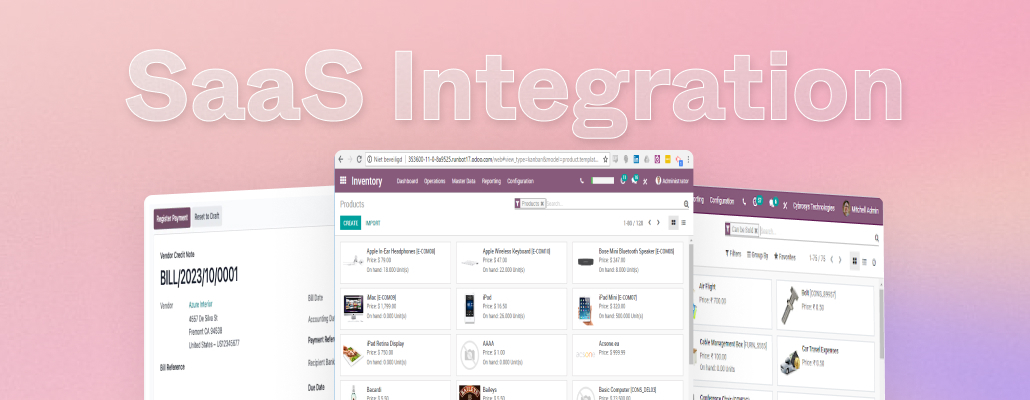
E-commerce integration refers to the process of connecting and coordinating different software applications and systems within an online shopping platform. This can include integrating the website with inventory management systems, payment gateways, shipping services, customer relationship management (CRM) tools, and more. Hence, the goal is to streamline the entire e-commerce operation, making it more efficient and user-friendly. E-commerce integration involves connecting additional software and systems to work seamlessly within your online store. This can include linking your website with inventory management, payment processing, shipping services, and customer support tools. The aim is to create a well-coordinated and automated online shopping experience for both businesses and customers.
Benefits of E-commerce Integration:
Streamlined Operations:
Integration eliminates manual tasks and reduces errors by automating processes. However, this leads to a more streamlined and efficient operation, from order placement to fulfillment.
Real-time Inventory Management:
Integrating inventory systems with the e-commerce platform allows for real-time product availability tracking. Hence, this helps prevent overselling and ensures accurate stock levels.
Smooth Payment Processing:
Integration with secure payment gateways ensures a smooth and fast payment process. Hence, this enhances customer trust and confidence, leading to increased sales.
Personalized Customer Experience:
CRM integration enables businesses to gather and analyze customer data. However, this data can be used to provide personalized recommendations, promotions, and a tailored shopping experience.
Efficient Order Fulfillment:
Integration with shipping and logistics services ensures timely and accurate order fulfillment. However, customers receive real-time updates on their order status, fostering satisfaction and loyalty.
Multi-channel Selling:
Integration allows businesses to expand their reach by selling on multiple platforms seamlessly. However, this could include social media, marketplaces, and other online channels.
How E-commerce Integration Enhances the Shopping Experience:
Faster and Smoother Transactions:
Integration reduces the steps required to complete a purchase, leading to faster and smoother transactions. Hence, this is crucial for providing a positive shopping experience.
Accurate Product Information:
Integrated systems ensure that product information, such as pricing and availability, is always up-to-date. Hence, this accuracy builds trust with customers and reduces the likelihood of misunderstandings.
Consistent Brand Experience:
Integration helps maintain a consistent brand experience across various touchpoints. Whether a customer interacts with the website, mobile app, or social media, the integrated systems provide a unified brand image.
Adaptability to Market Changes:
E-commerce integration allows businesses to adapt quickly to market changes. Whether it's updating prices, launching new products, or adjusting marketing strategies, an integrated system provides the flexibility needed to stay competitive.
Improved Customer Service:
Integration enables better customer service by providing a 360-degree view of customer interactions. However, this allows businesses to effectively address customer queries and issues, contributing to overall satisfaction.
Conclusion:
In conclusion, e-commerce integration is a powerful tool for enhancing the online shopping experience. By connecting various systems and automating processes, businesses can create a more efficient, personalized, and enjoyable journey for their customers, ultimately driving increased sales and fostering brand loyalty. E-commerce integration is a strategic move for any online business looking to thrive. Additionally, by connecting and automating different aspects of your operation, you improve your internal processes and elevate the overall online shopping experience for your customers. However, this, in turn, can lead to increased customer satisfaction, loyalty, and, ultimately, business growth.
Visit tangent blogs for more tech blogs.