Top 11 Software Development Trends (2025 & 2026)
The tech scene is shifting fast, and your team just asked the big question:
“What comes next in software development trends in 2026?” The answer isn’t one-word hype. It’s about powerful shifts shaping how we build, deploy, and scale software.
From AI-fueling code to secure DevOps, immersive experiences, sustainable practices, and beyond, 2025 and 2026 are poised to rewrite the rules. If you can ride these waves now, you won’t just build software—you’ll lead markets.
Let’s walk through the top 11 software development trends in 2025 that will also define 2026.
11 Biggest Software Development Trends in 2025 and 2026
Here, we see top software development trends in 2025 and software development trends in 2026 that can future-proof your skills.
1. AI-Powered Coding
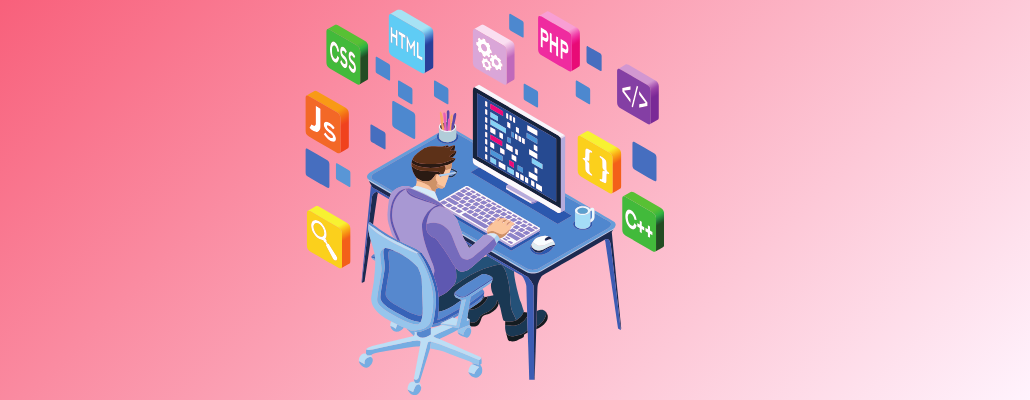
AI is no longer just a fancy buzzword, it’s the co-pilot every coder dreams of. Imagine your code writing itself while you sip coffee and brainstorm the next big thing. Bugs get zapped before you even notice them, and smart suggestions pop up like magic. The future? Developers and AI, side by side, crushing deadlines like pros.
-
Speeds coding by 3x
-
Auto-fixes bugs
-
Offers genius code suggestions
-
Turns dev grind into smooth flow
2. Low-Code & No-Code Platforms
Who said building apps is only for hardcore coders? Low-code and no-code platforms let you build sleek apps by just dragging, dropping, and clicking. No sweat, no headache—just pure speed. Non-tech founders are the new rockstars, turning ideas into apps faster than ever before.
-
Zero coding skills needed
-
Launch MVPs in days
-
Slashes development costs
-
Empowers anyone to build apps
3. Quantum Computing in Development
Quantum computing is like putting your code on rocket fuel—it handles impossible calculations at mind-blowing speeds. This tech will turbocharge AI, encrypt data like a vault, and solve problems classic computers wouldn’t dare touch. Soon, quantum won’t be sci-fi—it’ll be your daily secret weapon.
-
Crunches huge data instantly
-
Powers AI leaps
-
Secures data with quantum encryption
-
Solves complex problems fast
4. Cybersecurity-Driven Development
Forget patching holes after the ship’s sailed. Security-first development means building apps with armor on from day one. Hackers beware—your code is locked down tight, scanning for threats in real-time. Peace of mind? Check. User trust? Double check.
-
Real-time vulnerability scanning
-
Zero trust security models
-
Automated threat detection
-
Minimizes breach risks
5. Cloud-Native Development
Gone are the days of bulky servers and slow rollouts. Cloud-native means your app lives and breathes in the cloud, ready to scale on demand. Need to expand overnight? No problem. Deploy globally with zero sweat and pay only for what you actually use.
-
Scales instantly
-
Faster deployments worldwide
-
Cost-efficient pay-as-you-go
-
Flexible infrastructure
6. DevSecOps Integration
DevSecOps is like security’s ultimate glow-up. It merges development, security, and operations into one seamless pipeline. Every code push gets a security checkup before going live—no exceptions. Result? Safer apps, faster releases, and way fewer headaches.
-
Security built into every step
-
Fewer emergency patches
-
Automated compliance
-
Smooth, secure workflows
7. Edge Computing
Why wait for data to travel across continents? Edge computing processes data right where it’s generated—near the user or device. That means ultra-low latency, faster responses, and no sweat in low-network zones. Perfect for IoT and real-time apps that can’t afford to lag.
-
Lightning-fast data processing
-
Works offline or on weak networks
-
Optimized for IoT devices
-
Cuts bandwidth costs
8. AR/VR Integration
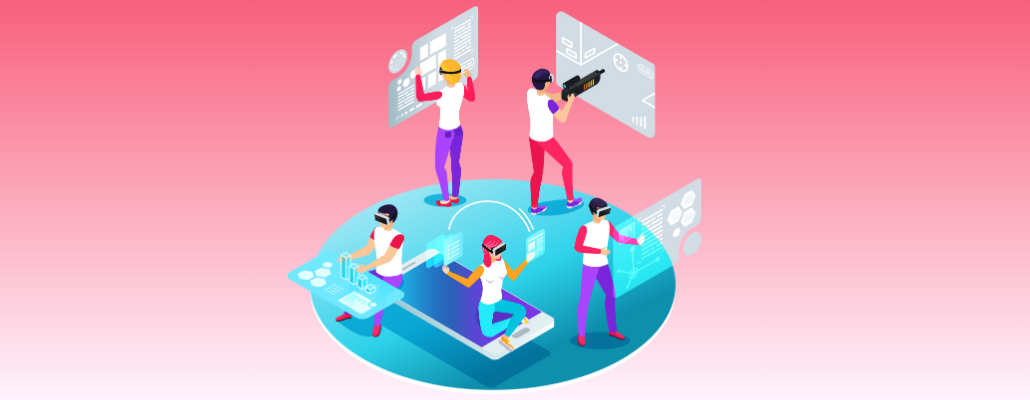
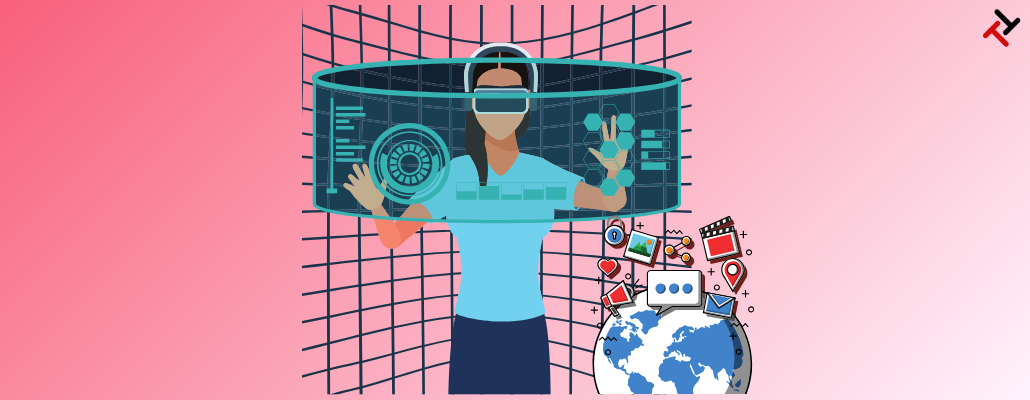
Step into the future where apps aren’t just screens but entire worlds. AR and VR blend reality with digital magic, making shopping, training, and gaming insanely immersive. This isn’t just flashy tech—it’s transforming how users experience brands.
-
Virtual try-ons and demos
-
Engaging interactive learning
-
Game-like user journeys
-
Drives brand loyalty and fun
9. Green Software Development
Coding can save the planet—yes, really! Green software means writing energy-efficient code that burns less power but delivers big results. It’s a win for companies wanting to cut costs and hit sustainability goals without sacrificing performance.
-
Energy-saving coding techniques
-
Efficient cloud resource use
-
Lower carbon footprints
-
Supports eco-friendly initiatives
10. Blockchain for Security
Blockchain isn’t just crypto hype anymore—it’s the fortress for your data. Decentralized, tamper-proof, and transparent, it keeps info locked tight and fraud far away. Businesses will lean on blockchain to boost security and trust like never before.
-
Decentralized data control
-
Immutable, transparent records
-
Strong identity verification
-
Stops fraud dead in its tracks
11. Continuous Deployment & Testing
No more waiting months for updates or sweating bugs after launch. Continuous deployment pushes features and fixes in real-time, while automated testing catches issues before users do. Your software stays fresh, fast, and flawless—always.
-
Rapid feature rollouts
-
Automated bug detection
-
Smooth, stable releases
-
Keeps users happy and engaged
Why These Software Development Trends in 2025 & 2026 will Rule?
We aren’t watching isolated shifts; we’re seeing a transformation across every layer of software:
-
AI is not an add-on. It’s the dev team’s new teammate.
-
Developer platforms scale speed from the inside out.
-
Sustainability and immune systems protect reliability and user trust.
-
Immersive interfaces and behavior-driven flows redefine user expectations.
-
Cloud and edge computing evolutions let your product scale instantly.
These trends aren’t optional. They define survival and success. Its the era of AI. Ride the wave now, or get swept over.
Tangent Technologies: Helping You Lead the Curve
At Tangent Technologies, we don’t just follow trends, we build with them. From AI-integrated dev cycles to PWAs, secure supply chains, cloud-native stacks, and immersive UX—we turn software development trends in 2025 into business acceleration.
Let’s move your vision from the roadmap to reality.
FAQs
1. What are the key software development trends in 2026?
The biggest trends include AI-powered coding, cloud-native development, cybersecurity-driven development, edge computing, and green software practices.
2. How does AI impact software development trends?
AI speeds up coding, automates bug fixes, and offers smart suggestions, making developers more efficient and cutting down delivery times.
3. Why is cybersecurity more important in current development trends?
Security is integrated from day one with real-time threat detection and zero-trust models, protecting users and companies from increasing cyber risks.
4. What benefits do cloud-native and edge computing bring?
They allow apps to scale instantly, reduce latency by processing data close to users, and save costs with pay-as-you-go models.
5. How is green software development shaping the future?
It focuses on energy-efficient coding and cloud use, helping companies reduce carbon footprints while maintaining high performance.