Choosing the Right Third-Party Integration Platform for Your Business
In the emerging world of modern business, leveraging third-party integration platforms has become vital for organizations seeking to optimize their operations and enhance overall efficiency. Hence, selecting the correct integration platform is critical to everything from data management to customer experiences. Here are vital considerations to help guide your decision-making process.
Compatibility with Existing Systems:
Before choosing a third-party integration platform, assess the compatibility with your existing systems. However, a robust integration platform should seamlessly connect with your current software applications, databases, and tools. Whether it's ERP, CRM, or marketing automation software, the chosen venue should be able to integrate with these systems to ensure smooth data flow across your entire business ecosystem.
Ease of Use and User Interface:
The usability of an integration platform is crucial for successful implementation. Look for a venue with an intuitive user interface that simplifies integration. However, a user-friendly platform reduces the learning curve for your team and facilitates quicker and more efficient onboarding of new integrations.
Scalability and Flexibility:
Choose an integration platform that can scale with your business. You may need to integrate additional applications or services as your organization grows. However, the selected platform should offer the flexibility to adapt to evolving business requirements, supporting both current and future integration needs.
Supported Integration Types:
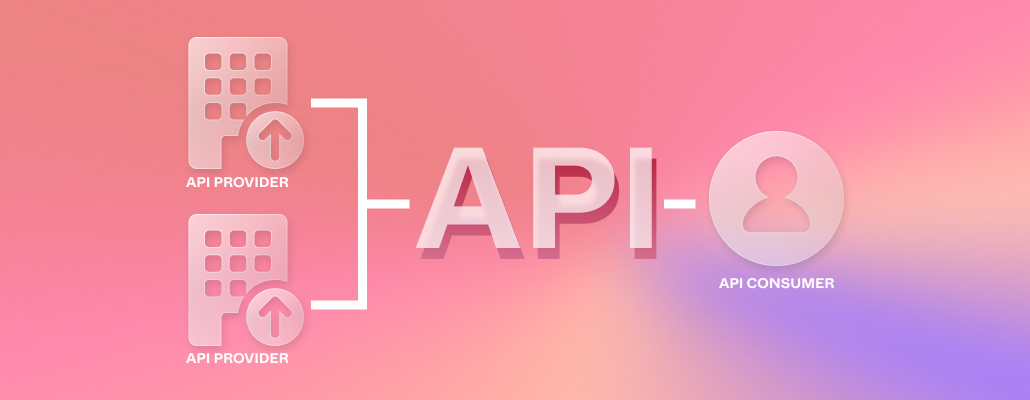
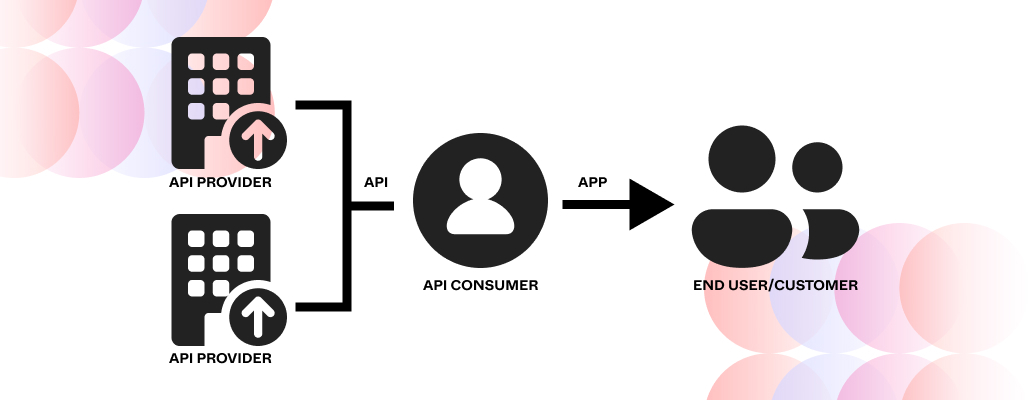
Consider the types of integrations the platform supports. Whether it's API-based, file-based, or real-time data synchronization, the chosen venue should accommodate various integration types. However, this flexibility ensures that you can connect different systems to align with your specific business processes and goals.
Security Features:
Security is paramount when integrating systems that handle sensitive data. Assess the security features of the integration platform, including data encryption, user authentication, and access controls. Hence, compliance with industry regulations and data protection standards should also be a key consideration to ensure the security and privacy of your business data.
Customization Capabilities:
Every business has unique processes and workflows. A robust integration platform should offer customization capabilities to tailor integrations according to your specific requirements. Hence, look for a platform that allows you to configure workflows, map data fields, and adapt the integration to the nuances of your business operations.
Reliability and Performance:
Evaluate the reliability and performance of the integration platform. However, downtime and delays in data synchronization can have significant consequences for your business. Hence, choose a platform with a proven track record of stability and performance, and consider the availability of support and service-level agreements to address any issues promptly.
Cost Considerations:
Understand the pricing structure of the integration platform and how it aligns with your budget. Some venues charge based on usage, while others may have a fixed subscription fee. However, consider the total cost of ownership, including implementation, maintenance, and potential scalability costs. Hence, ensure the pricing model is transparent and provides value for your business needs.
Community and Support:
A vibrant user community and robust customer support are valuable assets when selecting an integration platform. However, a community can provide insights, best practices, and solutions to common challenges. Additionally, responsive customer support is essential for addressing any issues promptly and ensuring a smooth integration experience.
Future-Proofing:
Anticipate future needs and technological advancements when choosing an integration platform. Ensure that the platform is designed to adapt to emerging technologies and industry trends. However, the ability to easily integrate new applications and services and stay up-to-date with evolving standards will contribute to the long-term success of your integration strategy.
Conclusion:
In conclusion, selecting the right third-party integration platform requires a thorough assessment of compatibility, usability, scalability, security, customization, reliability, cost, community support, and future-proofing. However, by carefully considering these factors, businesses can make informed decisions that align with their unique requirements and set the foundation for a connected and efficient digital ecosystem. Visit tangent blogs for more updates and blogs related to development and design.