Cloud Integration Strategies for Scalability and Flexibility

Cloud integration strategies are essential for businesses looking to enhance scalability and flexibility in their operations. However, in straightforward terms, these strategies combine different cloud-based services and tools to make business processes more efficient and adaptable to changing needs. Let's explore cloud integration, its benefits, and its strategy in easy and simple words.
1. Understanding Cloud Integration:
Cloud integration is like weaving together different technological threads in the digital space. Hence, it involves connecting various software applications, services, and platforms that are hosted in the cloud. However, this seamless connection allows them to work together as a unified system.
2. Why is Cloud Integration Important?
Scalability:
Businesses can quickly scale their operations up or down based on demand. However, the cloud allows quick and flexible adjustments if more resources are needed.
Flexibility:
Cloud integration enables businesses to adapt swiftly to technological changes, market conditions, or customer demands.
Cost-Efficiency:
Instead of investing in and maintaining extensive on-premises infrastructure, businesses can leverage the cloud, paying for resources as they use them.
3. Strategies for Cloud Integration:
a. Application Programming Interfaces (APIs):
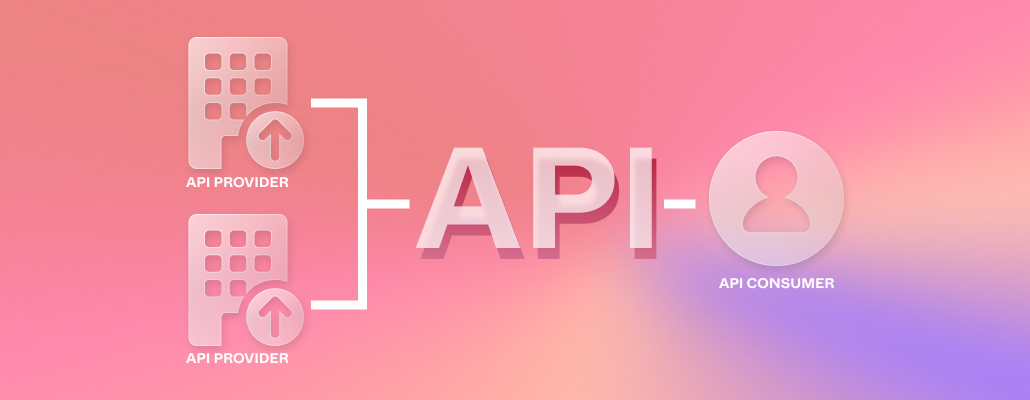
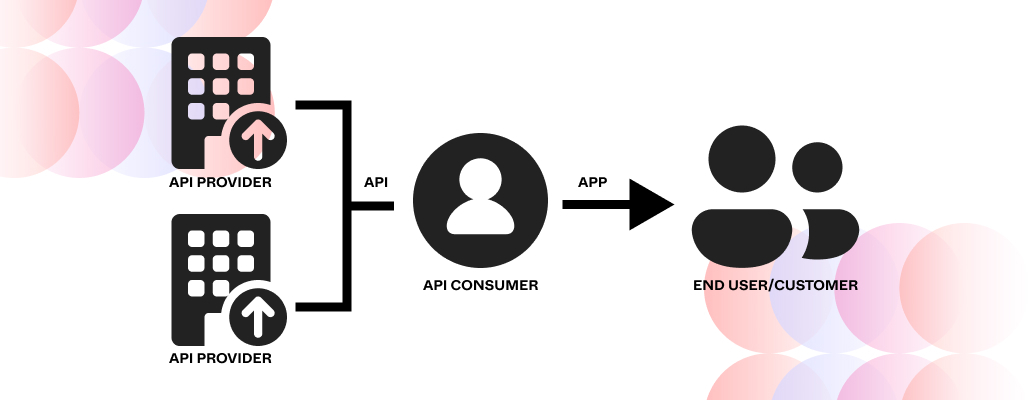
- APIs act as connectors, allowing different software applications to communicate with each other. However, it's like a universal translator that lets diverse systems understand and work with one another.
b. Data Integration:
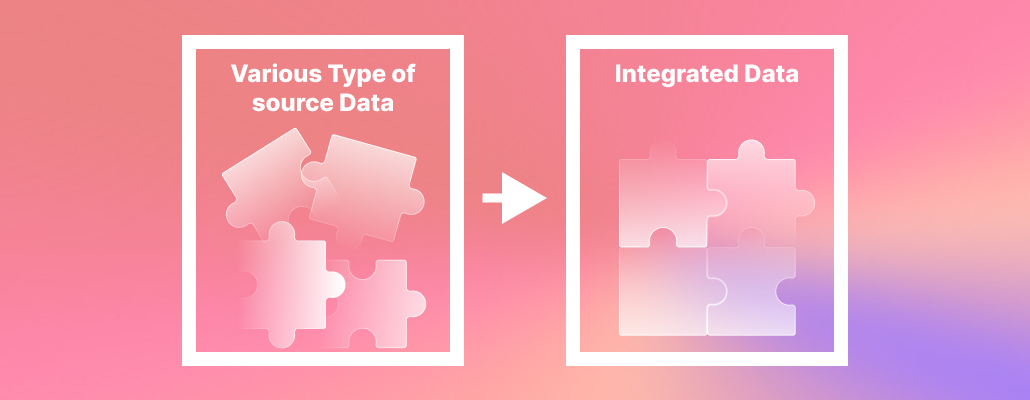
- This involves combining and synchronizing data from various sources. For example, customer information from a CRM system can be integrated with an email marketing platform for more personalized communication.
c. Multi-Cloud Integration:
- Businesses can use multiple cloud services instead of relying on a single cloud provider. However, this strategy offers redundancy, avoids vendor lock-in, and allows organizations to choose the best services for specific needs.
d. Hybrid Cloud Integration:
- This approach combines on-premises infrastructure with cloud services. Hence, it offers a balance between the control of on-premises systems and the scalability of the cloud.
e. Real-time Integration:
- Businesses can benefit from real-time data synchronization. For example, inventory levels in an e-commerce system can be instantly updated when a product is sold, preventing over-selling.
f. Business Process Integration:
- Streamlining entire workflows is crucial. However, cloud integration allows seamless data flow and processes across different departments and systems.
4. Benefits of Cloud Integration:
Efficiency Gains:
Cloud integration streamlines processes, reducing manual efforts and minimizing errors. Hence, This efficiency translates to time and cost savings.
Scalability:
The cloud offers the ability to scale resources up or down, ensuring that businesses have the computing power they need precisely when they need it.
Improved Decision-Making:
Access to real-time, integrated data enables better decision-making. Hence, businesses can analyze comprehensive information for insights that drive strategic choices.
Enhanced Customer Experience:
With integrated systems, businesses can offer customers a more cohesive and personalized experience through e-commerce, customer support, or other touchpoints.
Real-World Example:
Imagine a retail business that uses cloud integration. However, when a customer purchases online, the e-commerce platform updates inventory levels in real-time, triggers a notification to the shipping department, and updates the customer's order status. Hence, all these processes seamlessly work together, enhancing the overall customer experience.
Conclusion:
Cloud integration is like building a digital ecosystem where different tools and systems collaborate effortlessly. However, it's about making technology work together seamlessly to empower businesses with scalability, flexibility, and efficiency. Hence, by adopting cloud integration strategies, companies can stay agile in a rapidly changing digital landscape, ensuring they can adapt and thrive in the face of evolving challenges and opportunities. Whether it's connecting applications, synchronizing data, or optimizing workflows, cloud integration is the key to unlocking the full potential of modern digital business operations. Keep visiting tangent blogs for more cloud integration based articles and information.