Advancements in Cybersecurity: Techniques for Securing Modern Applications in 2024

In the constantly evolving digital age, technology has enabled the world to bring in innovations, making many day-to-day tasks more manageable. Yet at the same time, it had also increased the threats of being caught into cyber threats. As we see technology has evolved so has cybercrime. Therefore advancements in cybersecurity have also become paramount. In 2024, software developers need to prioritize securing modern applications to mitigate any potential risking of valuable resources.
Artificial intelligence
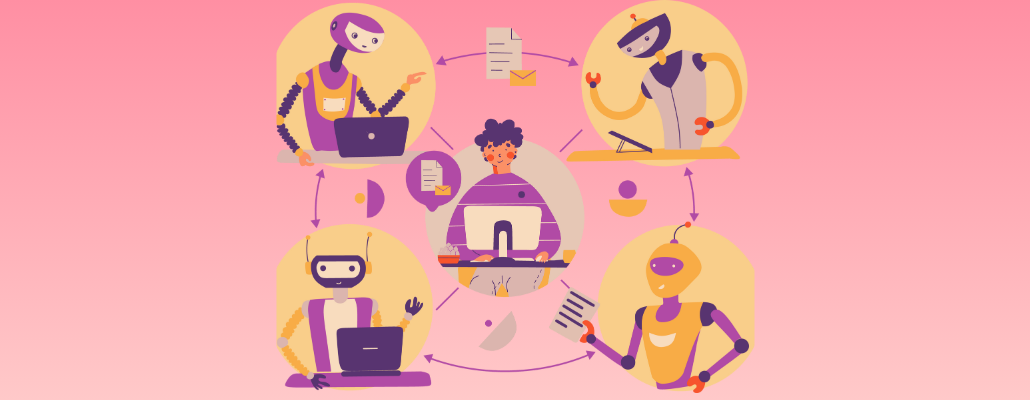
AI will transform our lives beyond our imaginations in coming years. When it comes to advancement in cybersecurity, AI will be becoming an alley in 2024. Acting as a guardian, it can enhance threat detection in no time. As AI can analyze vast amounts of data and is capable of picking on patterns, that might predict a cyberattack and therefore timely intervention can prevent them from breaching your system.
AI can also automate response systems which means it can automatically block malicious traffic. As the process is automated it not only mitigates the damage but also reduces workload on security systems. Another important role AI is playing in securing modern applications is continuously scanning apps for any vulnerabilities and highlighting them before attackers exploit them.
Enhanced cloud security
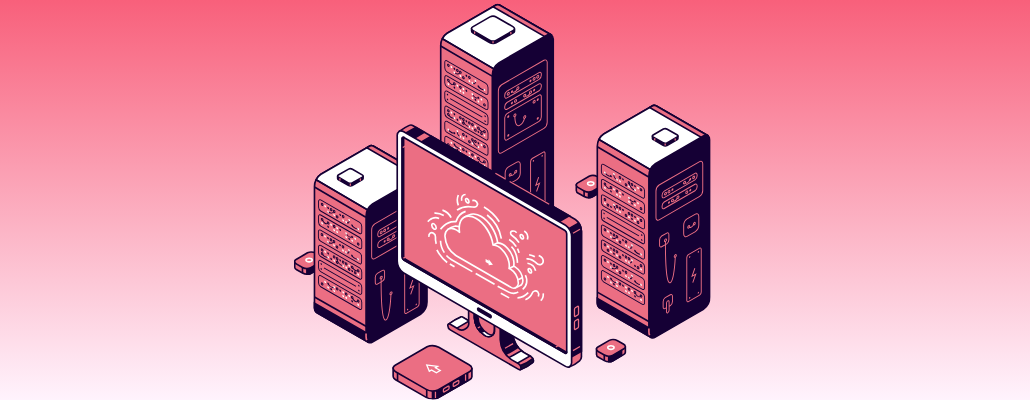
It is the word of cloud computing, and businesses are continuously transferring their data and applications to cloud platforms. While making it convenient, it has also imposed security threats. Security has become a top priority and it is only possible by a collaborative effort between cloud providers and cloud users.
Cloud providers are investing heavily in securing their data centers incorporating biometric authentication and video surveillance to protect from any physical threats. Cloud providers are also implementing robust firewalls, intrusion detection/prevention systems (IDS/IPS), and other network security tools to protect the underlying systems from cyberattacks.
Cloud users are also responsible for encrypting their data so that if an attacker is able to breach the cloud environment, the data remains inaccessible. Users need to implement strong IAM policies that define who can access their cloud resources and what they can do with them. This includes using multi-factor authentication (MFA) and enforcing the principle of least privilege (giving users only the access they need).
Internet of things
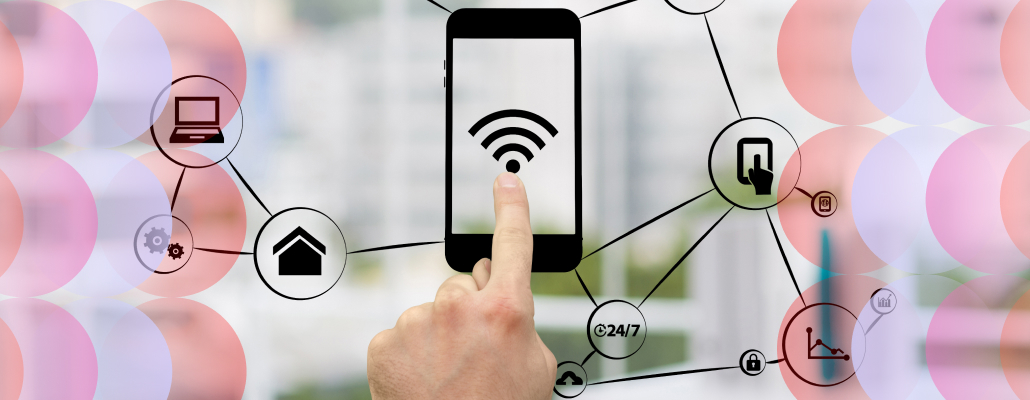
IoT is increasingly becoming popular and the number of IoT devices is exploding as well. This increasing number has also led to escalating malicious actors as well. Each device represents a potential entry point into a network. Many IoT devices are threatened by weak default security settings, outdated firmware, and limited patching capabilities, making them easy targets for exploitation.
Industry-wide efforts are taken to establish security standards and certification programs for IoT devices. This will help ensure a baseline level of security across the market.
Quantum cryptography
The world of cryptography is about to revolve. The arrival of functional quantum computers threatens to render our current encryption methods obsolete. This is where quantum-resistant cryptography steps in to protect our sensitive information in the quantum age.
Traditional encryption relies on complex mathematical problems that are difficult to crack for classical computers. However, quantum computers use the principles of quantum mechanics to solve these problems with incredible speed. This means the encryption keys safeguarding our data today could be easily broken by a powerful quantum computer tomorrow.
To counter this threat, researchers are developing new algorithms based on mathematical problems that are believed to be resistant to attacks by both classical and quantum computers.
Zero trust security
In 2024, the approach will be widely used as zero trust security. Unlike the old traditional systems where traditional security trusted everyone inside the fixed perimeters, zero trust security takes this concept upside down, since it's no longer efficient in protecting cybersecurity.
Traditional defenses struggle with the increasing number of users and devices accessing resources remotely. Zero Trust treats everyone, internal or external, with suspicion.
Core Principles of Zero Trust is don't trust anyone, always verify. Every access request, regardless of origin (inside or outside the network), is continuously authenticated. Users and devices are granted only the minimum level of access required to perform their tasks. This limits the damage an attacker can inflict if they gain access.
FAQs
1. How does AI help keep our apps secure?
AI helps keep our apps safe by analyzing data and looking for any pattern that might mean there's a security problem or something isn't right. When it spots something unusual, it alerts us so we can take action and fix it timely.
2. How can companies learn about the latest cybersecurity tricks?
Companies can learn about the latest cybersecurity tricks by staying updated with news and resources in cybersecurity. They can follow blogs, attend webinars, or join forums where experts share tips and information.
3. How can smaller businesses protect their apps without spending a lot?
First, they should make sure to keep their apps and software updated regularly, as updates often include fixes for security vulnerabilities. Encouraging employees to use strong, unique passwords can also greatly improve app security. Additionally, providing basic cybersecurity training to the team can help them recognize and avoid common threats like phishing emails.
4. What is the idea behind "zero-trust" security?
Trust nothing and verify everything. Unlike traditional security models that assume everything inside a network can be trusted, zero-trust security works on the principle that both external and internal threats exist.