10 Benefits of Custom Software For Small Business Success

In the competitive business world, you want to make your business succeed and the right software is what you are looking for. Off the shelf, one size fits all approach isn't helpful anymore and you are doubtful about the custom software for small business. While off-the-shelf software can be tempting due to its lower upfront cost, custom software tailored to your specific needs can offer you multiple benefits. Here are ten benefits of custom software for small businesses.
1. Enhanced Efficiency
Custom software is designed with your business processes in mind. This means automation of repetitive tasks, streamlined workflows, and reduced manual errors. By eliminating inefficiencies, you can boost productivity and save valuable time and resources.
2. Improved Customer Experience
Custom software allows you to create a personalized experience for your customers. From tailored marketing campaigns to efficient customer support, you can build stronger relationships and increase customer satisfaction.
3. Competitive Advantage
A unique software solution can set your business apart from competitors. By offering innovative features and functionalities, you can gain a competitive edge and attract new customers.
4. Scalability
As your business grows, your software needs will evolve. Custom software can be easily scaled to accommodate increased demands, ensuring smooth growth and expansion.
5. Data Security
With custom software, you have greater control over data security. You can implement robust security measures to protect sensitive information and comply with industry regulations.
6. Integration
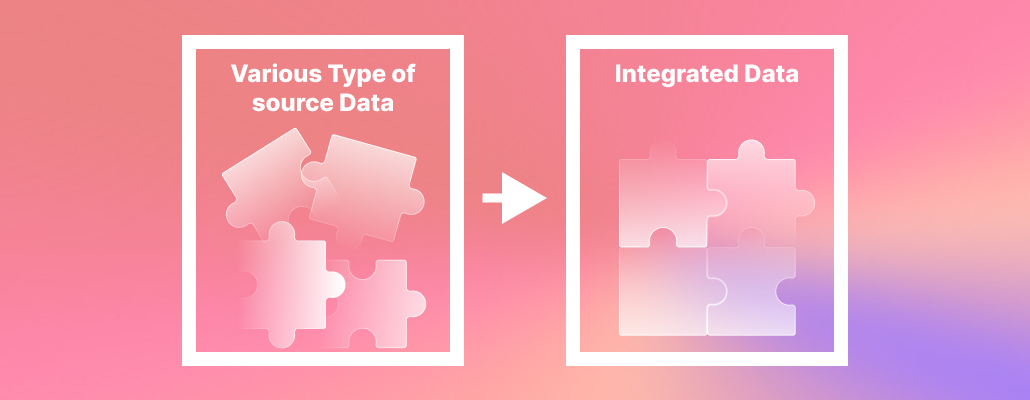
Custom software can seamlessly integrate with your existing systems, such as your accounting software, CRM, or e-commerce platform. This improves data flow and reduces the risk of errors.
7. Return on Investment (ROI)
While the initial investment in custom software may be higher than off-the-shelf options, the long-term benefits often outweigh the costs. Increased efficiency, improved customer satisfaction, and competitive advantage can lead to a significant ROI.
8. Flexibility
Custom software can be adapted to changing business needs. You can modify and update the software as your requirements evolve without relying on external developers.
9. Customization
Tailor your software to match your brand identity and company culture. This creates a consistent look and feel across all departments and platforms.
10. Long-Term Cost Savings
While the upfront costs may be higher, custom software can lead to significant cost savings in the long run. By automating tasks, reducing errors, and improving efficiency, you can lower operational expenses.
By investing in custom software for small business success can unlock their full potential and achieve sustainable growth. It's essential to partner with experienced software developers who understand your business goals and can deliver a solution that meets your specific needs.
Conclusion
As the business environments become more and more hostile it becomes critical to use the right tools to make the difference between success and mere survival. While many may consider custom software development an expensive proposition, the benefits it provides are undeniable and can act as the foundation of success for small businesses. The problem with ready-to-implement solutions is that they are not very effective in addressing the needs of your organization. As much as it may seem expensive to develop custom software, the potential returns on investment as the software runs in the long term are worth the cost. Not only does it help to achieve economies of scale, but it also helps to plan the growth of your business.
FAQs
1. Is custom software expensive?
While the initial investment in custom software is generally higher than off-the-shelf options, the long-term benefits, such as increased efficiency and productivity, often outweigh the costs.
2. How long does it take to develop custom software?
The development time depends on the complexity of the software. Smaller projects may take a few months, while larger projects can take a year or more.
3. How does custom software differ from off-the-shelf software?
Off-the-shelf software is a one-size-fits-all solution designed for a broad audience, often including features and functionalities that may not be relevant to your business. Custom software, on the other hand, is built specifically for your business, ensuring it aligns perfectly with your operations and goals.
4. How do I determine if my business needs custom software?
Assess your current software solutions and determine if they are meeting your business needs. Signs that you may need custom software include frequent workarounds, inefficiencies, lack of scalability, and the need for specific features that off-the-shelf software cannot provide.
5. What are the risks associated with custom software development?
While custom software offers many benefits, there are risks such as project delays, cost overruns, and potential technical challenges. These risks can be mitigated by choosing a reliable development partner, clearly defining project requirements, and maintaining open communication throughout the process.