IoT Integration: Connecting the Internet of Things to Your Operations
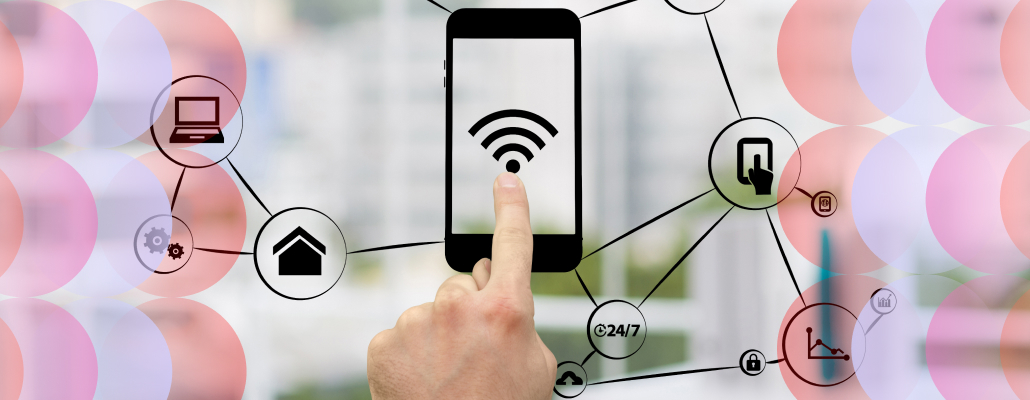
In the realm of modern technology, the Internet of Things (IoT) has become a buzzword, promising connectivity and efficiency. But what does it mean for businesses, and how can you seamlessly integrate IoT into your daily operations? However, Let's explore the basics of IoT integration in easy and simple terms.
Understanding the Internet of Things (IoT)
The Internet of Things refers to the network of physical devices, vehicles, appliances, and other objects embedded with sensors, software, and connectivity. However, these devices collect and exchange data over the internet, enabling them to communicate and make intelligent decisions. Hence, the goal is to create a more innovative and more interconnected world.
The Power of IoT Integration
1. Data Collection and Insights
IoT devices are equipped with sensors that gather data from the environment or the device itself. However, this could be temperature readings, usage patterns, or performance metrics. Hence, integrating IoT into your operations gives you access to a wealth of real-time data. For example, sensors on manufacturing equipment can provide insights into production efficiency and maintenance needs.
2. Automation and Efficiency
IoT integration allows for the automation of various tasks. Smart devices can communicate and trigger actions based on predefined conditions. However, IoT-connected lighting systems can adjust brightness based on natural light levels in a bright office, leading to energy savings and creating a more comfortable workspace.
3. Improved Decision-Making
Businesses can make more informed decisions with the influx of data from IoT devices. For instance, in agriculture, soil moisture sensors can provide data on the optimal time for irrigation. This data-driven decision-making enhances efficiency and resource utilization.
4. Enhanced Customer Experience
IoT can be utilized to create products and services that offer a more personalized experience. For example, IoT-connected beacons can send targeted promotions to customers' smartphones as they browse the store. Hence, this creates a more engaging and tailored shopping experience.
5. Predictive Maintenance
IoT integration enables predictive maintenance in industries like manufacturing and transportation. However, sensors on machinery can monitor performance and detect anomalies, allowing for proactive maintenance before a breakdown occurs. Hence, this helps in minimizing downtime and reducing maintenance costs.
Challenges and Solutions in IoT Integration
1. Data Security and Privacy
The vast amount of data generated by IoT devices raises concerns about security and privacy. However, robust encryption methods and secure communication protocols should be employed to address this. Additionally, businesses must adhere to data protection regulations and implement clear privacy policies.
2. Interoperability Issues
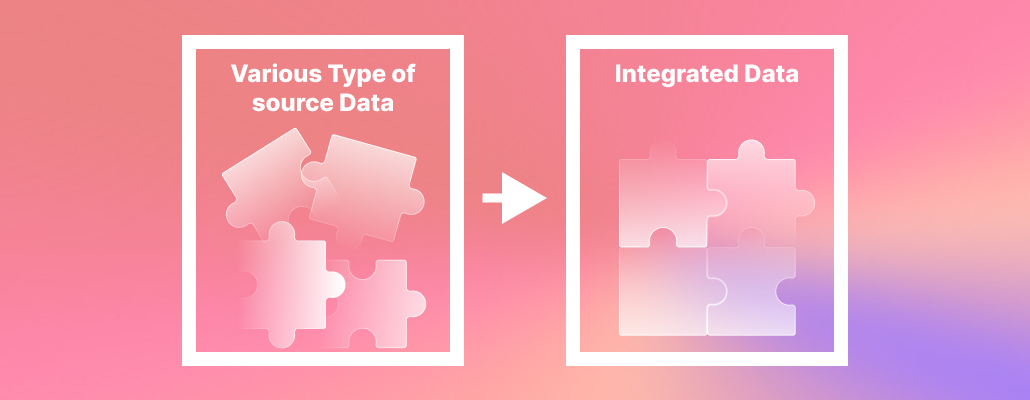
Different IoT devices may use other communication protocols and standards. However, interoperability challenges can be addressed by adopting standardized protocols and utilizing middleware solutions that act as translators between different devices.
3. Scalability
As your business grows, the number of connected devices may increase. However, ensuring that your IoT infrastructure is scalable allows you to seamlessly add more widgets without compromising performance. Hence, cloud-based solutions can be particularly useful in handling scalability.
Real-Life Examples of IoT Integration
1. Smart Home Automation
IoT devices like smart thermostats, lights, and security cameras can be integrated into a smart home to create a cohesive system. Hence, this allows homeowners to remotely control and monitor various aspects of their home, enhancing convenience and energy efficiency.
2. Industrial IoT (IIoT) in Manufacturing
Manufacturing plants can integrate IoT devices to monitor equipment performance, track inventory in real-time, and optimize production schedules. Hence, this leads to improved efficiency, reduced downtime, and better resource utilization.
Conclusion: The Future of IoT Integration
IoT integration is not just a technological trend; it's a transformative force that can revolutionize how businesses operate. By seamlessly connecting devices and harnessing the power of data, organizations can achieve unprecedented levels of efficiency, automation, and innovation. However, as technology advances, integrating IoT into daily operations will likely play a pivotal role in shaping the future of industries across the globe. Hence, embracing IoT integration now can position businesses at the forefront of this exciting technological evolution. Visit Tangent blogs for more updated and latest articles related to internet of things and integrations.