Agentic Workflows: How AI Agents are Automating the SDLC
You may think AI in development means just code completion and chatbots. However, AI agents in software development are revolutionizing the entire Software Development Life Cycle (SDLC). These autonomous systems handle complex workflows from requirements to deployment. Moreover, they're fundamentally changing what engineering teams do and how productivity is measured.
Let us be clear: AI agents in software development aren't replacing engineers. Instead, they're automating repetitive tasks while amplifying human capabilities. Therefore, understanding agentic workflows helps you prepare for the future of engineering teams.
We are writing this blog to help technical leaders understand how AI agents are transforming software development workflows.
Understanding AI Agents in Software Development
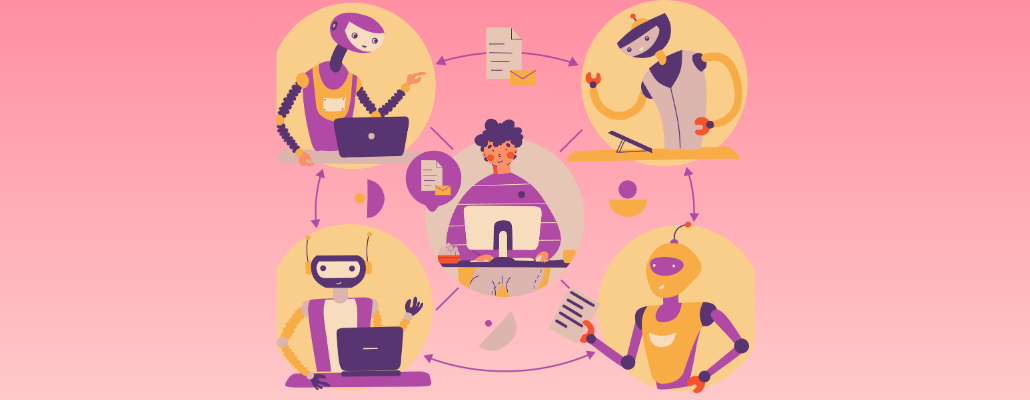
Before exploring impact, let's define AI agents clearly. AI agents in software development are autonomous systems that can plan, execute, and iterate on tasks with minimal human intervention. First, they understand context and requirements. Second, they break down complex tasks into steps.
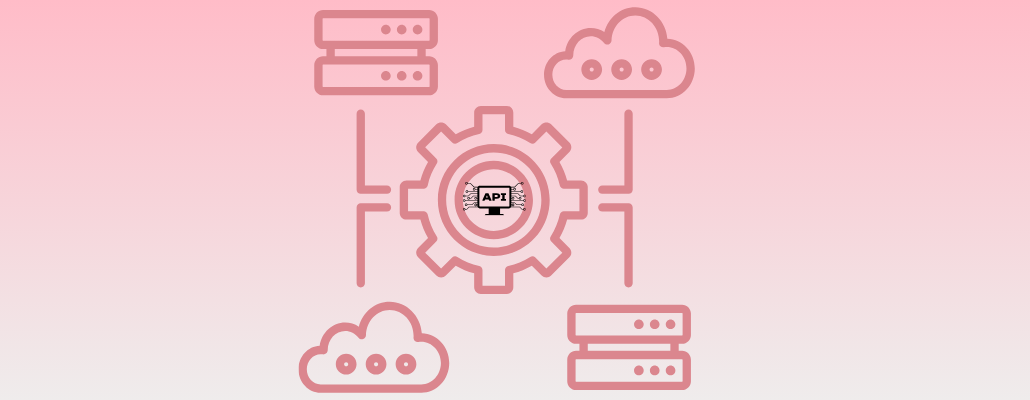
Moreover, AI agents use tools and APIs to accomplish goals. Additionally, they learn from outcomes and adjust approaches. Furthermore, they coordinate with other agents for complex workflows. Therefore, AI agents represent evolution beyond simple AI assistants. Consequently, they enable truly automated workflows across SDLC.
How AI Agents Transform Each SDLC Phase
Requirements Analysis and Planning
AI agents in software development start by analyzing requirements. First, they process documentation, user stories, and conversations. Second, they identify ambiguities and inconsistencies.
Moreover, agents generate clarifying questions automatically. Additionally, they create detailed technical specifications from high-level descriptions. Furthermore, they estimate complexity and suggest implementation approaches. Therefore, requirements phase becomes faster and more thorough.
Design and Architecture
Autonomous agents assist architectural decisions. First, they analyze system requirements and constraints. Second, they propose architectural patterns matching needs.
Moreover, AI agents in software development generate design documents and diagrams. Additionally, they identify potential scalability and security issues early. Therefore, design phase benefits from AI-powered analysis.
Code Generation and Implementation
This is where AI agents shine most visibly. First, they generate complete features from specifications. Second, they write tests alongside implementation code.
Moreover, agents refactor existing code for improvements. Additionally, they handle boilerplate and repetitive coding tasks. Furthermore, they maintain consistent code style automatically. Therefore, development velocity increases dramatically.
Automated Code Reviews
Automated code reviews powered by AI agents catch issues humans miss. First, agents analyze code for bugs, security vulnerabilities, and performance problems. Second, they suggest specific improvements with explanations.
Moreover, automated code reviews happen instantly on every commit. Additionally, agents learn team preferences and coding standards. Furthermore, they provide educational feedback helping developers improve. Therefore, code quality improves while review time decreases.
Testing and Quality Assurance
AI agents in software development automate testing comprehensively. First, they generate test cases covering edge cases. Second, they execute tests and analyze failures.
Moreover, agents identify flaky tests and suggest fixes. Additionally, they perform regression testing automatically. Furthermore, they coordinate load and security testing. Therefore, QA becomes more thorough and faster.
Autonomous DevOps and Deployment
Autonomous DevOps represents AI agents managing infrastructure and deployment. First, agents monitor application performance continuously. Second, they detect anomalies and predict issues.
Moreover, autonomous DevOps agents optimize resource allocation automatically. Additionally, they handle deployments with rollback capabilities. Furthermore, they manage incident response and remediation. Therefore, operations become self-healing and efficient.
Benefits for Engineering Teams
Amplified Productivity
AI agents in software development multiply team productivity. First, developers focus on creative problem-solving rather than repetitive coding. Second, automation handles routine tasks 24/7.
Moreover, junior developers become productive faster with AI assistance. Additionally, context switching decreases as agents handle interruptions. Therefore, the future of engineering teams involves humans doing more valuable work.
Improved Code Quality
Automated code reviews and testing improve quality consistently. First, agents catch issues humans overlook from fatigue. Second, standards enforcement becomes automatic and consistent.
Moreover, security and performance issues get identified early. Additionally, technical debt reduces through continuous refactoring. Therefore, code quality improves systematically.
Faster Time to Market
Agentic workflows accelerate every SDLC phase. First, automation reduces time from requirements to deployment. Second, parallel agent execution speeds complex tasks.
Moreover, automated testing and deployment enable continuous delivery. Additionally, faster iterations mean quicker customer feedback. Therefore, competitive advantage grows through speed.
Knowledge Democratization
AI agents democratize expertise across teams. First, junior developers access senior-level insights through agents. Second, domain knowledge gets captured and shared automatically.
Moreover, the future of engineering teams includes more equal access to capabilities. Additionally, tribal knowledge becomes organizational knowledge. Therefore, team resilience improves.
Challenges and Considerations
Trust and Verification
AI agents in software development require human oversight. First, generated code needs validation and testing. Second, architectural decisions need human judgment.
Moreover, over-reliance on automation risks missing nuanced issues. Additionally, understanding AI recommendations requires human expertise. Therefore, balanced human-AI collaboration is essential.
Changing Team Dynamics
The future of engineering teams involves evolving roles. First, some traditional tasks disappear through automation. Second, new skills in prompt engineering and agent management emerge.
Moreover, career paths and progression may need redefinition. Additionally, team structures might change with increased productivity. Therefore, organizations must manage transitions thoughtfully.
Security and Compliance
Autonomous DevOps and AI agents introduce new security considerations. First, agents need appropriate access controls. Second, generated code requires security review.
Moreover, compliance requirements affect what agents can automate. Additionally, audit trails become more important. Therefore, governance frameworks must evolve.
Implementing Agentic Workflows
Start with high-impact, low-risk areas. First, implement automated code reviews for immediate value. Second, use agents for test generation and documentation.
Moreover, gradually expand to autonomous DevOps capabilities. Additionally, measure impact on productivity and quality. Therefore, incremental adoption reduces risk while building confidence.
How Tangent Technologies Leverages AI Agents
At Tangent Technologies, we're actively integrating AI agents in software development workflows. We understand how to balance automation with human expertise. Therefore, we help clients adopt agentic workflows effectively.
We offer:
-
AI-Augmented Development: Integrating AI agents into development processes
-
Automated Code Reviews: Implementing intelligent code analysis
-
Autonomous DevOps: Building self-managing infrastructure
-
Team Training: Preparing engineers for the future of engineering teams
-
Workflow Design: Creating effective human-AI collaboration
Our team combines AI expertise with software development experience to implement agentic workflows that deliver real productivity gains.
Let's prepare your team for AI-augmented development.
Connect with Tangent Technologies today.
Conclusion
"The future is already here – it's just not evenly distributed." – William Gibson
AI agents in software development are automating the SDLC through agentic workflows that handle everything from requirements to deployment. Automated code reviews, autonomous DevOps, and AI-powered testing are becoming standard. Moreover, the future of engineering teams involves human-AI collaboration where agents amplify human capabilities.
The question isn't whether to adopt agentic workflows but how quickly to implement them. Therefore, start experimenting now to stay competitive. In this blog, we've explored how AI agents are transforming software development. We hope you find this blog useful.
FAQ's
1. What are AI agents in software development?
AI agents in software development are autonomous systems that can understand context, plan tasks, execute workflows, use tools and APIs, learn from outcomes, and coordinate with other agents. They go beyond simple code completion to handle complex multi-step processes across the entire SDLC with minimal human intervention.
2. How do automated code reviews using AI agents work?
Automated code reviews analyze code for bugs, security vulnerabilities, performance issues, and style violations instantly on every commit. AI agents understand context, suggest specific improvements with explanations, learn team preferences, and provide educational feedback while maintaining consistency better than human reviewers alone.
3. What is autonomous DevOps and how does it benefit teams?
Autonomous DevOps uses AI agents to monitor performance, detect anomalies, predict issues, optimize resources, handle deployments, and manage incident response automatically. It benefits teams through self-healing systems, 24/7 monitoring, faster incident resolution, and freeing engineers from repetitive operations tasks.
4. How will the future of engineering teams change with AI agents?
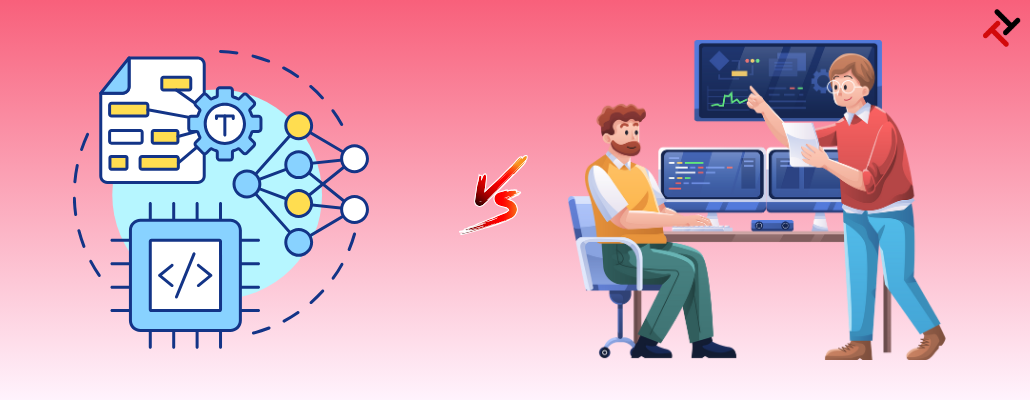
The future of engineering teams involves human-AI collaboration where agents handle repetitive tasks and humans focus on creative problem-solving, architecture, and business logic. Roles will evolve toward prompt engineering, AI agent management, and higher-level system design. Teams will be smaller but more productive.
5. Should companies worry about AI agents in software development replacing developers?
No, AI agents in software development augment rather than replace developers. They automate repetitive tasks, improve code quality, and amplify productivity, but human judgment, creativity, architectural thinking, and business understanding remain essential. Developers who learn to work with AI agents will be more valuable, not obsolete.