The Power of API Integration: Connecting Your Software Ecosystem
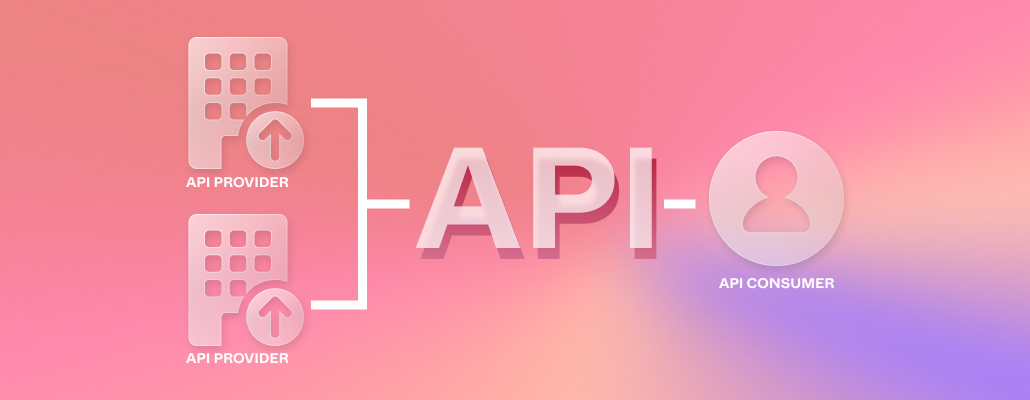
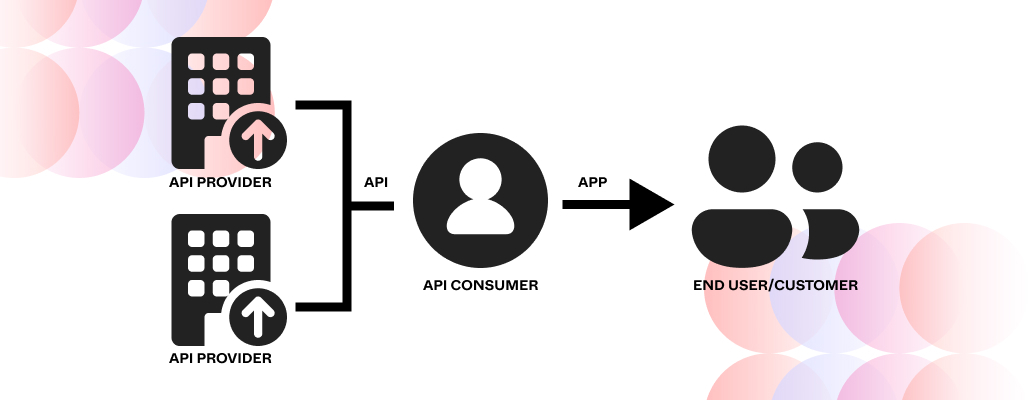
In the rapidly emerging world of technology, the easy flow of information between different software applications is vital for businesses trying to stay competitive and agile. However, Application Programming Interface (API) integration has become a robust solution. Also enables organizations to connect their software ecosystem, streamline processes, and unlock new possibilities for innovation.
Enhanced Efficiency and Automation:
It allows disparate software applications to communicate and share data in real-time. Hence, this increases operational efficiency by automating manual processes and reducing the need for duplicate data entry. Whether it's connecting CRM and marketing tools or integrating project management and collaboration platforms, automation enables teams to focus on high-value tasks rather than repetitive, time-consuming activities.
Seamless Data Flow:
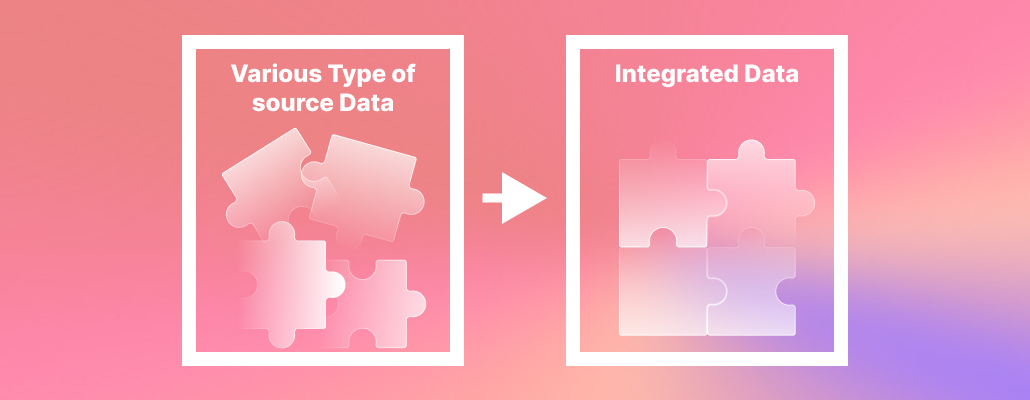
One of the critical benefits is the smooth and seamless data flow between applications. However, this ensures that all systems within an organization can access accurate and up-to-date information. For example, integrating customer support software with a centralized customer database ensures that customer information is consistent across all touchpoints, leading to better customer experiences and more informed decision-making.
Improved Decision-Making:
When different software systems communicate seamlessly, decision-makers can access a comprehensive and real-time view of business operations. This facilitates data-driven decision-making by providing accurate insights into key performance indicators, customer behavior, and market trends. Hence, it empowers organizations to make informed decisions quickly and adapt to changing circumstances in a dynamic business environment.
Enhanced Customer Experiences:
API integration is pivotal in creating a unified and cohesive customer experience. However, organizations can provide a seamless journey for their customers by connecting e-commerce platforms with inventory management systems or integrating customer relationship management (CRM) with billing software. Hence, this improves customer satisfaction and fosters brand loyalty by delivering consistent and personalized interactions.
Agile Development and Innovation:
APIs enable a modular and agile approach to software development. Developers can work on specific functionalities independently by breaking down applications into smaller, interconnected components. However, this accelerates the development process, allows for parallel workstreams, and facilitates continuous integration and deployment. Hence, the result is faster innovation cycles and the ability to respond quickly to market demands.
Scalability and Flexibility:
API integration provides a scalable foundation for businesses to grow. As organizations expand their software ecosystem, integrating new tools and services becomes essential. APIs allow for the seamless addition of new applications without disrupting existing workflows. However, this flexibility ensures that businesses can adapt to changing needs, incorporate new technologies, and scale their operations efficiently.
Cost Savings:
Traditional data transfer and integration methods often involve manual efforts and custom solutions, which can be costly and time-consuming. However, API integration streamlines these processes, reducing the need for manual intervention and minimizing the risk of errors. Hence, this saves time and lowers operational costs, making API integration a cost-effective solution for businesses of all sizes.
Security and Compliance:
API integration can enhance security by providing controlled access to data. Also, organizations can define and manage access levels, ensuring that sensitive information is only accessible to authorized users. API standards often include built-in security protocols, contributing to a more secure data exchange environment. However, this is particularly important for businesses that must comply with industry regulations and data protection standards.
Competitive Advantage:
Organizations that leverage API integration gain a significant advantage in a competitive business landscape. The ability to quickly adopt new technologies, respond to market changes, and deliver enhanced experiences sets them apart from competitors. Hence, it becomes a strategic enabler, positioning businesses for growth and innovation.
Future-Proofing:
As technology evolves, the need for seamless connectivity between applications will only increase. Investing in API integration today ensures that organizations are well-positioned to adapt to future technological advancements. However, by building a connected and interoperable software ecosystem, businesses can future-proof their operations and stay ahead in a rapidly changing digital landscape.
Conclusion:
In conclusion, the power of API integration lies in its ability to connect diverse software applications, driving efficiency, innovation, and competitiveness. However, as organizations increasingly recognize the importance of a connected software ecosystem, API integration has become a fundamental enabler of digital transformation, empowering businesses to thrive in the evolving landscape of technology. Visit Tangent Blogs for more latest and updated topics.