Data Sync and Automation: Efficiency Boosters in Third-Party Integrations

In the world of modern business, seamlessly integrating diverse systems and applications has become a crucial factor in achieving operational efficiency. When coupled with data synchronization and automation, third-party integrations are powerful tools to streamline processes, enhance collaboration, and boost overall productivity. However, this blog will explore how these three components work together to propel businesses forward.
1. Third-Party Integrations: Bridging Gaps
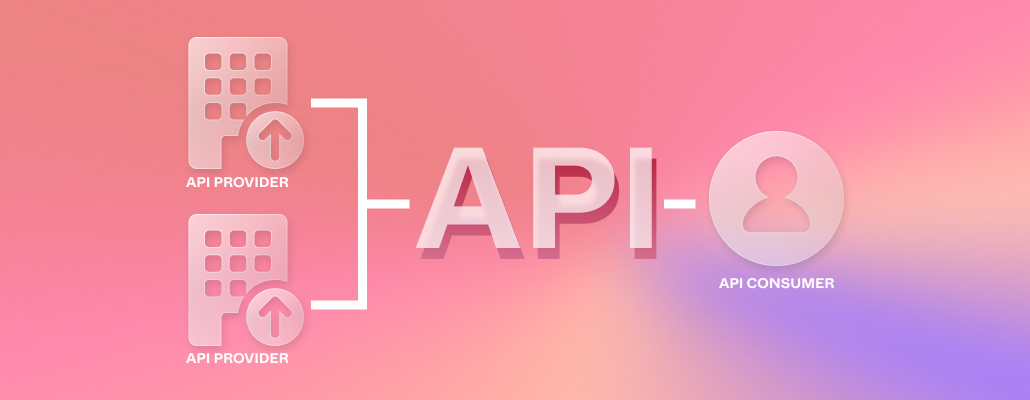
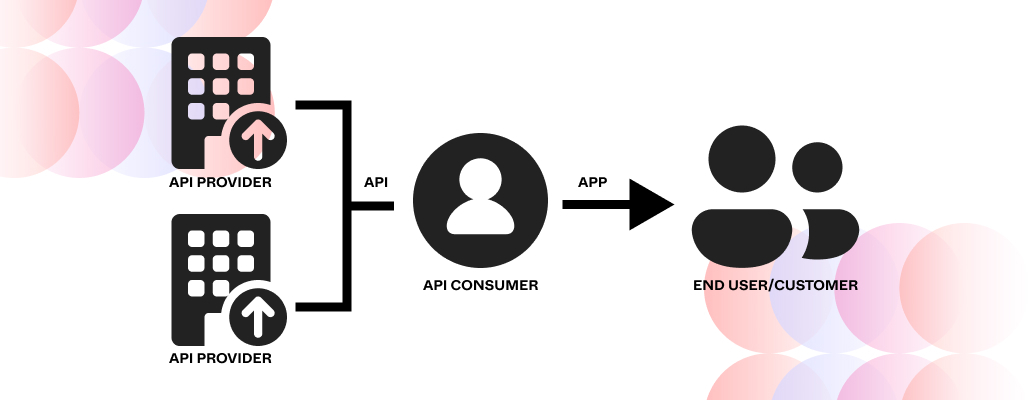
Businesses today rely on many software solutions to handle various aspects of their operations, from customer relationship management (CRM) to project management and beyond. These systems often operate in silos, leading to data fragmentation and inefficient workflows. Hence, third-party integrations act as bridges that connect these disparate systems, facilitating seamless communication and data exchange.
For example, integrating a CRM system with an email marketing platform allows businesses to automate lead-nurturing campaigns based on customer interactions. This integration ensures that data is consistent across platforms, eliminating the need for manual data entry and reducing the likelihood of errors. The result is a more cohesive and efficient workflow that enables teams to focus on strategic tasks rather than routine data management.
2. Data Sync: Ensuring Consistency Across Platforms
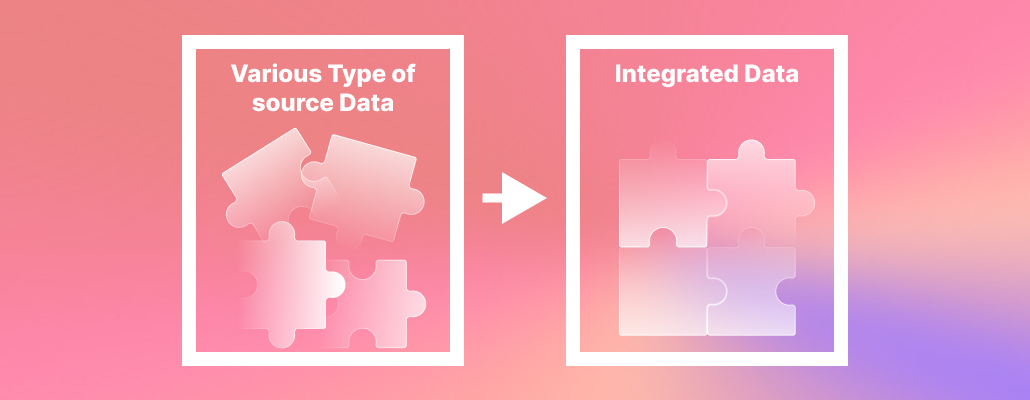
Data synchronization is the backbone of efficient third-party integrations. It automatically updates data between connected systems, ensuring that information remains consistent and up-to-date across all integrated platforms.
Consider a scenario where a sales team uses a CRM system to manage customer interactions while the finance department relies on a separate accounting software. Disparities between the two systems may arise without data synchronization, leading to billing errors, missed opportunities, and frustrated customers. By implementing data synchronization, changes made in one system are instantly reflected in the other, fostering accuracy and reliability.
Moreover, data sync plays a pivotal role in breaking down organizational silos. When information flows seamlessly between departments, decision-makers gain a comprehensive view of the business. Also, it helps enable them to make informed choices based on the most current data.
3. Automation: Elevating Efficiency to New Heights
While third-party integrations and data synchronization lay the groundwork for streamlined operations, automation takes efficiency to the next level. Automation involves using technology to perform repetitive tasks without human intervention, freeing up valuable time and resources.
Automation can be applied to various processes in the context of third-party integrations. For instance, an e-commerce business integrating its online store with a shipping and fulfillment system can automate order processing and shipment notifications. However, this reduces the risk of errors associated with manual order handling and accelerates the entire order fulfillment cycle.
Automation is particularly impactful in scenarios where speed and accuracy are critical. Businesses can create workflows that automatically respond to specific events by defining triggers and actions within integrated systems. This could include sending notifications, updating records, or initiating complex business processes.
4. Real-world examples of Efficiency Gains
Let's delve into a couple of real-world examples to illustrate the efficiency gains achieved through third-party integrations, data synchronization, and automation:
a. Marketing Automation Integration:
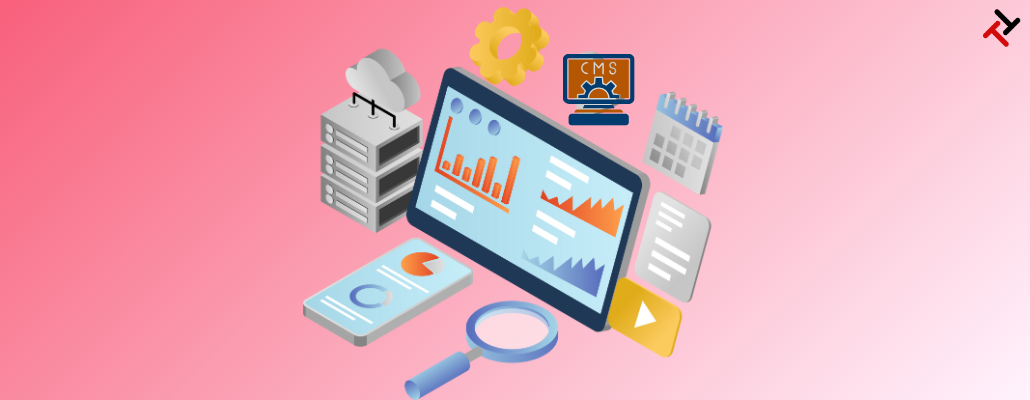
Imagine a marketing team using a customer engagement platform integrated with their content management system (CMS). Data synchronization seamlessly updates customer interactions and preferences in both systems. Automation can then be applied to trigger personalized email campaigns based on user behavior. It can lead to more targeted and practical marketing efforts.
b. Project Management and Collaboration:
For a project management team, integrating their project management tool with a collaboration platform ensures that task updates and document changes are instantly reflected. Automation can be leveraged to notify team members of task completions, upcoming deadlines, or changes in project milestones. It helps foster better communication and reduce the likelihood of missed deliverables.
Conclusion: A Unified Approach to Efficiency
In conclusion, the synergy between third-party integrations, Data Sync and Automation represents a unified approach. It helps enhance efficiency in today's dynamic business environment. By breaking down silos, ensuring data consistency, and automating routine tasks, organizations can unlock their full potential. Hence, it helps empower teams to focus on strategic initiatives and innovation.
As businesses continue to embrace digital transformation, adopting these efficiency-boosting practices will become increasingly vital. Those who harness the power of third-party integrations, data synchronization, and automation will survive and thrive in a competitive landscape. Hence, they achieve a level of agility and responsiveness that sets them apart. Visit tangent blogs for latest articles and information.