A Comprehensive Guide to the Product Development Process
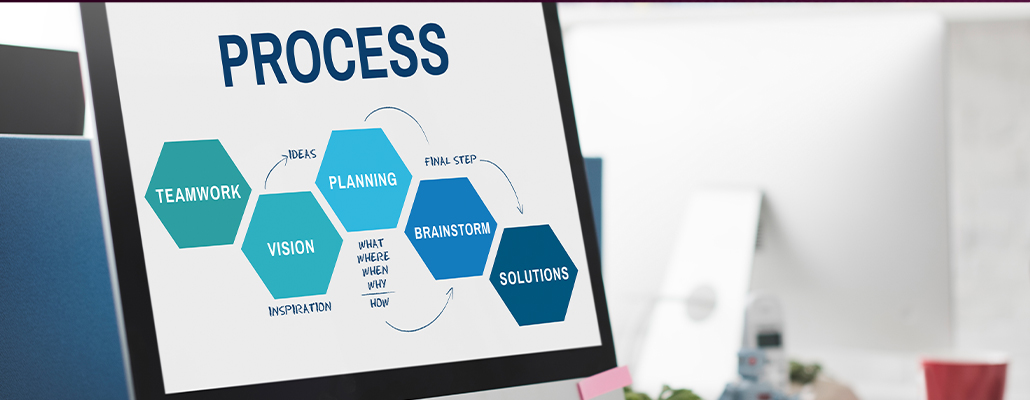
The product development process is a dynamic approach that systematically transforms ideas into tangible products that meet customer needs. Whether creating an innovation or enhancing an existing solution, the product development process involves a series of stages that demand careful planning, collaboration, and adaptability. Here is a comprehensive guide to navigating the difficulties of the product development journey.
1. Idea Generation:
The product development process usually begins with idea generation. This stage involves identifying opportunities and challenges in the market, brainstorming within the team, and conducting market research. The goal is to discover unmet needs, market gaps, or problems requiring innovative solutions.
2. Idea Screening:
Once a pool of ideas is generated, the next step is idea screening. This involves evaluating the arguments based on various criteria such as feasibility, market potential, and alignment with the organization's goals. However, factors like technical feasibility, financial viability, and strategic fit are essential in determining which ideas merit further development.
3. Concept Development and Testing:
With a narrowed set of ideas, the product development team moves on to concept development. This involves creating detailed concepts that outline the product's design, features, and functionality. These concepts are then tested with potential users to gather valuable feedback and insights. Hence, this process ensures that the product meets user expectations and needs.
4. Business Analysis:
Before committing resources to full-scale development, a comprehensive business analysis is conducted. This analysis examines the product's potential costs, revenues, and profitability. However, the considerations include manufacturing costs, marketing expenses, distribution logistics, and ongoing support requirements. Hence, a thorough business analysis forms the foundation for strategic decision-making.
5. Prototype Development:
Prototyping is a critical stage where the conceptualized product takes a tangible form. Whether it's a physical prototype or a digital minimum viable product (MVP), the goal is to visualize the development and test its functionality. However, feedback from prototyping is invaluable in refining the design and identifying any necessary adjustments.
6. Design and Development:
Once the prototype is done, the product moves into the design and development phase. After finalizing detailed plans, it covered aspects such as aesthetics, user experience, and technical specifications. However, development, whether following traditional or agile methodologies, involves translating these plans into a functional product. So, regular communication among cross-functional teams is necessary to ensure it's aligned and address any emerging challenges.
7. Testing and Quality Assurance:
Rigorous testing is vital to ensure that the product meets quality standards and functions as intended. This phase involves various types of testing, including functionality, usability, and performance testing. However, identified issues help prevent the escalation of problems into later stages of development.
8. Market Testing:
Before a full-scale launch, it is vital to introduce the product to a limited market or conduct a pilot launch. This allows for real-world testing and provides an opportunity to measure customer response. However, feedback gathered during market testing is instrumental in making final adjustments and optimizing the product for broader market acceptance.
9. Commercialization:
Hence, with successful market testing, the product is ready for commercialization. This involves planning and executing the full-scale launch, including marketing strategies, sales initiatives, and distribution logistics. A well-coordinated effort is vital to maximize visibility and capture the target market.
10. Launch and Distribution:
The product has entered into the market through chosen distribution channels. Monitoring the initial customer feedback and market reception during the launch phase is critical. Responsive action to address emerging issues or capitalize on positive feedback ensures a smoother market entry.
11. Post-Launch Evaluation:
A comprehensive post-launch evaluation happens following the product's entry into the market. After entering the product into the market, a thorough post-launch evaluation happens. This involves analyzing performance metrics, gathering customer feedback, and assessing market reception. Hence, this feedback loop informs future product iterations and enhancements.
12. Life Cycle Management:
The product journey continues with life cycle management even after a successful launch. This involves ongoing management and support, considering updates, improvements, and product retirement. However, proactive life cycle management ensures that the product remains relevant and competitive in the market.
Conclusion
In conclusion, successful product development requires a strategic and systematic approach. Each stage of the product development process guides the process and builds upon the previous one, emphasizing the importance of collaboration, adaptability, and a customer-centric focus. Hence, by navigating through these stages diligently and creatively, organizations can bring innovative and market-ready products to success. Keep visiting Tangent blogs for more product development articles and information.