Exploring the Revolution: What Is HealthTech and Why Does It Matter?
HealthTech, short for Health Technology, is a rapidly evolving field that combines technology with healthcare to improve and innovate medical practices. The intersection of health and technology has given rise to groundbreaking solutions in recent years. However, it aims to enhance patient care, streamline medical processes, and revolutionize the healthcare industry.
Improves efficiency of healthcare services:
At its core, HealthTech encompasses a wide range of technologies and applications. It is designed to improve the delivery, efficiency, and accessibility of healthcare services. This includes digital health platforms, wearable devices, telemedicine, health information technology, and various software solutions. The primary goal is to leverage technology to address challenges in healthcare. Hence, it also creates positive outcomes for patients, healthcare providers, and the entire healthcare system.
Implementing digital health platforms:
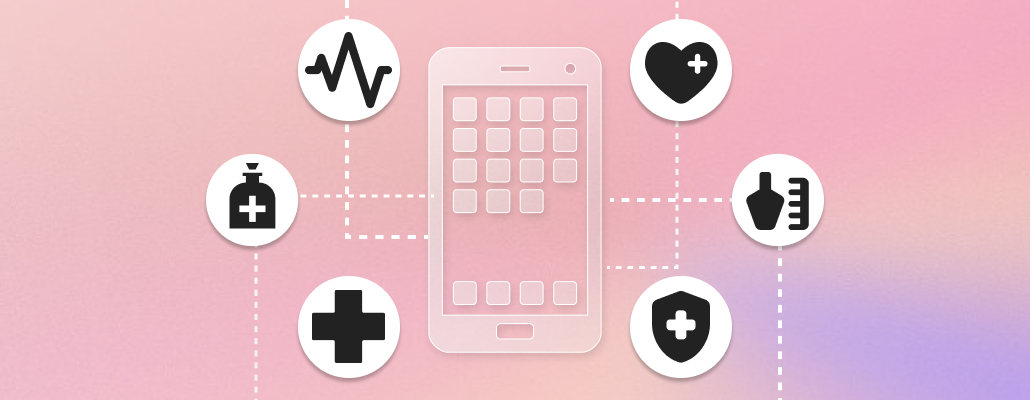
One significant aspect of HealthTech is developing and implementing digital health platforms. These platforms offer tools and resources that empower individuals to manage their health actively. Mobile apps, for instance, provide users access to personalized health information, medication reminders, and fitness tracking. Hence, It promotes preventive care and healthy lifestyle choices.
Wearable Devices:
Wearable devices are another critical component of HealthTech. These devices, such as smartwatches and fitness trackers, monitor vital signs, physical activity, and other health-related metrics. They enable individuals to track their well-being in real time and provide valuable data to healthcare professionals for a more comprehensive understanding of a patient's health.
Telemedicine:
Telemedicine is a transformative aspect of HealthTech that facilitates remote healthcare services. Patients can connect with healthcare professionals through video calls, online consultations, and virtual health platforms without physical visits to a medical facility. However, this improves access to care, especially in remote or underserved areas, and enhances convenience for patients with busy schedules.
Digitizing and managing health records:
Health information technology is crucial in HealthTech by digitizing and managing health records. Electronic Health Records (EHRs) streamline the sharing of patient information among healthcare providers. However, it helps reduce errors, improve care coordination, and ultimately enhance patient safety. This shift towards digital records contributes to a more efficient and integrated healthcare system.
Transformation of healthcare providers' operation:
In addition to patient-focused technologies, HealthTech is transforming how healthcare providers operate. Advanced software solutions help automate administrative tasks, manage appointments, and optimize workflows. However, it helps allow healthcare professionals to focus more on patient care. Artificial intelligence (AI) and machine learning are employed to analyze large datasets, identify patterns, and assist in clinical decision-making, leading to more accurate diagnoses and personalized treatment plans.
Challenges in healthcare:
The significance of HealthTech lies in its potential to address some of the most pressing challenges in healthcare. However, it has the power to improve patient outcomes, reduce healthcare costs, and increase overall efficiency in the delivery of medical services. Hence, by embracing technology, the healthcare industry can become more patient-centric, accessible, and adaptable to the evolving needs of patients and healthcare professionals.
Conclusion:
In conclusion, HealthTech is a transformative force that promises to revolutionize healthcare. Through technology integration, we can expect to see a future where healthcare is more personalized, accessible, and efficient. However, as the field continues to advance, the impact of HealthTech is likely to grow. Hence, it shapes a healthcare landscape better equipped to meet the needs of individuals and communities worldwide. Visit Tangent blog for more healthtech information.