React vs React Native: Choosing the Right Tool for Your Project

In the world of programming languages and frameworks, the choice between React and React Native can be crucial, especially for businesses seeking to optimize development across platforms. Both technologies, developed by Facebook, are renowned for creating rich user experiences but serve different purposes. Tangent Technologies, a leading software development company, often helps clients navigate these choices to build efficient, high-performance applications. Here’s an in-depth comparison of React vs React Native to help you understand which one best suits your project.
What is React?
React is a JavaScript library primarily used to build web applications. Known for its flexibility, React allows developers to create fast, interactive, and responsive user interfaces. With a component-based architecture, it enables the reuse of components across various parts of an application, which speeds up development and simplifies maintenance.
React has gained massive popularity among developers due to its efficiency and ease of use. In terms of performance, React is exceptional because it uses a virtual DOM to minimize direct manipulation of the actual DOM, making updates faster and more efficient.
What is React Native?
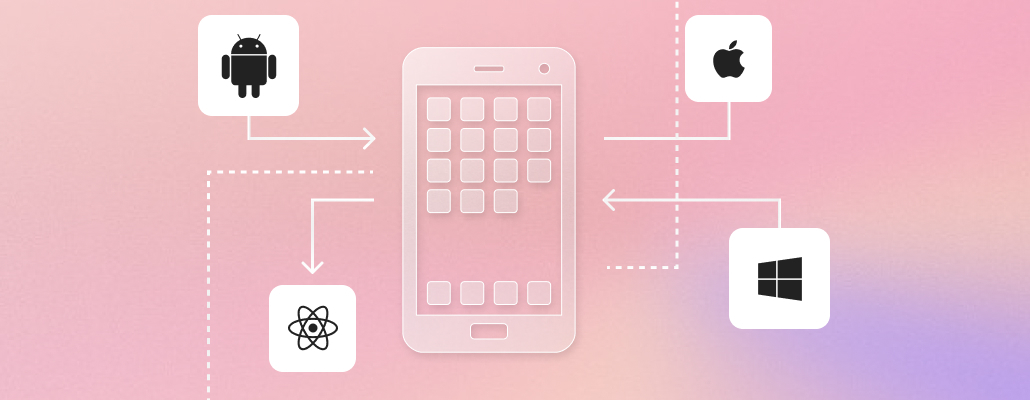
While React is used to build web applications, React Native is a framework built for developing mobile applications on iOS and Android. React Native leverages the same design principles as React but allows developers to use a single codebase for both iOS and Android apps, reducing development time and cost.
React Native compiles JavaScript code into native code, allowing it to work seamlessly with device-specific functionalities, such as the camera or GPS. This makes React Native an ideal choice for creating cross-platform mobile applications that deliver a native experience.
React vs React Native: Key Differences
Although React and React Native share some foundational similarities, they differ in several critical ways. Let’s explore the main distinctions to help you choose the right one.
1. Platform
- React: Primarily used for web applications and offers excellent performance and flexibility on the web.
- React Native: Designed for mobile applications, allowing the creation of cross-platform apps for iOS and Android with a single codebase.
2. Codebase
- React: Uses HTML, CSS, and JavaScript for UI components, making it highly suitable for web-based interfaces.
- React Native: While the syntax is similar to React, React Native relies on native components rather than web-based components, which allows for a native-like mobile experience.
3. Performance
- React: Known for high performance on web applications due to its virtual DOM that minimizes direct interaction with the actual DOM.
- React Native: Offers near-native performance on mobile devices by using native components, although it may occasionally lag behind purely native applications in terms of speed.
4. Development Speed
- React: Offers fast development cycles for web apps, with various reusable components and third-party libraries.
- React Native: Speeds up mobile app development by enabling cross-platform compatibility, allowing developers to write once and deploy on both iOS and Android.
5. Learning Curve
- React: Easier to learn if you are already familiar with JavaScript, HTML, and CSS.
- React Native: Requires knowledge of React but also a bit of understanding of mobile development paradigms, making the learning curve slightly steeper.
Advantages of Using React
- Reusable Components: React allows the creation of components that can be reused across various parts of an application.
- Virtual DOM: Enhances performance by reducing the need to update the actual DOM.
- SEO-Friendly: React is effective for building SEO-optimized web applications, making it a good choice for businesses seeking to improve visibility.
Advantages of Using React Native
- Cross-Platform Compatibility: React Native lets developers build applications that work on both iOS and Android using a single codebase.
- Cost-Effective: As a cross-platform solution, React Native reduces development costs and time.
- Access to Native Features: It provides access to native functionalities, giving applications a smoother and more responsive user experience on mobile.
When to Use React vs React Native
For web-based applications or projects where SEO optimization is crucial, React is the best option. React provides excellent flexibility and performance on the web, making it a good fit for web-only applications.
On the other hand, if you are looking to create a cross-platform mobile app that works seamlessly on both iOS and Android, React Native is the way to go. It allows developers to build apps more quickly and cost-effectively while delivering a near-native experience.
Tangent Technologies specializes in both React and React Native development, offering expertise in selecting the right technology for our clients. Our team ensures your project is tailored to meet platform-specific demands, guaranteeing high performance and user satisfaction.
React vs React Native: Summary Table
| Feature | React | React Native |
|---|---|---|
| Platform | Web | iOS & Android |
| Codebase | HTML, CSS, JavaScript | Native Components |
| Performance | High for web | Near-native for mobile |
| Development Speed | Fast for web | Fast for cross-platform |
| Learning Curve | Moderate | Moderate to High |
FAQs
1. Can I use React Native for web development?
While React Native is optimized for mobile platforms, there is an extension called React Native Web that allows developers to build web applications. However, React itself is generally preferred for purely web-based projects.
2. Which is better, React or React Native?
The choice depends on your project needs. If you’re building a web application, React is ideal. For cross-platform mobile apps, React Native is the better choice.
3. Are React and React Native programming languages?
No, React and React Native are frameworks, not programming languages. Both are based on JavaScript and designed to simplify the development of user interfaces.
4. Is React Native good for large-scale applications?
React Native can be used for large-scale applications, but certain complex functionalities may require additional native code for optimal performance.
5. Does Tangent Technologies work with React and React Native?
Yes, Tangent Technologies has a team of experienced developers who specialize in both React and React Native. We help businesses choose the right framework for their projects, ensuring high-quality, performance-driven results.
Conclusion
In the debate of React vs React Native, the choice largely depends on your platform and project goals. React excels in building high-performing web applications, while React Native simplifies cross-platform mobile app development. By partnering with a trusted software development company like Tangent Technologies, you can leverage the strengths of both frameworks to create powerful, scalable applications tailored to your audience. Whether you’re building for the web or mobile, our team is here to guide you every step of the way.