Embedded Software Development vs. Traditional Software: Key Differences
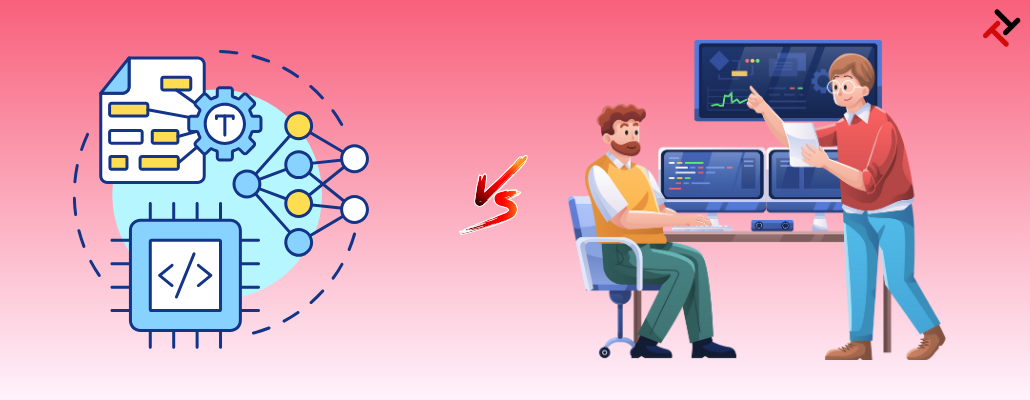
For programmers and coders, there are 2 prominent technologies, fist is embedded software development and second traditional software development. Coders must know the key differences between them. Their job requires them to keep updated and skilled in both domains. Both serve specific purposes, but there are few prominent differences.
In this article, we’ll discuss the differences between embedded software and traditional software. Highlight the pros and cons of each. This guide will help clarify which approach best aligns with your goals.
What is Embedded Software Development?
Embedded software development involves the creation of custom software designed to be run on specific hardware environments. Opposite to traditional software development, embedded software is embedded deeply in hardware devices, which renders them operational.
Key Features
The following are the main features that characterize embedded software.
-
Hardware-Dependent - Embedded software must be compatible with the device's physical components to function properly.
-
Real-Time Performance - It often operates under strict time constraints, such as in automotive safety systems or industrial control units.
-
Resource Constraints - Embedded systems typically have limited memory and processing power, requiring the software to be highly optimized.
Examples of Embedded Software Applications
Embedded software is used in systems where tight integration between hardware and software is essential, and real-time feedback is critical. Examples include.
-
Consumer Electronics: Smart thermostats, washing machines, and refrigerators.
-
Automotive: Airbag control units, anti-lock brake systems, and in-car software.
-
Medical Devices: Heart rate monitors, diagnostic equipment, and infusion pumps.
What is Traditional Software Development?
traditional software development, also known as application software development, involves creating general-purpose software that can run on various hardware configurations without being tied to a specific device.
traditional software is designed for more versatile and resource-rich systems, such as computers, smartphones, and cloud platforms. Examples include e-commerce websites, productivity tools, mobile apps, and enterprise software.
Key Features
traditional software development is preferred for its flexibility and ability to cater to broader markets. Key characteristics include:
-
Hardware Independence: traditional software can run on multiple devices and operating systems.
-
Resource Flexibility: It leverages more resources, enabling richer user interfaces and complex functionalities.
-
Scalability: It can be scaled to handle larger user bases or additional features through cloud services or software updates.
Examples of traditional Software Applications
-
Enterprise Solutions: CRM and ERP systems that streamline business operations.
-
Consumer Applications: Web, mobile, and desktop apps for everyday use.
-
E-commerce Platforms: Online shopping platforms like Shopify or custom-built solutions.
Embedded Software Development vs Traditional Software Development: Advantages and Disadvantages
Both embedded and traditional software have inherent advantages and disadvantages based on hardware requirements, user needs, and system design. Let’s explore the pros and cons of each.
Advantages and Disadvantages of Embedded Software
Advantages
-
Designed to operate efficiently with limited resources.
-
Ideal for applications requiring instant responses.
-
Once deployed, embedded software is highly stable.
Disadvantages
-
Restricted to specific devices, making updates or upgrades challenging.
-
High Initial Costs - Requires specialized equipment and expertise for development.
Advantages and Disadvantages of Traditional Software
Advantages
-
Highly Versatile - Can run on various devices and platforms.
-
Scalable - Easily adapts to growing user needs and demands.
-
User-Centric - Focuses on intuitive and user-friendly interfaces.
Disadvantages:
-
Often requires significant processing power and memory.
-
More prone to cyberattacks unless traditionally updated
-
Integrating traditional software with hardware systems can be complex
Embedded Software Development vs Traditional Software Development - A Tabular Comparison
|
Feature/Aspect |
Embedded Software Development |
Traditional Software Development |
|
Definition |
Software designed for specific hardware devices |
Software developed for general-purpose computers |
|
Hardware Dependency |
Highly dependent on hardware |
Can run on various hardware configurations |
|
Real-time Processing |
Often requires real-time operation |
Not always real-time |
|
Programming Languages |
C, C++, Assembly, Rust |
Java, Python, C#, JavaScript |
|
Memory & Storage |
Limited memory, optimized for efficiency |
Flexible, depends on system resources |
|
Updates & Maintenance |
Harder to update, may require firmware flashing |
Easier to update via software patches |
|
Security Considerations |
Security is critical due to direct hardware access |
Software security depends on architecture |
|
Development Time |
Longer due to hardware-software integration |
Faster, as it relies on standard frameworks |
|
Power Consumption |
Optimized for low power usage |
Not necessarily optimized for power efficiency |
|
Scalability |
Limited by hardware constraints |
Highly scalable across different platforms |
Choosing between Embedded Software Development vs Traditional software development
Before deciding between embedded vs traditional software, consider your business’s project goals, industry requirements, and specific technical needs.
-
Embedded Software Development is ideal for applications requiring close hardware integration, real-time functionality, and reliability. Examples include IoT, healthcare, and automotive sectors.
-
Traditional Software Development is best suited for enterprise applications that demand flexibility, easy updates, and scalability. Examples include websites, retail platforms, and corporate applications.
One-size-fits-all software won’t work for your unique devices. Tangent Technologies specializes in both embedded software and traditional software development. With an expert team of coders, we have been delivering excellence for a number of years. We build solutions that are customized to your hardware’s needs and redefine your limits digitally.
Let’s build high-performance solutions together.
Connect with Tangent Technologies Today.
Final Thoughts
The choice between embedded Software Development vs traditional software development depends on finding the best fit for your business needs and product functionality. Embedded software excels in device-specific, real-time operations, while traditional software is ideal for scalable applications. Decide based on the criteria, we have discussed in this blog. Code smarter, not harder.
FAQ’s
1. How is embedded software different from normal software in its execution?
Embedded software runs on specialized hardware with hard real-time constraints, while normal software runs on general-purpose hardware with loose environments.
2. What are the 3 key differences between embedded and traditional software dev projects?
-
Hardware Dependency
-
Real-Time Constraints
-
Resource Limitations
3. Is embedded software more difficult to develop than traditional software?
Yes, since it requires an understanding of both hardware and software, efficient memory management, and real-time processing.
4. What industries normally use embedded software?
Embedded software is widely used in:
-
Automotive systems – Engine control units, infotainment systems
-
Medical devices – Pacemakers, MRI scanners
-
Consumer electronics – Smart TVs, IoT devices
-
Industrial automation – Robotics, process control systems
-
Aerospace applications – Flight control systems, satellite software
5. Can traditional software be converted into embedded software?
Not directly. Traditional software has to be tailored for hardware constraints, real-time performance, and power management efficiency before it can be developed as embedded software.