A Guide to Seamless Data Integration: Best Practices and Strategies
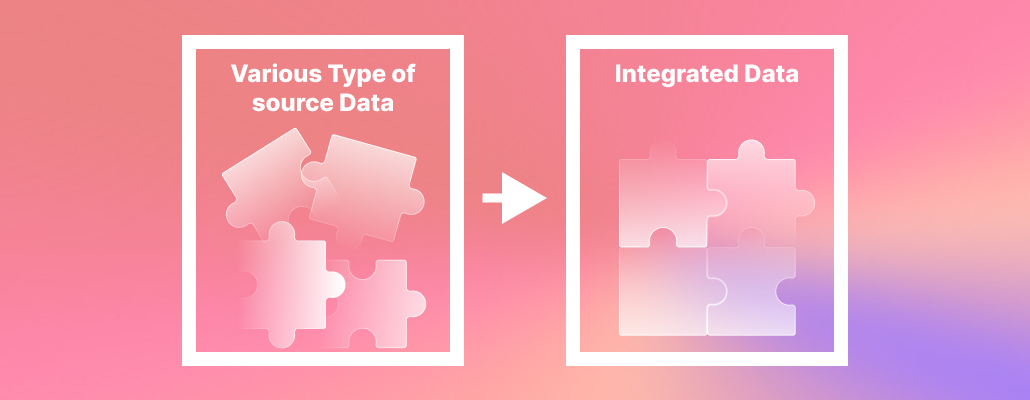
In the era of big data and interconnected systems, seamless data integration has become a cornerstone for businesses aiming to derive meaningful insights, enhance decision-making, and streamline operations. However, implementing effective data integration practices requires a strategic approach. Here's a guide outlining best practices and strategies for seamless data integration.
Define Clear Objectives:
Begin by clearly defining the objectives of your data integration initiative, whether it's improving business intelligence, enhancing customer experiences, or optimizing internal processes. However, having a well-defined goal ensures that the integration efforts align with your business priorities.
Assess Data Quality:
Prioritize data quality before integration. Clean, accurate, and consistent data is fundamental for meaningful analysis and decision-making. However, thoroughly assess your data quality and implement data cleansing processes to rectify discrepancies or errors.
Choose the Right Integration Approach:
Different integration approaches suit other use cases. Whether it's batch processing, real-time integration, or a hybrid approach, choose the method that aligns with your business requirements. Hence, real-time integration is crucial for applications that demand up-to-the-minute data, while batch processing may be suitable for less time-sensitive scenarios.
Implement Data Governance:
Establish robust data governance policies to ensure data integrity and compliance. Define data ownership, access controls, and data lifecycle management practices. Hence, a well-defined data governance framework enhances accountability and transparency, improving overall data quality.
Select the Right Integration Tools:
Choose integration tools that align with your technical requirements and budget. Whether you opt for on-premise solutions, cloud-based platforms, or a combination of both, ensure that the selected tools provide the necessary features for data mapping, transformation, and connectivity with your existing systems.
Ensure Scalability:
Plan for scalability from the outset. However, as your business grows, so will your data integration needs. Select tools and architectures that can scale seamlessly to accommodate increasing data volumes and additional integrations without compromising performance.
Standardize Data Formats:
Standardizing data formats and structures simplifies the integration process. However, use familiar data standards and formats to facilitate seamless system communication. Hence, this accelerates integration and reduces the likelihood of errors associated with incompatible data structures.
Establish Monitoring and Error Handling:
Implement robust monitoring mechanisms to track the performance of your data integration processes. Set up alerts for potential issues and establish error-handling procedures to address anomalies promptly. Hence, regularly review logs and metrics to identify areas for optimization and improvement.
Prioritize Data Security:
Security is paramount in data integration. Employ encryption protocols, secure authentication methods, and access controls to protect sensitive information. Regularly update security measures to stay ahead of evolving threats and compliance requirements, especially when dealing with personally identifiable information (PII).
Facilitate Collaboration Between Teams:
Foster collaboration between IT, data engineering, and business teams. Effective communication is essential for successful data integration. However, ensure stakeholders understand integration processes, data mappings, and business rules to foster a collaborative and cross-functional approach.
Document Processes and Workflows:
Comprehensive documentation is critical to successful data integration. Document data mappings, transformation rules, and integration workflows. Hence, this documentation is valuable for troubleshooting, onboarding new team members, and ensuring continuity in case of personnel changes.
Plan for Data Maintenance:
Develop a strategy for ongoing data maintenance. Regularly update and cleanse data to ensure its relevance and accuracy. However, implementing automated data validation and cleaning processes reduces the manual effort required to maintain data quality over time.
Conduct Thorough Testing:
Rigorous testing is critical to ensure the success of data integration projects. Test data mappings, transformations, and end-to-end processes to identify and address any issues before implementation. Hence, regularly conduct performance testing to optimize the efficiency of integration workflows.
Conclusion
In conclusion, achieving seamless data integration requires a combination of strategic planning, robust tools, and best practices. However, by prioritizing data quality, governance, scalability, and security and fostering collaboration between teams, businesses can unlock the full potential of their data, driving informed decision-making and gaining a competitive edge in today's data-driven landscape. Visit Tangent blogs for more latest blogs about data integration and development.