Streamlining Customer Relationship Management with CRM Integrations
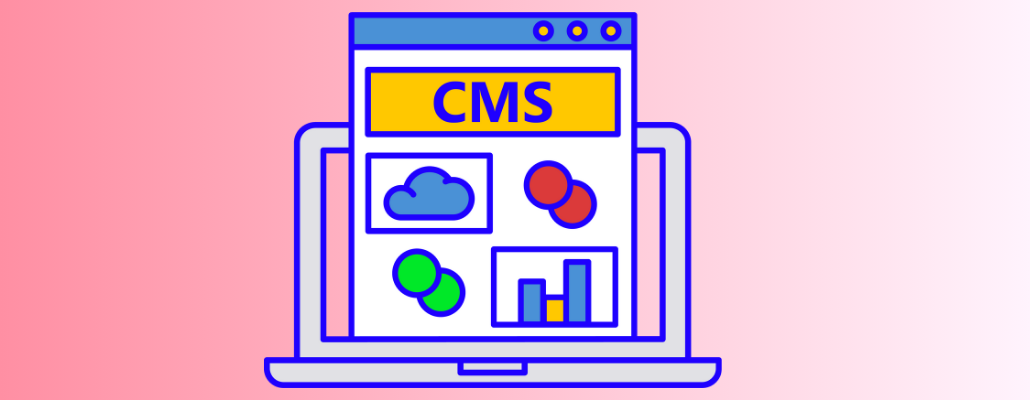
Customer Relationship Management (CRM) is the backbone of successful business strategies. In the contemporary business landscape, the role of CRM integrations in streamlining operations and enhancing customer interactions cannot be overstated. A CRM system is a centralized hub for managing customer information, exchanges, and transactions. Integrating CRM with other critical business applications and platforms maximizes the CRM system's utility and contributes to a more holistic and efficient approach to customer relationship management.
Breaking down data silos:
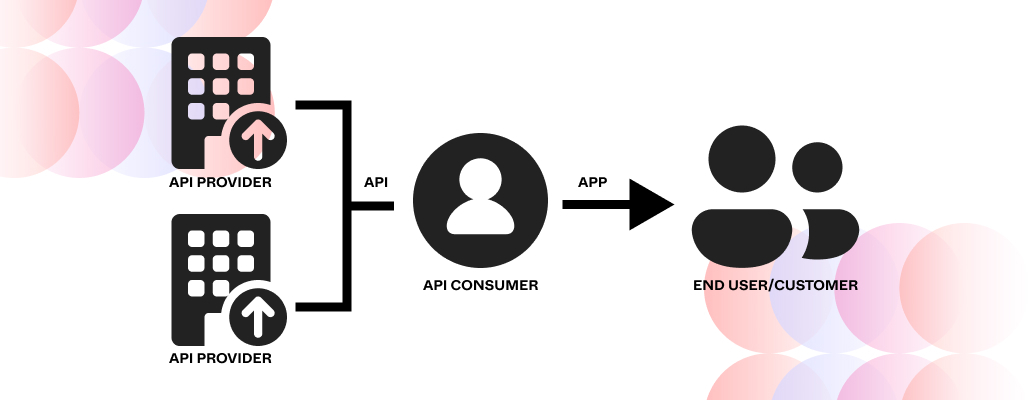
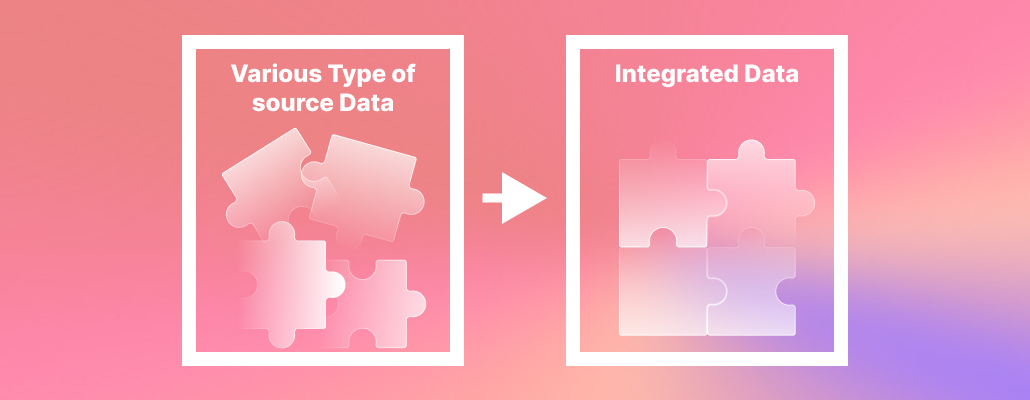
At the core of CRM integrations is the idea of breaking down data silos within an organization. Businesses typically use various software tools for different functions, such as marketing automation, sales pipeline management, and customer support. These systems operate in isolation without integration, leading to fragmented data and inefficiencies. CRM integrations bridge these gaps by connecting the CRM system with other applications. It ensures a seamless flow of information across the entire organization.
Enhanced Sales and Marketing efforts:
A key benefit of CRM integrations is enhancing sales and marketing efforts. By integrating CRM with marketing automation tools, businesses can create a closed-loop system where leads generated through marketing campaigns seamlessly flow into the CRM system. This integration allows for a more nuanced understanding of customer behavior, enabling targeted marketing campaigns based on real-time data. With this integrated information, sales teams can prioritize leads more effectively, increasing conversion rates and revenue.
Efficiency:
Efficiency gains are another significant advantage of CRM integrations. When CRM is integrated with project management tools, order processing systems, or inventory management software, it streamlines processes and reduces manual data entry. For example, when a sales representative closes a deal in the CRM system, the integrated project management tool can automatically initiate the project setup process. This saves time and minimizes the risk of errors associated with manual data transfer.
Customer support and service:
They are integral components of CRM, and integrating CRM with customer support platforms can significantly enhance these functions. When a customer reaches out for support, the integrated system provides support agents with a comprehensive view of the customer's history, including past interactions, purchases, and preferences. This holistic view empowers support teams to provide personalized and efficient assistance, fostering customer satisfaction and loyalty.
Unified Customer Experience:
In the era of e-commerce, integrating CRM with e-commerce platforms is crucial for creating a unified customer experience. When a customer purchases online, the integrated CRM system can automatically update customer records with the transaction details. This information is then accessible to sales and support teams, enabling them to effectively provide targeted recommendations or address post-purchase inquiries. The seamless data flow between CRM and e-commerce platforms is essential for building and maintaining strong customer relationships in the digital marketplace.
Data Analytics and Business Intelligence:
Moreover, CRM integrations are pivotal in data analytics and business intelligence. Businesses can derive valuable insights into customer behavior, preferences, and trends by integrating CRM with analytics tools. These insights inform strategic decision-making and enable companies to stay agile in response to market changes. For instance, integrated CRM and analytics can reveal patterns in customer engagement, allowing businesses to optimize their marketing strategies for better results.
Security and compliance:
These considerations are paramount when implementing CRM integrations. Businesses must ensure that data shared between integrated systems is protected and that privacy regulations are adhered to. This includes implementing robust authentication measures, encryption protocols, and regular security audits. Compliance with data protection regulations, such as GDPR, is essential to maintain customer trust and avoid legal implications.
Conclusion:
In conclusion, Customer Relationship Management integrations are a cornerstone of modern customer relationship management, offering myriad benefits across sales, marketing, support, and analytics. The seamless flow of data facilitated by integrations improves operational efficiency and empowers businesses to deliver a more personalized and responsive customer experience. As businesses continue to navigate the complexities of the digital landscape, CRM integrations will remain a key enabler of success, providing the agility and insights needed to thrive in a competitive market. For more articles related to CRM integrations or streamlining the processes, visit Tangent blogs,