The Impact of Digital Health on Modern Healthcare: A Comprehensive Overview

Digital health has transformed the modern healthcare landscape, changing how patients receive medical care and how healthcare professionals deliver services. However, this comprehensive blog explores the multifaceted impact of digital health on various aspects of the healthcare industry. Digital health has become a cornerstone of modern healthcare, revolutionizing how medical services are delivered and experienced. Hence, this impact is evident across various facets of the healthcare industry, shaping patient care, diagnostics, and the overall healthcare landscape.
1. Telemedicine and Remote Patient Monitoring:
One of the most significant contributions of digital health is the widespread adoption of telemedicine. Telemedicine enables patients to consult with healthcare providers remotely, breaking down geographical barriers and improving access to medical expertise. However, remote patient monitoring, facilitated by wearable devices and sensors, allows continuous tracking of vital signs and health parameters, providing timely insights for proactive intervention.
2. Electronic Health Records (EHRs):
The transition from paper-based records to electronic health records has streamlined information management within healthcare systems. EHRs facilitate seamless sharing of patient data among healthcare providers, reducing errors and improving coordination of care. Hence, patients also benefit from more accessible access to their medical history, empowering them to participate actively in their healthcare decisions.
3. Artificial Intelligence (AI) and Machine Learning:
Integrating AI and machine learning in healthcare has revolutionized diagnostics, personalized treatment plans, and predictive analytics. However, AI algorithms analyze vast datasets to identify patterns and correlations that may elude human analysis. Hence, this enhances the speed and accuracy of diagnostics and contributes to the development of targeted therapies based on individual patient profiles.
4. Mobile Health Applications (Apps):
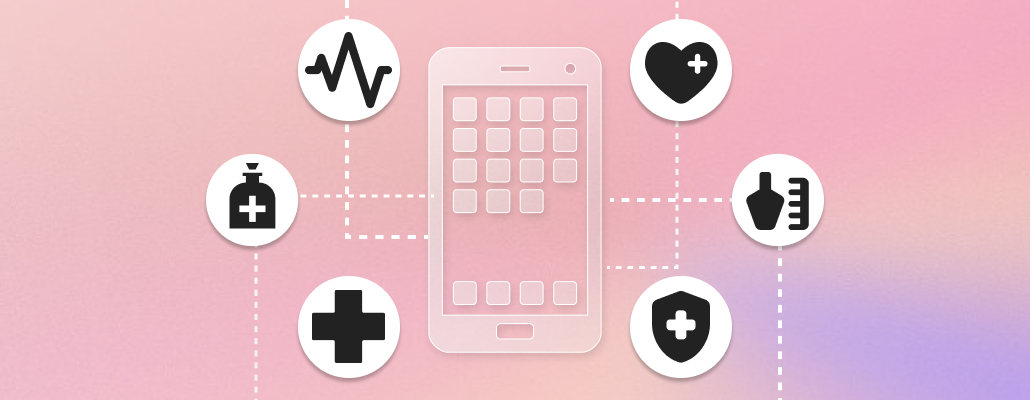
The proliferation of health apps has empowered individuals to manage their well-being actively. From fitness trackers to medication reminder apps, mobile health applications offer tools for self-monitoring and adherence to treatment plans. Hence, these apps serve as valuable patient companions and contribute to preventive healthcare by promoting a healthy lifestyle.
5. Digital Therapeutics:
Digital therapeutics are software-based interventions designed to treat or manage medical conditions. These interventions often leverage digital platforms to deliver evidence-based therapeutic interventions. Hence, they play a crucial role in situations such as mental health disorders, chronic diseases, and rehabilitation, providing scalable and cost-effective solutions.
6. Data Security and Privacy Concerns:
As healthcare becomes increasingly digitized, the protection of patient data becomes paramount. The industry faces challenges in ensuring robust cybersecurity measures to safeguard sensitive health information. However, balancing innovation and data security is crucial to maintaining trust in digital health solutions.
7. Improved Healthcare Accessibility:
Digital health has the potential to bridge healthcare gaps by reaching underserved populations. Hence, remote consultations, mobile health units, and health information dissemination through digital platforms contribute to increased accessibility to healthcare services, particularly in remote or rural areas.
8. Challenges and Regulatory Considerations:
Despite the transformative benefits, digital health faces challenges such as interoperability issues, standardization of protocols, and varying regulatory landscapes. Hence, striking a balance between innovation and regulatory oversight is crucial to ensure the safety and efficacy of digital health solutions.
Conclusion:
In conclusion, the impact of digital health on modern healthcare is extensive and transformative. From enhancing patient-provider interactions to revolutionizing diagnostics and treatment, digital health has ushered in a new era of healthcare delivery. While challenges persist, the ongoing integration of digital technologies holds the promise of a more efficient, accessible, and patient-centric healthcare system. However, the impact of digital health on modern healthcare is profound and far-reaching. From enhancing patient accessibility to transforming diagnostics and treatment modalities, digital health continues to shape the future of healthcare delivery. Hence, as the industry navigates challenges and embraces innovation, the ongoing integration of digital technologies holds the promise of a more efficient, patient-centered, and accessible healthcare ecosystem.