Harnessing the Power of WebAssembly for High-Performance Web Applications

In web development, achieving top-notch performance without compromising user experience is a constant challenge. WebAssembly, also known as Wasm, is here to rescue you. WebAssembly makes web applications faster and more powerful. It allows developers to bring the speed and efficiency of desktop software to the web. The power of WebAssembly opens up a world of possibilities when it comes to delivering performance in shorter spans of time. In this blog, we'll explore the power of WebAssembly for high-performance web applications.
What is WebAssembly?
WebAssembly is a bytecode format that runs in the browser alongside JavaScript. It allows developers to execute code written in languages other than JavaScript with near-native performance. This unique code format significantly enhances the speed of web applications. Think of it as a versatile tool that enables developers to use various programming languages, such as C or Rust, to create web apps that perform as swiftly as if they were running directly on your device.
Why choose WebAssembly?
Near-Native Performance
One of WebAssembly's most fascinating advantages is its ability to deliver performance that is comparable to the native code. It allows you to compile code to a binary format which can be executed by modern web browsers. In this way, developers can achieve performance gains over traditional JavaScript.
Language Flexibility
WebAssembly is language-agnostic, meaning it can accommodate a number of programming languages, including C, C++, Rust, and newer entrants like Go and Swift. This allows developers to select the language best suited to their requirements.
Seamless Integration with JavaScript
WebAssembly seamlessly integrates with JavaScript, which means developers can blend the speed of WebAssembly with the flexibility of JavaScript. This means developers can make their apps faster in just the parts that need it while still using all the handy tools and libraries available in JavaScript.
Keeps Your Data Safe
WebAssembly runs code in a safe area within a sandboxed environment. This means it provides an additional layer of security, making it harder to sneak into your web apps and mess things up. So, if you are using WebAssembly, you can be more confident that your apps are secure, even if you are using untrusted codes obtained from external sources.
Harnessing the Power of WebAssembly
Improving Key Features
WebAssembly is great for making the most important parts of web apps, such as performance-critical components, work faster. Tasks like changing images or videos, physics simulations, or handling lots of data can significantly benefit from WebAssembly.
Bringing Existing Codebases
WebAssembly lets developers use old code written in languages like C, C++, or Rust on the web with minimal effort. This means developers can use their skills in these languages to make web apps fast without having to start from scratch.
Cross-Platform Applications
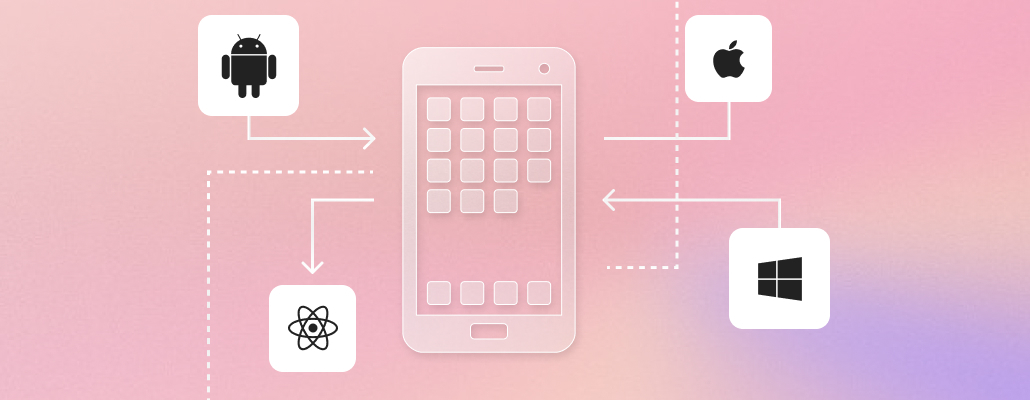
As more people use different devices, it's important for web apps to work well on all of them. WebAssembly helps to build apps that run smoothly on any device or system despite different underlying hardware or operating systems.
Conclusion
In conclusion, WebAssembly is a game-changer in web development. It offers developers a powerful tool to create high-performance web applications. It delivers near-native performances and supports multiple programming languages. It seamlessly integrates with JavaScript and enhances security. With WebAssembly, developers can optimize performance-critical components, easily bring existing codebases to the web, and build cross-platform applications that deliver a consistent user experience across different devices and platforms.
FAQs
1. What is WebAssembly, and why is it important for web development?
WebAssembly, or Wasm, is a technology that helps web applications run faster by allowing developers to use different programming languages, like C or Rust, alongside JavaScript.
2. How does WebAssembly work?
WebAssembly converts code written in programming languages like C, C++, or Rust into a format that web browsers can understand and execute quickly. This enables developers to create web apps that perform at near-native speeds.
3. Can I use WebAssembly with JavaScript?
Yes! WebAssembly works alongside JavaScript. This means you can use WebAssembly to optimize performance-critical parts of your web app while still using JavaScript for other parts.
4. What types of applications can benefit from WebAssembly?
WebAssembly is beneficial for applications that require intensive computational processing, such as gaming, image or video editing, and data processing. However, it can also improve the performance of a wide range of web applications.