Offshoring vs Outsourcing: Which Strategy Boosts Your Bottom Line?

Operating in a globalized business environment, it is no surprise that companies are focused on cutting costs and becoming more efficient to stay competitive. One of the most common strategies has been offshoring and outsourcing. Both offer inherent benefits and power to effect a bottom line of desired outcomes for an organization. However, it is important to be aware of the subtle differences in each approach so that informed choices can be made.
What is Offshoring?
As you know, offshoring is the practice of getting business processes or services moved to another country (more often as a matter of cost advantage). Many companies offshore to places with a less expensive labor market, advantageous economic conditions, or access to rare skills that come at a premium in their domestic workforce. Manufacturing, customer service (including call centers), IT services, and often R&D are typical candidates for offshoring.
What is Outsourcing?
Outsourcing, in contrast to this, includes transferring over the operations or processes of your organization systematically to an external third party located domestically and internationally. Outsourcing exists to provide a service with an absolutely top level of professionalism, at the lowest cost possible, and allows them to focus on their core business. Outsourcing performed in this manner commonly attracts a lot of SME functions such as IT support, payroll processing, human resources, and customer service.
Key Differences: Offshoring Strategy vs Outsourcing Strategy
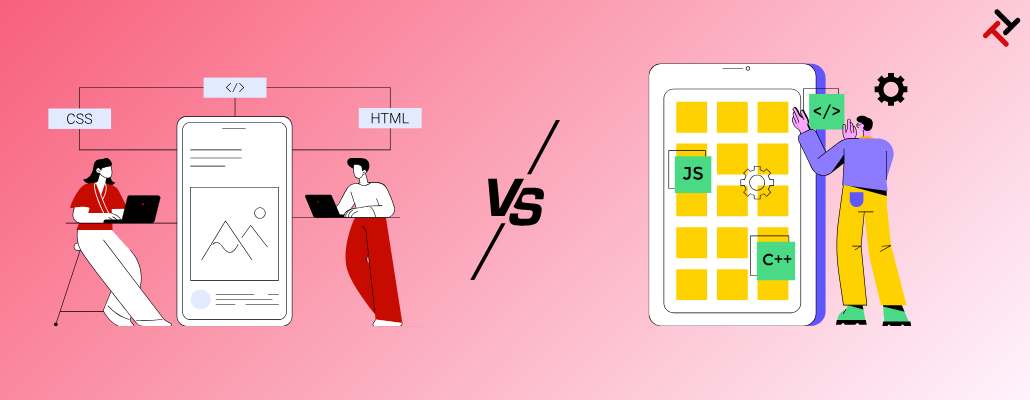
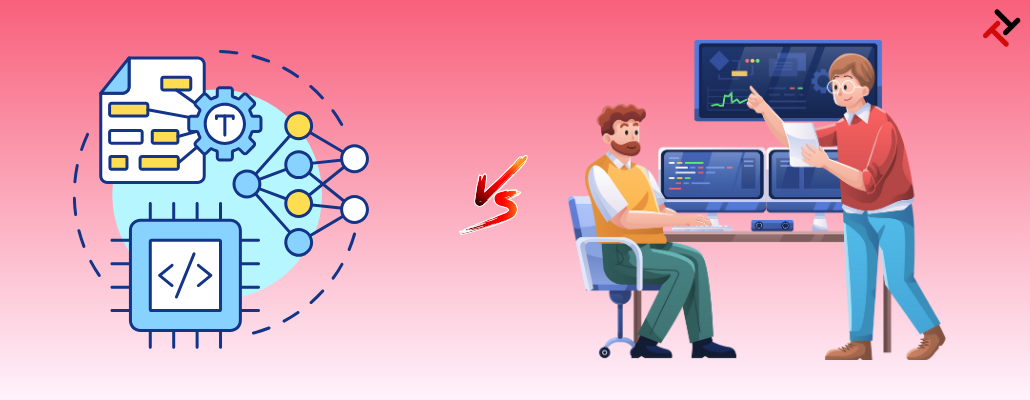
Although offshoring and outsourcing sound synonymous, they both differ in terms of execution and goals. In an extreme case, offshoring means moving everything you are doing in-house out of the country (lower costs), but outsourcing just involves hiring outside vendors for specific jobs, maybe domestic or overseas.
Consulting fees:
- Offshoring: Commonly driven by substantial cost efficiencies as it mostly pertains to labor-intensive industries. Lower wages, overhead, and taxes in offshore locations can be the perfect recipe for company benefit.
- Outsourcing: While outsourcing can be cost-effective as well, the aim is mostly to get specialized skills or services. This by itself may not lower cost but can allow you to tap into great services at a competitive rate.
Control and Management:
- Offshoring: Because offshoring involves sending work out of the country, a company retains control over facilities and processes associated with an operation—including management quality assurance oversight and process standardization. This permits a more end-to-end solution but necessitates both the time and cost of designing offshore servers to remain on standby.
- Outsourcing: Companies hand over some control once they outsource the work to a third-party provider. While this can pose struggles in quality and consistency, it frees up the company to focus on what it does best without having to manage outsourced business functions.
Risk and Compliance:
- Offshoring: One must understand the legal regulations involved… That includes following local labor laws, data protection regulations, and other legal risks.
- Outsourcing: The outsourcing provider typically takes responsibility for compliance with the appropriate regulations, lightening the contracting company's load. This notwithstanding, companies will always need to make sure their outsourcing partners follow the standards and regulations required.
Which Strategy Suits Your Business?
Ultimately, the choice to offshore or outsource (or both) comes down to your business objectives and factors that include industry type, budget, and risk appetite. As tangent is the best affordable software development company for startups. Offshoring may be the best strategy if your primary goal is cost reduction and you have the resources to manage international operations. In contrast, if you are looking to tap into specialized expertise, enhance service quality, or flexibility, then outsourcing may be the answer. A combination of offshoring and traditional outsourcing may be the best option for many companies. By researching your requirements and the advantages of each strategy, you can build an inexpensive code that earns more money for less work!
Conclusion
Offshoring and outsourcing are major strategies that affect the bottom line of a company. You can consult Tangent Technolgoies for any kind of custom software development company for small businesses. Although they are both sound technology choices, decide based on where your business is in terms of resources and need to understand what solution you want. Offshoring, outsourcing, or a combination of the two—no matter which you opt for, both require strategic planning and stringent execution to get your desired results.
FAQs
1. So what is the primary difference between offshoring and outsourcing?
Offshoring is the relocation of a business activity from one country to another—typically an operational process, such as manufacturing or supporting processes (like accounting)—and could be either outsourced or not; it can involve any type of work performed in other countries. The only difference is the place of management and handling processes.
2. What Shall I Go For My Business Offshoring or Outsourcing?
Think about what your company aspires to be, its budgets, and how aggressive (or conservative) it wants to take on a new service like this.
3. What are the dangers of offshoring?
The major risks associated with offshoring are cultural and language differences, time zone differences, political and economic changes in the labor market of these countries, & huge investments for infrastructure setup on the management front.
4. Can offshoring and outsourcing be combined?
True, but a lot of companies use it more in the hybrid way where offshoring is used to help cut costs while outsourcing is well-touted for certain kinds of work.