HealthTech Adoption Trends: What's on the Horizon for Healthcare Technology?
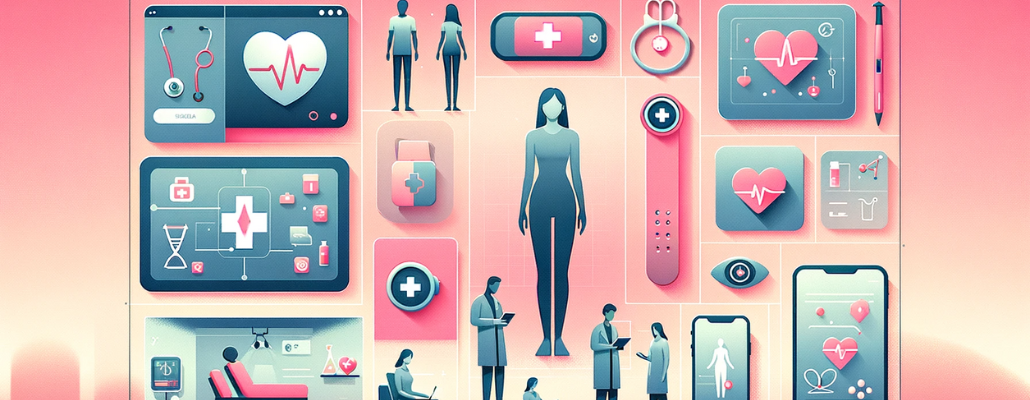
Technological advancements have revolutionized the healthcare industry, improving patient care, increasing efficiency, and enhancing diagnostic capabilities. HealthTech's (Healthcare Technology) rapid evolution reshapes how healthcare is delivered and experienced. However, in this blog, we will explore the current trends and future possibilities in health tech adoption, focusing on innovations shaping healthcare technology's horizon.
Telehealth and Remote Patient Monitoring:
One of the most significant trends in HealthTech is the widespread adoption of telehealth services and remote patient monitoring. The COVID-19 pandemic accelerated the acceptance of virtual healthcare visits, allowing patients to consult with healthcare providers from the comfort of their homes. Hence, this trend is more likely to continue, offering increased accessibility to healthcare services, especially for those in remote or underserved areas.
Wearable Technology:
The integration of wearable devices in healthcare has become increasingly popular. From fitness trackers to smartwatches with health monitoring features, these wearables provide real-time data on various health metrics. Hence, continuous monitoring of vital signs, physical activity, and sleep patterns allows for proactive healthcare management, empowering individuals to take charge of their well-being.
Artificial Intelligence (AI) in Diagnostics:
AI is making significant strides in the field of diagnostics. Machine learning algorithms can analyze complex medical data, including imaging and genomic information, to assist healthcare professionals in diagnosing diseases more accurately and efficiently. Hence, AI applications enhance early detection, improve treatment plans, and streamline diagnostic processes.
Blockchain for Data Security:
As electronic health records become more prevalent, ensuring the security and privacy of patient data is paramount. However, blockchain technology offers a decentralized and secure way to manage health data, reducing the risk of data breaches and unauthorized access. However, adopting blockchain in healthcare enhances data integrity, interoperability, and cybersecurity.
3D Printing in Healthcare:
3D printing technology is transforming various aspects of healthcare, from producing customized prosthetics to creating patient-specific surgical models. Hence, this innovative approach allows for precision in medical interventions, reduces surgical risks, and enhances the overall efficiency of healthcare procedures.
Robotics in Surgery:
Robotic-assisted surgery is gaining popularity, enabling surgeons to perform minimally invasive procedures with enhanced precision. However, surgeons can control robots from a console, offering improved dexterity and visualization during surgeries. Hence, this technology minimizes patient recovery times and reduces the invasiveness of specific medical interventions.
Personalized Medicine:
Advancements in genomics and molecular biology are paving the way for personalized medicine. Tailoring medical treatments to an individual's genetic makeup allows for more targeted and effective interventions. However, this approach not only improves treatment outcomes but also minimizes adverse effects by considering the unique genetic characteristics of each patient.
IoMT (Internet of Medical Things):
The Internet of Things (IoT) has found extensive applications in healthcare through IoMT. Connected medical devices and sensors facilitate real-time monitoring and data collection. Hence, this connectivity enables healthcare professionals to track patient health, manage chronic conditions, and respond promptly to potential health issues.
Augmented Reality (AR) and Virtual Reality (VR) in Training and Therapy:
AR and VR technologies are utilized for medical training, providing immersive and realistic simulations for healthcare professionals. Additionally, these technologies are employed in patient therapy, offering innovative solutions for pain management, mental health treatment, and rehabilitation.
Focus on Mental Health Tech:
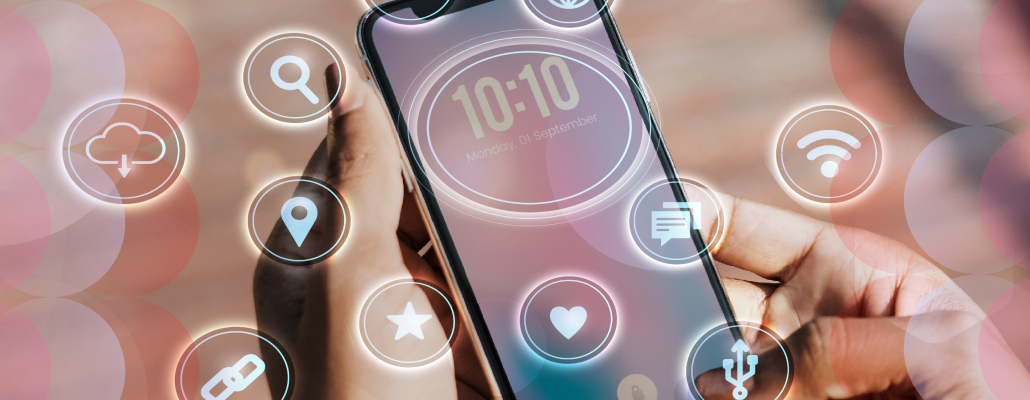
As awareness of mental health issues grows, so does the development of mental health technologies. However, mobile applications, online platforms, and wearable devices that monitor and support mental well-being are becoming increasingly prevalent. Hence, these tools aim to provide accessible resources for individuals seeking mental health support and contribute to the destigmatization of mental health challenges.
Conclusion:
The future of HealthTech holds immense promise, with ongoing developments expected to transform the healthcare landscape. From telehealth and wearable technology to AI-driven diagnostics and personalized medicine, these trends drive innovation, improve patient outcomes, and increase healthcare delivery efficiency. As technology continues to advance, the collaboration between healthcare professionals, technologists, and policymakers will be crucial in harnessing the full potential of HealthTech for the betterment of global health.