Building High-Performing Cross-Functional Product Development Teams

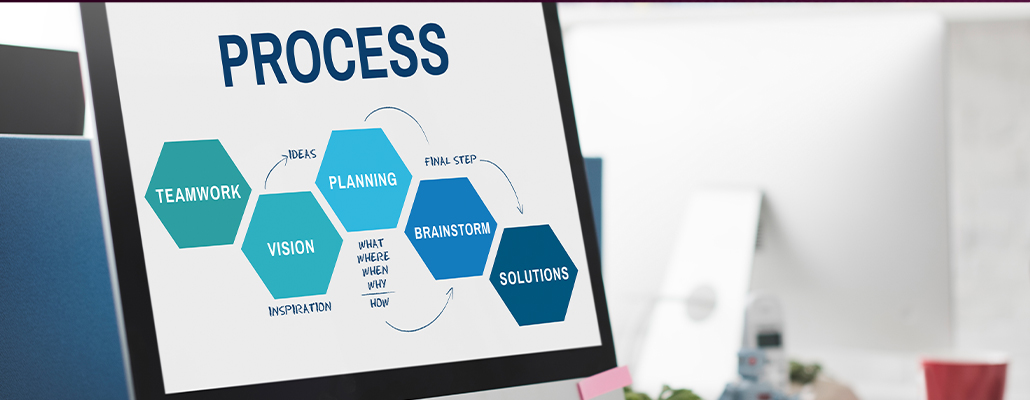
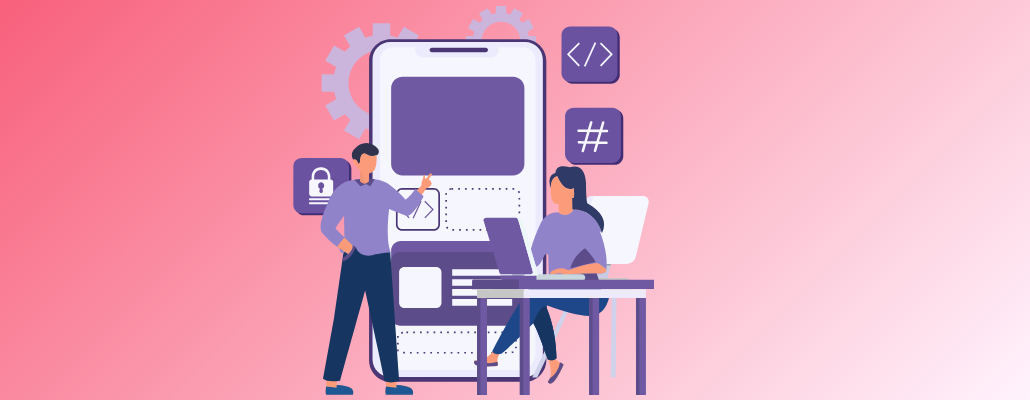
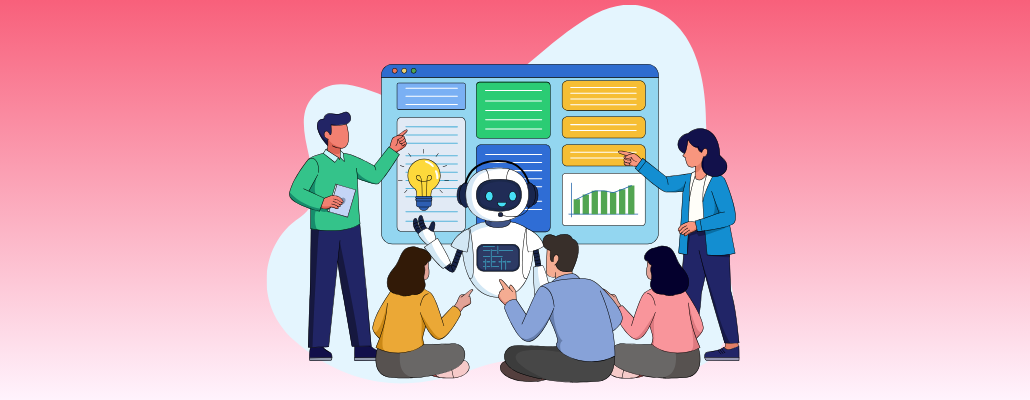
In today's fast-paced business environment, successful product development relies on the synergy of diverse skills and expertise. Cross-functional teams, comprised of individuals with varied backgrounds and abilities, have proven to be instrumental in driving innovation and delivering high-quality products. However, creating and sustaining high-performing cross-functional product development teams requires strategic planning, effective communication, and a culture that fosters collaboration.
Strategic Team Composition:
Building a successful cross-functional team starts with carefully selecting members based on their unique skills and experiences. However, a well-rounded team typically includes individuals from different departments, such as engineering, design, marketing, and quality assurance. Hence, each member should bring a distinct perspective to the table, ensuring comprehensive problem-solving and creativity.
Clear Goals and Objectives:
Additionally, establishing clear and measurable goals is essential for team alignment. Define the product vision, set specific objectives, and communicate expectations to ensure that everyone understands the team's purpose and the desired outcomes. However, regularly revisit and refine these goals as the project progresses to maintain focus and adapt to changing circumstances.
Effective Communication:
Communication is the lifeblood of cross-functional teams. Implementing open and transparent communication channels helps in sharing insights, updates, and challenges. However, utilize collaboration tools, conduct regular team meetings, and encourage an environment where team members feel comfortable expressing their ideas and concerns. Effective communication enhances synergy and fosters a sense of collective ownership over the project.
Agile Methodologies:
Embrace agile methodologies to promote flexibility and responsiveness. Agile frameworks like Scrum or Kanban enable teams to adapt to changing requirements, prioritize tasks efficiently, and deliver incremental value. Hence, regular retrospectives allow teams to reflect on their processes, identify areas for improvement, and continuously optimize their workflow.
Empowerment and Autonomy:
Foster a culture of empowerment, where team members are encouraged to take ownership of their tasks. However, provide autonomy within a framework of accountability, allowing individuals to make decisions that align with their expertise. Empowered teams are more likely to innovate and find creative solutions to challenges.
Diversity and Inclusion:
Diversity in skills, backgrounds, and perspectives contributes to a richer pool of ideas and solutions. Embrace a culture of inclusion that values and respects each team member's unique contributions. However, recognize the importance of diversity not only in gender and ethnicity but also in terms of cognitive diversity varied ways of thinking and problem-solving.
Continuous Learning:
Encourage a mindset of continuous learning and improvement. Provide opportunities for skill development, training, and knowledge sharing within the team. However, this enhances individual capabilities and strengthens the team's overall expertise, making them more adaptable to emerging technologies and industry trends.
Feedback Mechanisms:
Establish regular feedback mechanisms to facilitate constructive criticism and praise. Feedback should be timely, specific, and focused on improvement. However, this iterative process helps team members refine their skills, enhances collaboration, and contributes to the team's overall growth.
Celebrating Successes:
Acknowledge and celebrate both individual and team successes. Recognition boosts morale, fosters a positive team culture, and reinforces the value of collaborative efforts. By highlighting achievements, you motivate team members and create a sense of pride in their work.
Adaptability and Resilience:
In the dynamic product development landscape, adaptability and resilience are key attributes. Equip your team with the ability to embrace change, learn from failures, and pivot when necessary. A resilient team is better positioned to navigate challenges and emerge stronger from setbacks.
Conclusion:
In conclusion, building high-performing cross-functional product development teams requires a strategic approach that encompasses diverse skills, effective communication, and a culture of collaboration. However, by fostering a team environment that values continuous improvement, diversity, and inclusion, organizations can harness the full potential of cross-functional teams to drive innovation and successfully bring products to market. For more latest blogs and updates regarding product design and product development, keep visit Tangent Blogs.