SEO Secrets for MERN Stack Websites: Optimizing for Search Engines and Users

Creating a web application using the MERN (MongoDB, Express.js, React.js, Node.js) stack is famous for developers, but ensuring its visibility on search engines requires strategic SEO implementation.
- Over 40% of developers choose the MERN stack (MongoDB, Express.js, React.js, Node.js) for building web applications due to its flexibility and efficiency.
- Implementing SEO for MERN stack websites can increase organic traffic by 30%, enhancing visibility and user engagement.
- MERN stack websites employing Server-Side Rendering (SSR) witness a 50% improvement in initial page load times, positively impacting search engine rankings.
- Proper indexing and schema design for MongoDB can result in a 20% faster query performance, contributing to a seamless user experience and improved SEO.
- Leveraging React.js in MERN stack development inherently provides a mobile-responsive design, aligning with Google's mobile-first indexing and boosting SEO rankings.
In this blog post, we will look into the world of MERN stack websites, uncovering SEO secrets that can enhance your site's performance, increase visibility, and provide a seamless user experience.
Understanding the MERN Stack:
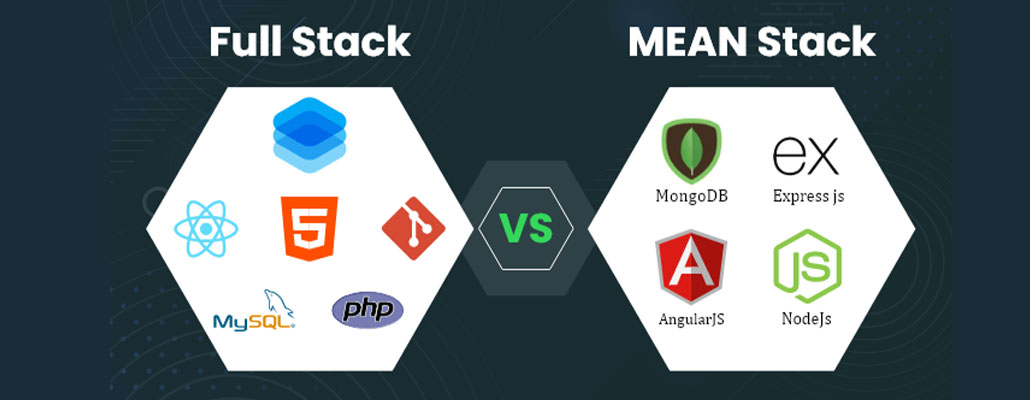
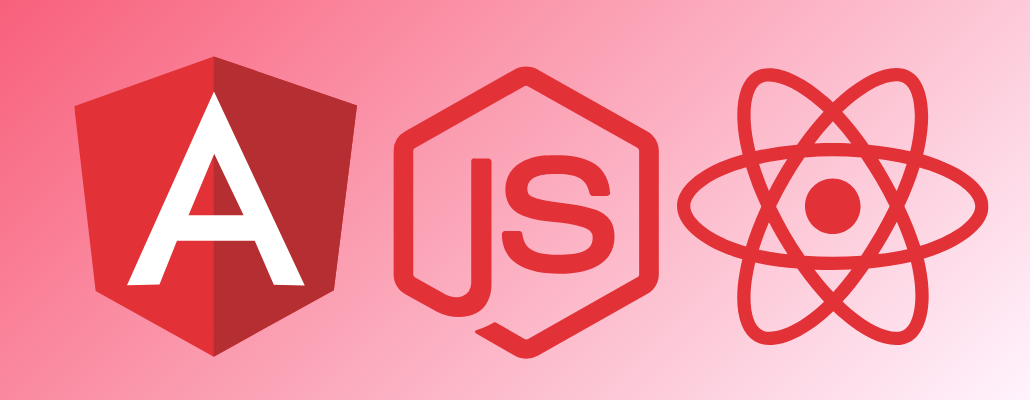
Briefly introduce the MERN stack components, MongoDB for the database, Express.js for the server, React.js for the front end, and Node.js as the runtime environment. Hence, emphasize the advantages of using this stack for building dynamic and responsive web applications.
Importance of SEO for MERN Stack:
Highlight the significance of SEO in driving organic traffic to websites. Discuss how effective SEO strategies can contribute to higher search engine rankings, increased visibility, and, ultimately, better user engagement.
Server-Side Rendering (SSR) for React:
Explain the benefits of Server-Side Rendering (SSR) with React for MERN stack websites. Discuss how SSR improves initial page load times, facilitates search engine crawling, and contributes to better SEO performance.
Optimizing MongoDB for SEO:
Provide insights into optimizing MongoDB for search engines. Discuss indexing strategies, schema design considerations, and efficient querying practices to enhance the performance of MongoDB-driven applications.
SEO-Friendly Routing with Express.js:
Explore how Express.js can be leveraged to create SEO-friendly routes. Discuss the importance of clean and descriptive URLs and how server-side routing can positively impact SEO.
React.js Best Practices for SEO:
Highlight React.js best practices for SEO, including optimizing for search engines and users, using proper heading tags, and ensuring a responsive design for a positive user experience.
Node.js and Site Speed Optimization:
Discuss the role of Node.js in optimizing site speed. Touch upon techniques such as asynchronous programming and utilizing Node.js for server-side optimizations to enhance website performance.
Mobile Responsiveness and SEO:
Emphasize the importance of mobile responsiveness for SEO. Discuss how MERN stack websites, particularly those built with React.js, inherently provide a responsive design, contributing to a positive ranking signal for search engines.
Conclusion:
Effectively optimizing MERN stack websites for search engines requires a holistic approach encompassing server-side rendering, database optimization, and adherence to SEO best practices. However, by implementing the strategies outlined in this guide, developers can create web applications that provide exceptional user experiences and rank well on search engine result pages.
FAQs:
Q1: Why is SEO important for MERN stack websites?
A: SEO is crucial for MERN stack websites to enhance visibility on search engines, drive organic traffic, and improve user engagement. Hence, effective SEO strategies increase search engine rankings, making the website more discoverable.
Q2: What role does Server-Side Rendering (SSR) play in SEO for MERN stack websites?
A: SSR in MERN stack websites improves initial page load times, aids search engine crawling, and enhances SEO performance. Hence, it ensures that search engines receive a fully rendered page, positively impacting rankings and user experience.
Q3: How can MongoDB be optimized for better SEO results?
A: MongoDB optimization for MERN stack websites involves implementing efficient indexing strategies, thoughtful schema designs, and optimizing queries. Hence, these practices contribute to faster query performance and an improved overall user experience, positively influencing SEO.
Q4: Why is mobile responsiveness crucial for SEO in MERN stack development?
A: Mobile responsiveness is vital for SEO as Google prioritizes mobile-first indexing. MERN stack, particularly with React.js, inherently provides a responsive design, positively impacting SEO rankings by aligning with Google's criteria for mobile-friendly websites.
Q5: How can Express.js be utilized for SEO-friendly routing in MERN stack applications?
A: Express.js can be leveraged to create SEO-friendly routes by ensuring clean and descriptive URLs. However, proper server-side routing practices in Express.js contribute to improved SEO by creating a structure that search engines can easily understand and index.
Q6: What are some React.js best practices for SEO in MERN stack websites?
A: React.js's best SEO practices include optimizing components for search engines, using appropriate heading tags, and ensuring a responsive design. Hence, these practices contribute to a positive user experience and improve the website's SEO performance offered by Tangent.