HMIS: Bridging the Gap Between Healthcare Providers and Patients
HMIS stands for Health Management Information System. It is a broad term that covers all technology-related solutions in healthcare. It involves a variety of services, including patient care, administrative functions, financial aspects, and any other activity that needs to be addressed in healthcare. Through HIMS, the quality of healthcare delivery has been improved, and the gap between healthcare providers and patients has been bridged. It is an emerging field and holds a lot of scope for the coming decades. In this blog, lets delve into the HMIS is playing in revolutionizing healthcare.
What is HMIS?
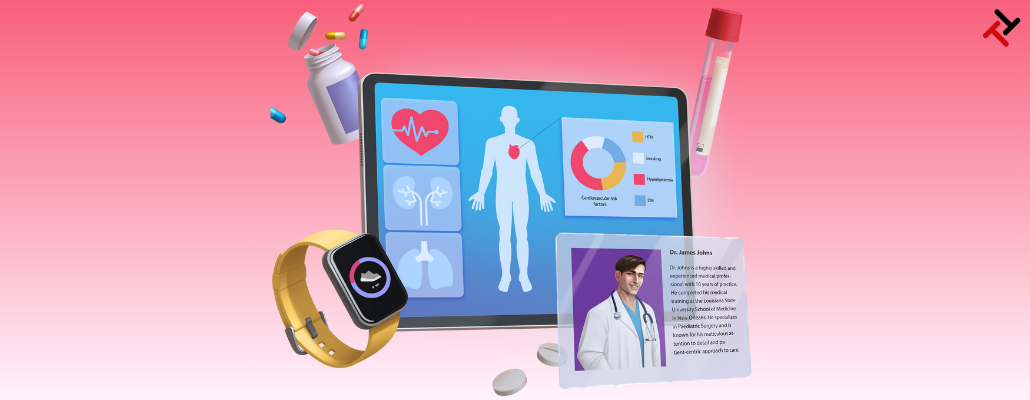
HMIS is basically a comprehensive system that is designed to perform a number of different activities by incorporating technology in healthcare. Electronic health record (EHR), scheduling appointments, managing bills, reporting and clinical decision support is all included in the services of HMIS.
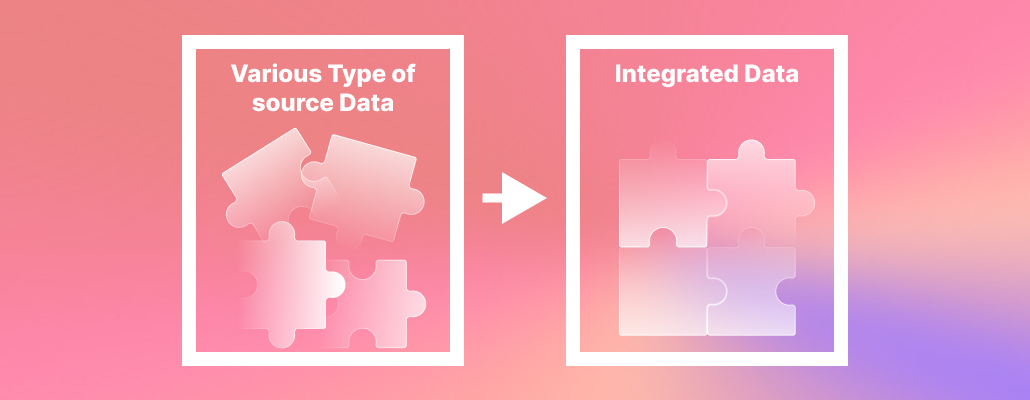
HMIS has digitized healthcare delivery by centralizing patient information. The inefficiencies associated with paper-based records have been eliminated by enabling seamless information exchange across healthcare settings.
Empowering Healthcare Providers
HMIS empowers healthcare providers and allows them to deliver services efficiently with a lesser probability of making mistakes. It is a tool that optimizes patient care delivery by providing easy and quick access to patient records. Clinicians can make well-informed decisions while also enhancing treatment outcomes.
HMIS has also facilitated the collaboration between different disciplinary teams, improving the coordination of care plans. It has also been able to make the transition between care settings easier.
Moreover, HMIS comes with a clinical decision support system that assists healthcare providers in diagnosing conditions, and prescribing medications while also adhering to evidence-based guidelines. Ultimately, it improves the quality and safety of patient care.
Enhancing Patient Engagement
HMIS not only empowers healthcare providers but also patients. It enhances patient engagement by allowing them to access their health records online, review test results, or request prescription refills. It also allows secure communication with healthcare providers through patient portals. This ensures transparency, which strengthens patients’ trust in digital systems as the patients have access to their information and play an active role in decision-making. Their engagement and empowerment lead to patient satisfaction.
HMIS provides remote monitoring and telehealth services that allow patients to receive healthcare conveniently from the comfort of their homes. Telehealth services are on the rise, and telemedicine is getting much-needed recognition as it provides healthcare services in remote areas where access to professional healthcare providers might be scarce.
Bridging the Gap
Perhaps the most significant impact of HMIS is its ability to bridge the gap between healthcare providers and patients. By facilitating communication and information exchange, HMIS allows a collaborative healthcare ecosystem. Healthcare providers can share relevant information with patients in real-time while also involving them in decision-making processes. The plans are also tailored to their individual needs, personalizing the experience. The connectivity not only improves patient outcomes but also strengthens the patient-provider relationship, leading to higher levels of trust and satisfaction.
Conclusion
In conclusion, HMIS changes how healthcare works by making information easier to use and share. It helps doctors and patients communicate better, making healthcare more about the patient. To ensure that HMIS keeps helping, we need to focus on keeping data safe and private and making sure different systems can work together well. This way, HMIS can keep making healthcare better for everyone.
FAQs
1. What is HMIS?
HMIS stands for Health Management Information System. It is a comprehensive system that digitally captures and stores information. HIMS digitizes healthcare activities, including EHR, Appointment scheduling, and billing.
2. How does HMIS benefit healthcare providers?
HMIS enhances the efficiency and effectiveness of healthcare delivery. It provides instant access to patient records and facilitates collaboration among care teams. It streamlines administrative tasks such as billing and scheduling and assists in clinical decision-making through features like clinical decision-support systems.
3. How does HMIS empower patients?
HMIS empowers patients by giving them access to their online health records through secure portals. They can also talk to their doctors online and participate in decisions about their health. Plus, it lets them get medical care from far away using video calls, making it easier and more convenient.
4. What role does HMIS play in bridging the gap between healthcare providers and patients?
HMIS fosters a collaborative healthcare ecosystem. It facilitates communication and information exchange between healthcare providers and patients. It enables providers to share relevant information with patients in real-time, involving them in decision-making processes.