SaaS Integration: Maximizing the Potential of Software as a Service
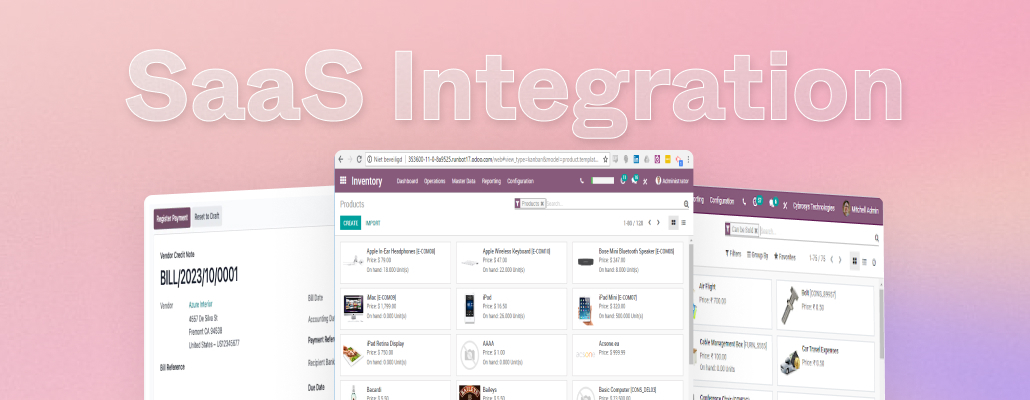
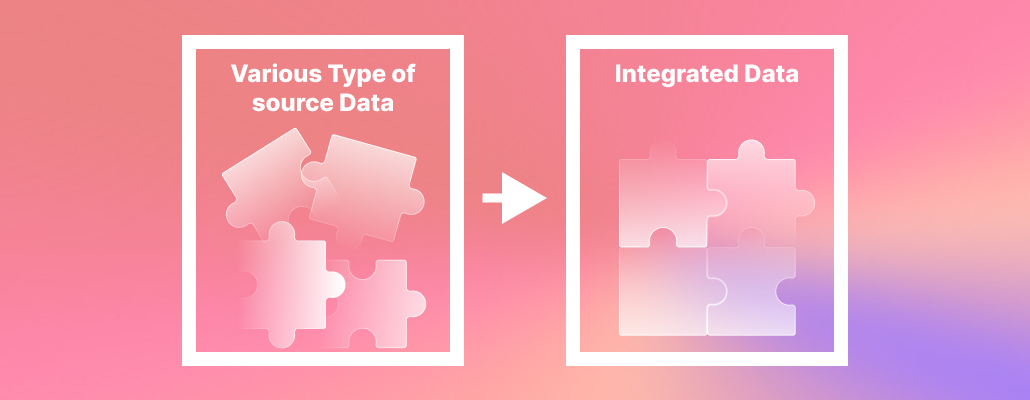
In the ever-evolving digital technology landscape, Software as a Service (SaaS) has emerged as a game-changer for businesses, offering flexible and scalable solutions. However, the true potential of SaaS is often realized when it is seamlessly integrated into existing workflows. Let's explore the world of SaaS integration and understand how it can unlock the full capabilities of these cloud-based services.
Understanding Software as a Service (SaaS)
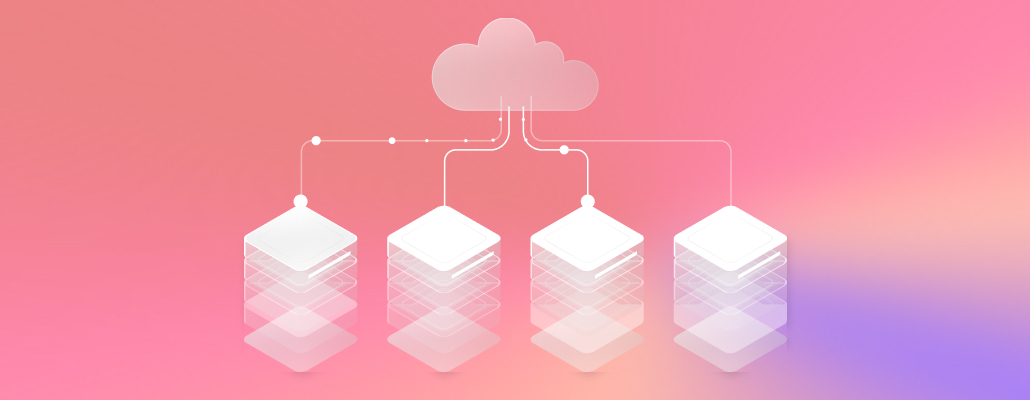
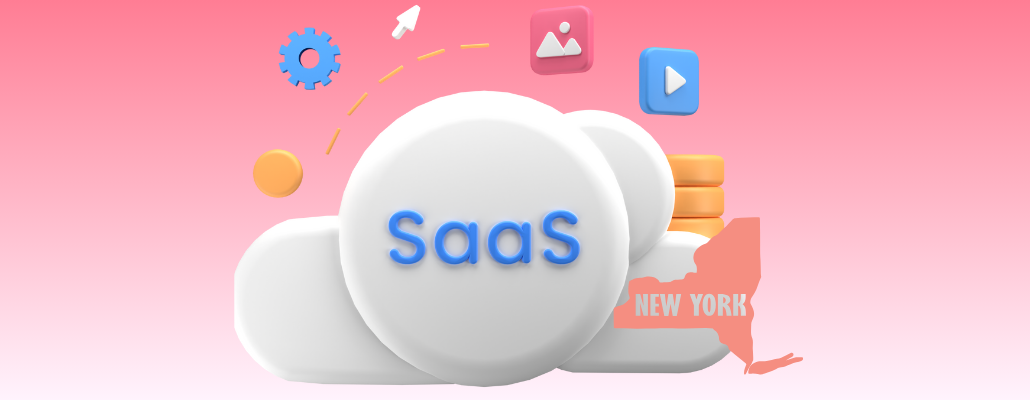
At its core, SaaS is a software distribution model where applications are hosted by a third-party provider and made available to users over the Internet. Instead of traditional software installations, users can access SaaS applications through a web browser, eliminating the need for complex structures and updates.
The Power of SaaS Integration
1. Streamlining Workflows
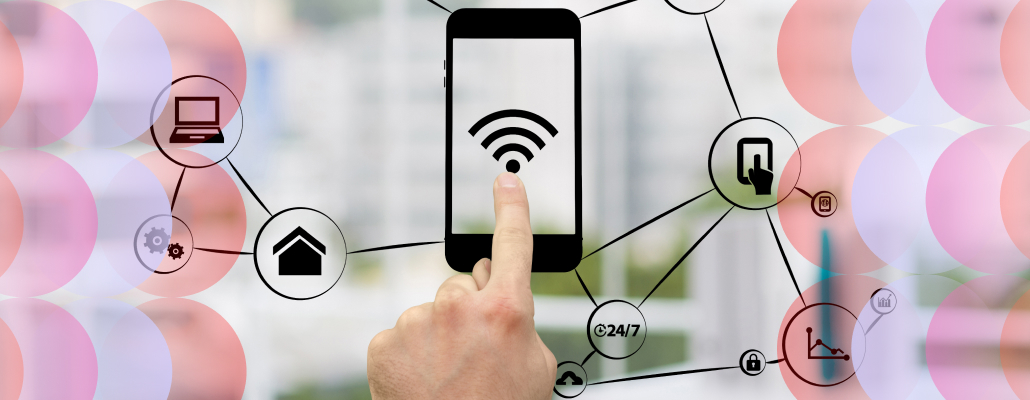
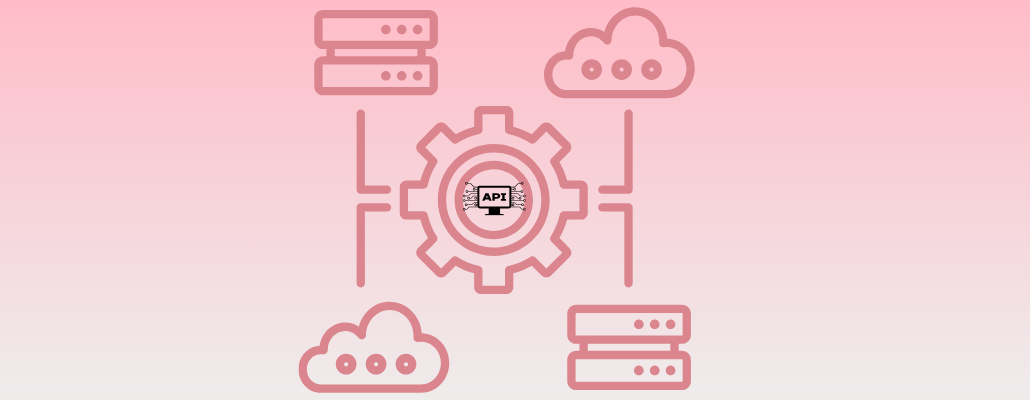
SaaS integration is like connecting the dots within your digital ecosystem. However, it allows different SaaS applications to communicate and share data seamlessly. Hence, this streamlines workflows by eliminating manual data entry and reducing the risk of errors. For example, integrating a customer relationship management (CRM) SaaS with an email marketing tool ensures that customer data is consistent across platforms.
2. Real-time Collaboration
Collaboration is at the heart of many SaaS applications, and integration takes it a step further. Whether it's project management, document collaboration, or communication tools, integrating these services enables real-time collaboration. Hence, Team members can work on shared documents, update project statuses, and communicate effortlessly, fostering a more connected and efficient work environment.
3. Data Accuracy and Consistency
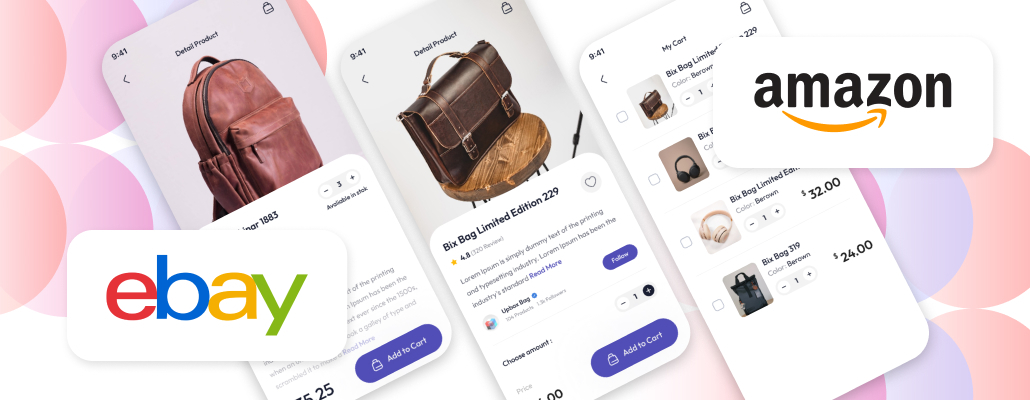
Integrating SaaS solutions ensures that data is accurate and consistent across different platforms. For instance, integrating an e-commerce platform with an inventory management SaaS guarantees that product availability and pricing information are always up-to-date. This accuracy is vital for making informed business decisions and providing a seamless experience for customers.
4. Enhanced Productivity
Automation is a crucial benefit of SaaS integration. However, repetitive and time-consuming tasks can be automated by connecting SaaS applications. For example, integrating a customer support SaaS with a ticketing system can automate the creation of support tickets based on customer inquiries, reducing manual intervention and boosting overall productivity.
5. Scalability and Flexibility
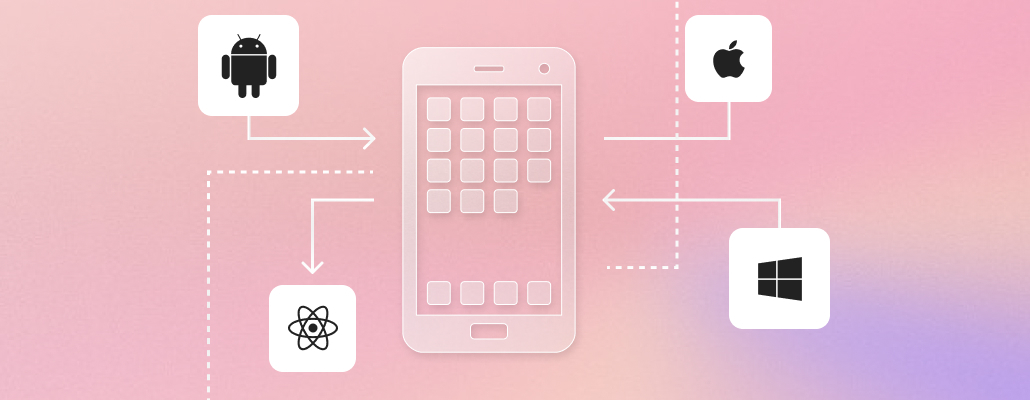
SaaS integration provides scalability as businesses grow. However, new applications can be seamlessly integrated into the existing infrastructure, allowing organizations to adapt to changing needs quickly. Hence, this flexibility is especially beneficial for startups and growing enterprises that need agile solutions to keep pace with their evolving requirements.
Challenges and Solutions in SaaS Integration
1. Compatibility Issues
Different SaaS applications may have varying data formats and structures, posing a challenge to integration. However, to overcome this, middleware solutions can be employed to act as a bridge between disparate systems, translating data formats and ensuring smooth communication.
2. Security Concerns
Security is a top priority when integrating SaaS solutions. However, choosing SaaS providers that adhere to robust security standards and employ encryption technologies is crucial. Additionally, implementing single sign-on (SSO) solutions can enhance user authentication and access control.
3. Customization Requirements
Not all out-of-the-box integrations may perfectly align with a business's unique needs. However, Customization might be necessary to tailor the integration to specific workflows. Hence, working closely with experienced integration specialists can help companies to achieve a bespoke and effective solution.
Case Studies: Realizing the Benefits of SaaS Integration
1. Sales and Marketing Integration
Imagine integrating a customer relationship management (CRM) tool with an email marketing SaaS. This integration allows for seamless lead nurturing, where customer interactions in the CRM automatically trigger targeted email campaigns. Hence, the result is a more personalized and effective sales and marketing strategy.
2. Finance and HR Collaboration
Integrating finance and human resources SaaS applications enables better financial planning and budget management. For instance, linking accounting software with an employee payroll system ensures that financial data is automatically updated, reducing the risk of errors and providing a holistic view of organizational expenses.
Conclusion: The Future of SaaS Integration
SaaS integration is not just a technological enhancement; it's a strategic imperative for businesses aiming to thrive in the digital era. However, by harnessing the power of integration, organizations can unlock the full potential of their SaaS investments, creating a more connected, efficient, and agile business environment. As technology continues to evolve, the seamless integration of SaaS solutions will play a pivotal role in shaping the future of how businesses operate and innovate. Visit Tangent blog for more articles related to SaaS and SaaS integration.