Mobile App Integration: Creating a Seamless User Experience

Creating a mobile app with a seamless user experience involves integrating various elements to work together harmoniously. In simple terms, mobile app integration ensures that different features and functions within the app cooperate smoothly, providing users with a hassle-free and enjoyable experience. Let's delve into the concept of mobile app integration in more detail.
1. Understanding Mobile App Integration:
Mobile app integration is like assembling puzzle pieces, where each element represents a different aspect or feature of the app. The goal is to connect these pieces seamlessly so that the entire app functions as a cohesive unit. It's about making sure that users can transition effortlessly from one part of the app to another without disruptions.
2. Why is Integration Important?
Integration is critical for the success of a mobile app for several reasons:
User Convenience:
Seamless integration enhances the user experience by eliminating unnecessary hurdles. Hence, users can smoothly navigate through the app, accessing various features without feeling frustrated.
Efficiency:
When different app components integrate seamlessly, it improves overall efficiency. However, tasks and processes become streamlined, contributing to a more responsive and faster app.
Increased Functionality:
Integration enables different features to work together synergistically, providing users with broader functionalities. Hence, this enhances the app's overall value proposition.
3. Examples of Mobile App Integration:
Social Media Integration:
Many apps allow users to log in or share content through their social media accounts. Hence, this integration enhances user engagement and connectivity.
Payment Integration:
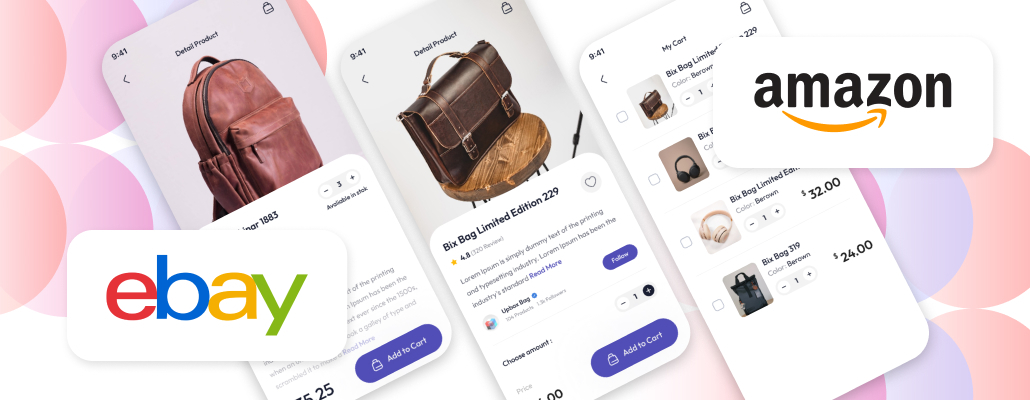
E-commerce apps often integrate payment systems, enabling users to make purchases directly within the app without being redirected to external websites.
Location Services Integration:
Apps can use location data to provide personalized services or content based on the user's current location. For example, a weather app can give local forecasts.
4. Benefits of Seamless Integration:
User Satisfaction:
A seamlessly integrated app translates into a positive user experience. However, when users encounter no issues moving through the app, it increases their satisfaction and likelihood of continued use.
Competitive Advantage:
Providing a smooth and integrated experience in a crowded app market can set an app apart from competitors. However, users are likelier to choose and stick with an app that offers a hassle-free experience.
Brand Loyalty:
Users tend to be loyal to apps that consistently deliver a seamless experience. However, if an app becomes a reliable part of a user's routine, they are likelier to remain faithful to that brand.
5. How to Achieve Seamless Integration:
Application Programming Interfaces (APIs):
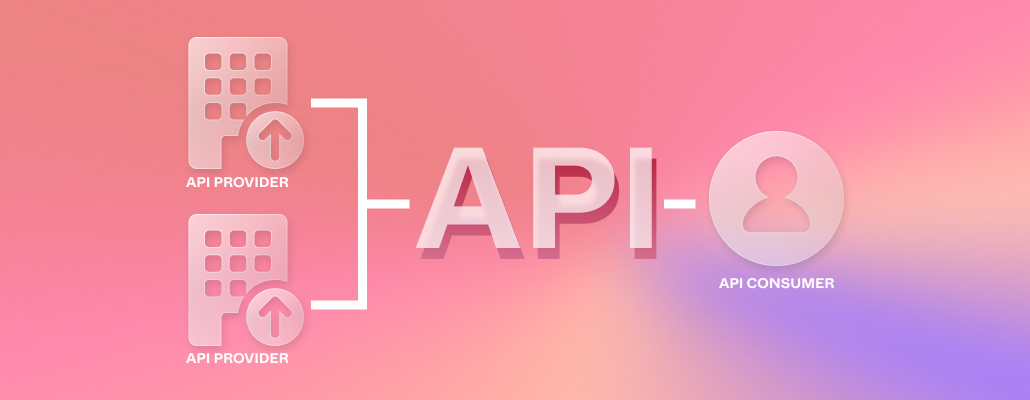
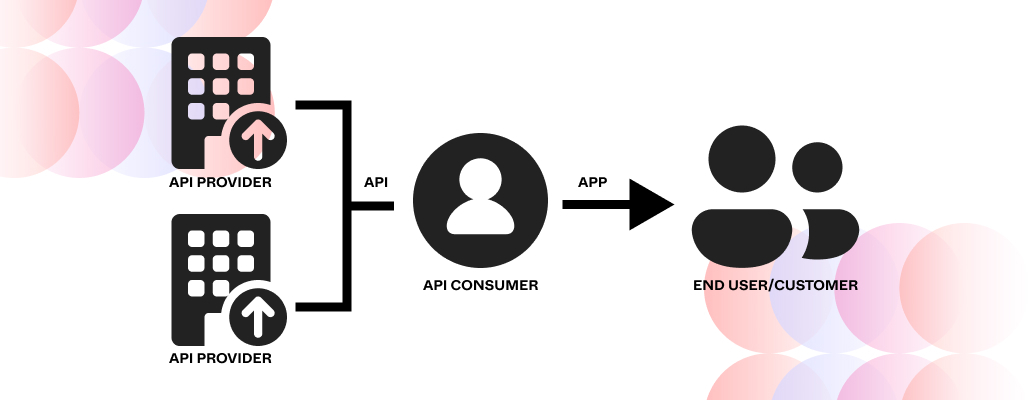
APIs act as bridges that allow different software components to communicate with each other. Hence, they define how different app parts can interact, ensuring smooth data exchange.
Testing:
Rigorous testing is crucial to identify and address any issues arising during integration. Hence, thorough testing helps ensure that the app performs optimally, providing a seamless experience to end-users.
User Feedback:
Incorporating user feedback is an ongoing process. However, listening to user experiences and addressing any concerns related to integration can lead to continuous improvement and refinement of the app.
6. Real-World Example:
Let's consider a food delivery app. Seamless integration would mean that users can effortlessly browse restaurants, select items, add them to the cart, and complete the payment process without encountering any glitches. Additionally, the app might integrate with mapping services to provide real-time delivery tracking, offering a comprehensive and smooth user experience.
7. Conclusion:
In essence, mobile app integration is about ensuring that all the gears in the machinery of an app work together harmoniously. Also, when different components integrate seamlessly, users have a pleasant and straightforward experience, making them more likely to engage with and continue using the app.
Developers and designers play a crucial role in achieving this integration, using tools like APIs and thorough testing to create a unified and user-friendly app. Hence, the ultimate goal is to provide users with an experience that feels natural, intuitive, and enjoyable, encouraging them to make the app a regular part of their digital journey. However, mobile app integration is not just about features; it's about creating a digital environment where everything works together seamlessly for the user's benefit. Continue your tech journey with Tangent blogs.