Revolutionizing User Experiences Through Trends in Modern Web Application Development
Revolutionizing user experiences in modern web application development involves staying abreast of the latest trends and adopting innovative approaches.
- Progressive Web app (PWA) adoption has surged. PWAs provide native app-like experiences within web browsers and boost user engagement with offline functionality and push notifications.
- Single-page applications (SPAs) have become dominant, leveraging frameworks like React and Vue.js to deliver seamless user experiences through dynamic content updates and faster loading times.
- Serverless architecture has gained popularity. However, it allows developers to focus on code rather than infrastructure management, leading to scalable and cost-effective solutions.
- Real-time WebSockets features have become prevalent, enabling instant updates and enhancing user interactivity in modern web applications.
- GraphQL's adoption has grown. Hence, it offers a more efficient alternative to traditional REST APIs by allowing clients to request only the necessary data, minimizing over-fetching and under-fetching.
However, here are some key trends that have been shaping the landscape of web application development:
Progressive Web Apps (PWAs):
- PWAs provide a native app-like experience within a web browser.
- They offer offline functionality, push notifications, and fast loading times.
- By leveraging service workers, PWAs enhance performance and user engagement.
Single Page Applications (SPAs):
- SPAs load a single HTML page and dynamically update content as users interact with the application.
- Frameworks like React, Angular, and Vue.js enable developers to build efficient SPAs.
- SPAs contribute to faster load times and smoother user experiences.
Responsive Design and Mobile-First Approach:
- Designing applications with a mobile-first approach ensures a seamless experience across various devices.
- Responsive design adapts the user interface to different screen sizes, improving accessibility.
Serverless Architecture:
- Serverless computing eliminates the need for managing infrastructure, allowing developers to focus on code.
- However, AWS Lambda and Azure Functions enable scalable and cost-effective solutions.
Real-Time Features with WebSockets:
- Implementing real-time features using WebSockets enhances user engagement.
- However, webSockets facilitate bidirectional communication between the server and the client, enabling instant updates.
API-First Development:
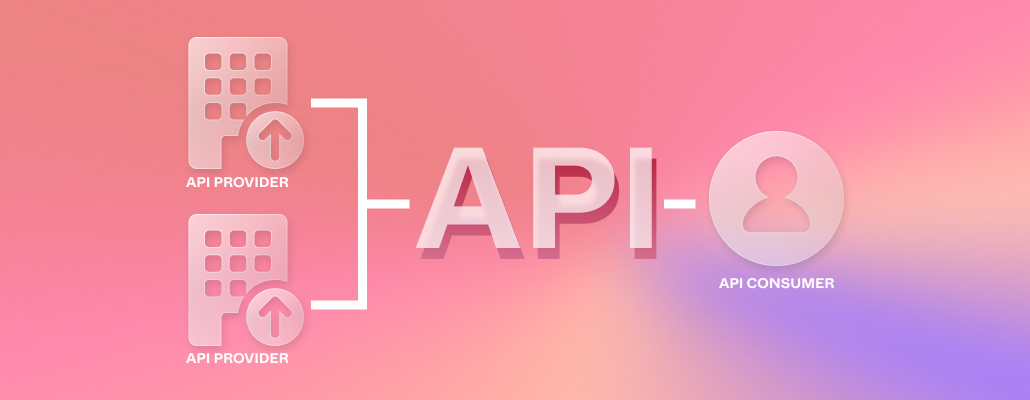
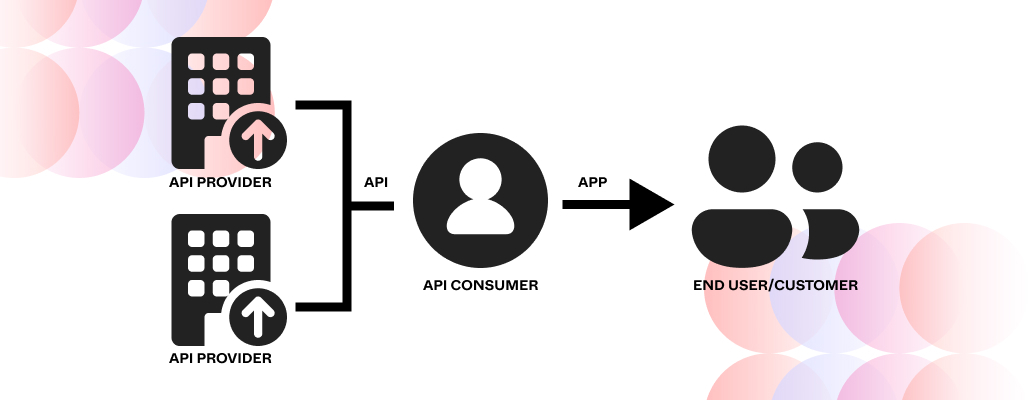
- API-first development involves designing the application's API before the user interface.
- Hence, this approach supports flexibility, scalability, and easier integration with other systems.
Microservices Architecture:
- Breaking down applications into more minor, independent services promotes scalability and easier maintenance.
- Moreover, microservices allow for the deployment of individual components, reducing the impact of changes on the entire application.
GraphQL for Efficient Data Fetching:
- GraphQL enables clients to request only the needed data, reducing over-fetching or under-fetching of data.
- However, it provides a more efficient alternative to traditional REST APIs for fetching and updating data.
Motion UI and Animations:
- Motion UI and subtle animations improve the visual appeal and user experience.
- However, CSS animations and JavaScript libraries like GreenSock Animation Platform (GSAP) are commonly used.
Artificial Intelligence (AI) and Machine Learning (ML) Integration:
- AI and ML can personalize user experiences, enhance recommendation engines, and automate repetitive tasks.
- Hence, integrating chatbots and virtual assistants powered by AI improves user interaction.
Enhanced Security Measures:
- With the increasing frequency of cyber threats, security is a top priority.
- However, implementing HTTPS, ensuring data encryption, and regularly updating security protocols are crucial for protecting user information.
Accessibility and Inclusive Design:
- Developing applications with accessibility in mind ensures a positive user experience for individuals with disabilities.
- Hence, following Web Content Accessibility Guidelines (WCAG) and testing for accessibility are integral to modern web development.
Hence, by incorporating these web application development trends, businesses can provide users with cutting-edge, responsive, and engaging experiences that meet the evolving expectations of the digital landscape.
FAQs:
Q1: What are Progressive Web Apps (PWAs), and how do they revolutionize user experiences in web development?
A: PWAs combine the best web and mobile applications, delivering fast and engaging experiences within web browsers. However, they support features like offline functionality and push notifications, enhancing user engagement and providing a native app-like feel.
Q2: How does adopting single-page applications (SPAs) contribute to improved user experiences in web development?
A: SPAs load a single HTML page and dynamically update content as users interact, leading to faster load times and smoother experiences. Hence, React and Vue.js enable developers to build efficient SPAs, providing a more responsive and interactive user interface.
Q3: What role does serverless architecture play in modern web application development, and how does it impact user experiences?
A: Serverless architecture eliminates the need for infrastructure management, allowing developers to focus solely on writing code. However, this approach facilitates scalability and cost-effectiveness, improving application performance and user experiences.
Q4: How do WebSockets' real-time features enhance user interactivity in web applications?
A: WebSockets enable bidirectional communication between the server and the client, facilitating real-time updates. Hence, this enhances user interactivity by allowing instant content updates, live notifications, and seamless data synchronization without constant page refreshes.
Q5: What is the significance of GraphQL in modern web application development, and how does it optimize user data retrieval?
A: GraphQL offers an efficient alternative to traditional REST APIs by allowing clients to request only the specific data they need. Moreover, this minimizes over- or under-fetching of data, optimizes data retrieval processes, and improves overall application performance, leading to a better user experience.