How Mulesoft Accelerates Integration in Enterprise Architecture?

Imagine your business as a giant zoo. You've got amazing animals (fancy software applications) that can do incredible things, but they all speak different languages and live in separate enclosures. A lion (accounting system) roars numbers, a zebra (customer relationship software) stripes out purchase history, and the monkeys (marketing tools) swing from campaign to campaign. It's a cool zoo, but getting the animals to work together is a nightmare.
This is the challenge of enterprise architecture – all these fantastic tools exist, but connecting them for a smooth flow of information is a huge headache. That's where Mulesoft comes in, like a friendly zookeeper with a universal translator.
Mulesoft Integration
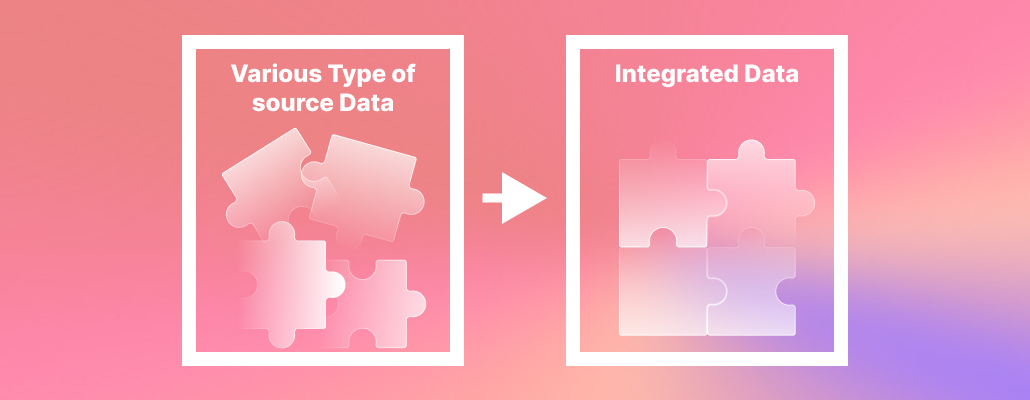
Mulesoft offers a magic toolbox called Anypoint Platform. This platform has pre-built connectors, like little bridges, that connect your different applications. No more struggling to understand lion roars or zebra stripes – Mulesoft translates the data into a common language that all your applications can understand.
Think of it like this: You want the lion (accounting) to tell the monkeys (marketing) when a new customer signs up. With Mulesoft, the lion roars the customer information into the bridge, which translates it into monkey language (marketing data) and sends it swinging to the monkeys. Now the monkeys can target the new customer with special offers – all thanks to Mulesoft's smooth translation.
Faster Integrations with Less Code
Building connections from scratch between all your applications would take forever, like trying to train each animal to understand each other's noises. Mulesoft's pre-built connectors are like pre-trained animals – they already know how to communicate. This saves you a ton of time and effort, letting you focus on the fun stuff, like what cool things your connected applications can achieve.
Mulesoft also uses a drag-and-drop interface, so building connections is like arranging colorful blocks. No need to be a coding whiz – even beginners can create mulesoft integrations quickly and easily. This is especially helpful for businesses that don't have a huge IT team, or for those who just want to get things done faster.
Mulesoft Adapts to Your Needs
Your zoo might start with a few animals (applications), but what if you want to add more giraffes (ERP systems) or playful penguins (collaboration tools) later? Mulesoft's platform is super flexible. It can handle new additions easily, with its ever-growing library of connectors that can connect to almost any system you can imagine.
Mulesoft also understands that your needs might change over time. Maybe you want to switch from zebras (one CRM) to a whole herd of happy hippos (another CRM) – no problem! Mulesoft's integrations are adaptable, so you can modify them as your business evolves.
Benefits of Mulesoft Integration in Enterprise
So, what happens when all your animals (applications) are talking to each other through Mulesoft's bridges? It's like magic! Here's what you can expect:
Faster decision-making
With all your data flowing smoothly, you can get real-time insights into what's happening in your business. This lets you make quicker and better decisions.
Improved customer experience
When your applications work together seamlessly, you can provide a more personalized and efficient experience for your customers.
Increased efficiency
No more wasting time on manual data entry or struggling to get information from one system to another. Mulesoft automates these tasks, freeing up your team to focus on more strategic work.
Reduced costs
Mulesoft helps you eliminate the need for custom coding and complex integrations, which can save your business a significant amount of money.
These are some of the benefits of Mulesoft integration in enterprise architecture.
Conclusion
Think of Mulesoft is quite important to release the full power of your enterprise architecture. You can create a truly connected and efficient business by breaking down communication barriers between your applications. So, leave the struggle of the enterprise zoo and let Mulesoft be your friendly translator. With Mulesoft, your applications will work together like a well-oiled machine as it helps you achieve your business goals faster and easier.
FAQs
1. What is Mulesoft, and how does it help businesses?
Mulesoft offers a platform called Anypoint Platform that helps businesses connect different software applications easily. Imagine you have a bunch of different tools that all speak different languages. Mulesoft acts like a translator, allowing all your applications to understand each other and share data smoothly. This makes your business more efficient and helps you make better decisions.
2. Is Mulesoft easy to use?
Yes! Mulesoft uses a drag-and-drop interface, so you don't need to be a coding expert to use it. Even beginners can quickly build integrations between their applications. This is a big benefit for businesses that don't have a large IT team or that want to get things done quickly.
3. What are the benefits of using Mulesoft?
There are many benefits to using Mulesoft, including:
Faster decision-making: Get real-time insights from all your data.
Improved customer experience: Deliver a more personalized experience for your customers.
Increased efficiency: Automate tasks and free up your team to focus on more strategic work.
Reduced costs: Save money by eliminating the need for custom coding and complex integrations.
4. Will Mulesoft work with all my existing applications?
Mulesoft's Anypoint Platform has a vast library of connectors that can connect to almost any system you can imagine. So, chances are good that Mulesoft can connect your existing applications. If not, Mulesoft is constantly adding new connectors to its library.