Is Python Generally Used on the Back-End or Front-End of Web Development?
You may be familiar with or an expert in the Python coding language if you are an IT professional or studying for an IT-related degree. Among many languages, Python is one of the most common and frequently learned languages in the coding world. Python is used for many large-scale software development projects, and Python professionals are highly sought after. Python consistently ranks as a top programming language due to its versatility, particularly in developing powerful web applications. Python web development is a specialized branch in the IT industry.
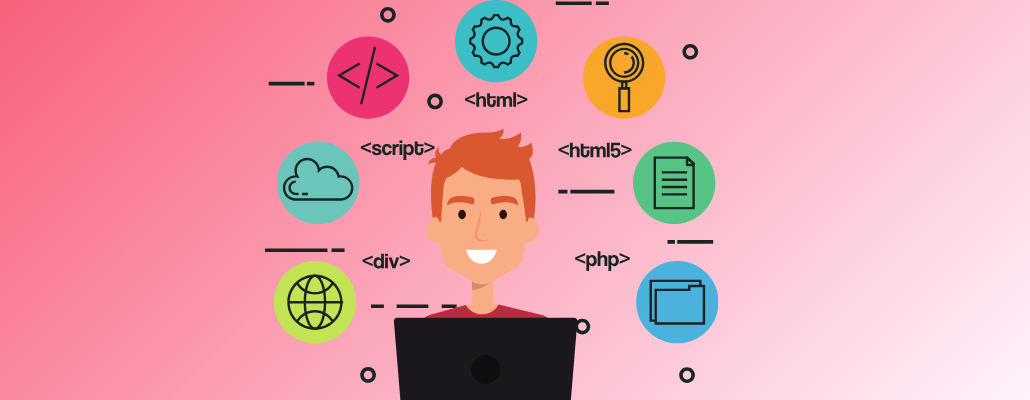
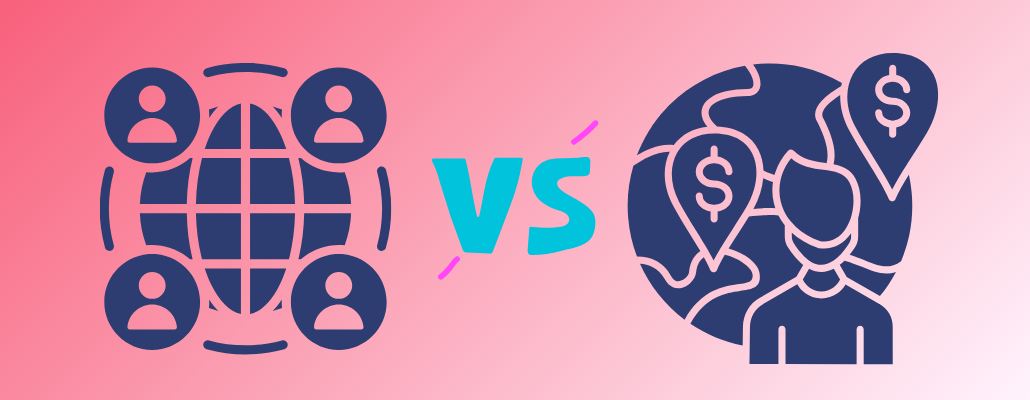
Now, there are two key terminologies in the world of development: Back-end and Front-end. In this blog, we will discuss these two prominent IT terms and answer the question: Is Python web development a good choice for back-end or python for front-end web development?
What is Web Development, and What Does It Comprise?
Web development is the process of designing and hosting websites or applications that are accessible via the Internet. There are typically three main domains of web development:
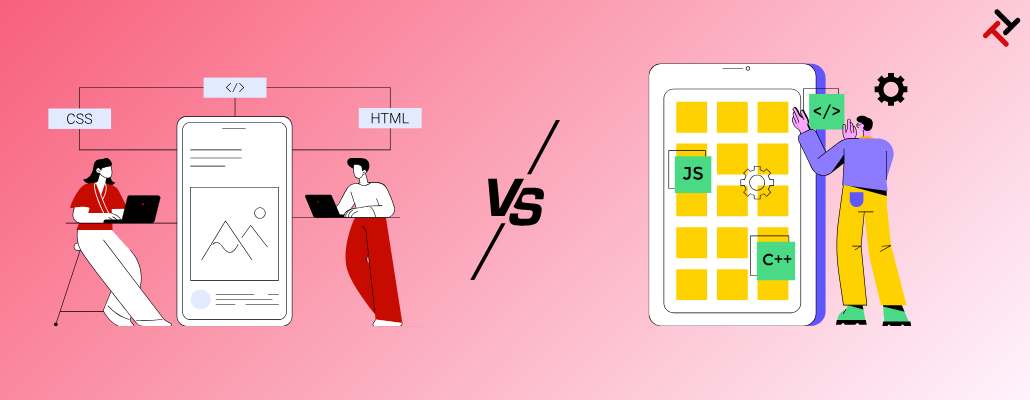
Front-End Development
Front-end development concerns the part of a website or application that users interact with. It is often referred to as client-side development.
Back-End Development
Back-end development refers to the server-side logic and functionality of websites and web applications. This includes configuring servers, managing databases, and handling application logic, which is responsible for data processing and user authentication. Python for back-end web development is a good option to select.
Hosting and Deployment
Hosting and deployment make a website or web application accessible to users on the internet. This process involves choosing a hosting provider, configuring servers, deploying application code, and ensuring reliability, security, and performance.
Roles of Python in Web Development
Python plays various roles in web development, including:
-
Backend Development
-
Web Frameworks
-
API Development
-
Data Processing and Analysis
-
Web Scraping
Popular Python Frameworks for Web Development
Django
Django is a high-level web framework that allows rapid development with clean, pragmatic design. It follows the "Don't Repeat Yourself" (DRY) principle and includes built-in features for form handling, authentication, and database management.
Flask
Flask is a lightweight micro-framework for web application development.Flask is ideal for small to medium-sized applications that require flexibility and rapid development.
FastAPI
FastAPI is ideal for microservices, amazing for real-time applications, and brilliantly reputable high-performance APIs.
Choosing the Right Python Framework for Web Development
When selecting a Python framework, consider the following factors:
-
Security: Built-in protection against SQL injection, XSS, and CSRF attacks.
-
Performance: Scalability, caching, and asynchronous capabilities.
-
Cost: Open-source vs. licensed frameworks.
-
Capability: Features like authentication, database integration, and RESTful API support.
-
Integration: Compatibility with third-party tools and services.
Advantages of Using Python in Web Development
1. App Scripting
App scripting can't get any easier with Python, thanks to the agile and simple syntax and many libraries of pre-written code. It is also easily assimilated with the language C, which provides much scope for creating powerful web applications.
2. Software & API Testing
Python is highly useful for API and software testing. Developers can make API requests and easily fetch the required data using its accessible libraries. The language supports a wide range of popular testing frameworks, offering a stable environment with numerous options for developers.
3. Server-Side Scripting
Python is extremely handy for server-side scripting. Its clear syntax makes it easier for both humans and computers to read and process.
4. Scalable & Adaptable
One of Python’s biggest advantages in web development is its scalability. Its adaptability, combined with a vast range of pre-written libraries, allows developers to scale projects quickly.
Startups especially benefit from Python’s flexibility. The ability to pivot and shift project direction without major setbacks makes it an ideal choice in fast-moving tech environments.
5. Prototyping
Python’s flexibility enables rapid prototyping. Developers can start with a basic mockup and transform it into a fully functional product in no time, significantly reducing development time.
6. Easy to Learn & Readable
Python is one of the easiest programming languages to learn, primarily because of its simple and English-like syntax. Unlike other programming languages filled with complex symbols, Python code is intuitive and beginner-friendly.
7. Web-Scraping
Python makes web-scraping straightforward and efficient. Web developers use Python to collect data from websites easily, leveraging its powerful libraries. Instead of writing complex code, developers only need to specify what data to extract and from which URLs.
If you want to dive deeper into web-scraping, check out our beginner’s guide to web-scraping for step-by-step instructions.
8. Integration with Other Languages
Python seamlessly integrates with various languages, including:
-
Ruby (using RubyPython)
-
C (using CPython)
-
Java (using Jython)
-
PHP
This cross-language compatibility allows developers to connect with existing systems, making Python a valuable tool for web application development.
9. Large Ecosystem of Libraries and Frameworks
Python offers extensive libraries and frameworks like
1. Django,
2. Flask
3. FastAPI
for building powerful web applications.
10. Community and Support
Python has a large and active community, providing documentation, tutorials, and open-source libraries.
Python Web Development Use Cases
Python powers some of the most popular websites and applications, including:
-
Instagram Uses Django for backend infrastructure.
-
Pinterest Relies on Python for content delivery and recommendation algorithms.
-
Reddit was Built using the Pylons framework.
-
YouTube Uses Python for video processing and analytics.
-
Netflix employs Python for content recommendation and data analysis.
-
NASA Utilizes Python for scientific computing and data processing.
Python Back-End and Python Front-End Tabular Comparison
|
Feature |
Back-End (Python) |
Front-End (Python) |
|
Primary Usage |
Server-side logic, API handling |
UI/UX, client-side interactions |
|
Popular Frameworks |
Django, Flask, FastAPI |
Brython, Pyodide |
|
Database Handling |
Strong support (MySQL, PostgreSQL) |
Not applicable |
|
Performance |
High for server-side processes |
Limited compared to JavaScript |
|
Community Support |
Large and active |
Small but growing |
|
Learning Curve |
Easy to learn and implement |
Requires extra effort for front-end |
|
Security Features |
Strong authentication & encryption |
Limited to front-end tasks |
|
Integration with Other Tech |
Works well with front-end frameworks |
Requires workarounds to be effective |
|
Use Cases |
APIs, data processing, authentication |
UI scripting, automation, WebAssembly |
|
Best For |
Full-stack & back-end developers |
Experimentation with front-end |
Power your web applications with expert Python development services. Whether it's front-end finesse or back-end brilliance. Tangent Technologies delivers amazing solutions.
Let’s build something exceptional and incredible.
Stay tuned with Tangent Technologies.
Conclusion
Python is an excellent choice for web development due to its simplicity, flexibility, and fantastic ecosystem of frameworks. It enables developers to build anything from basic websites to complex applications efficiently and cost-effectively. With its rising popularity and widespread adoption, Python continues to reshape web development with fresh ideas and innovative solutions. In short, python is a quality coding skill to be mastered for development projects. We hope you find this blog educating and mind-opening.
FAQ’s
1. Is python for back-end web development a good option?
Back-end development works best with Python because it provides strong frameworks alongside server-side programming abilities.
2. Can Python be used for front-end web development?
Yes, but it’s not common. Front-end capabilities for Python exist through Brython and WebAssembly, yet JavaScript continues to lead as the main language for this purpose.
3. What are the best Python frameworks for web development?
The most common Python web development frameworks consist of
1) Django
2) Flask
3) FastAPI
Because they serve back-end requirements.