Microservices: Scaling Down for Specialized Needs

In software architecture, microservices have emerged as a transformative approach to designing and implementing complex applications. The essence of microservices lies in breaking down monolithic structures into smaller, specialized components that operate independently but collaboratively. However, this blog explores the fundamental principles of microservices, emphasizing their role in scaling down for technical needs. Hence, we will delve into this architectural paradigm's advantages, challenges, and real-world applications, shedding light on how it addresses the intricacies of modern software development.
Understanding Microservices
A microservices architecture is an organizational and structural approach to software development that advocates decomposing large applications into independently deployable services. Unlike traditional monolithic architectures, where a single, massive codebase handles all aspects of an application, microservices promote the creation of small, self-contained services, each dedicated to a specific business capability.
The Essence of Scaling Down
The idea of "scaling down" in microservices refers to the granularity of the components. Instead of having one colossal entity attempting to handle all tasks, microservices encourage the creation of smaller, specialized units. Hence, each microservice is akin to a technical worker in a highly efficient team, concentrating on a specific aspect of the overall operation.
Advantages of Microservices
1. Simplified Development and Maintenance
Microservices simplify the software development life cycle. Each microservice is designed to perform a specific function, making the codebase more modular and easier to understand. Developers can focus on a particular microservice without an in-depth understanding of the entire application. Hence, this modularity streamlines development and allows for parallel work on different services.
2. Enhanced Scalability
Microservices provide a more granular approach to scalability. In a monolithic architecture, scaling often involves replicating the entire application, even if only a specific component requires additional resources. Hence, microservices enable targeted scaling, increasing the capacity of individual services without affecting the whole system.
3. Autonomy and Independence
One of the core principles of microservices is autonomy. Each microservice operates independently, with its codebase, database, and deployment process. However, this independence fosters agility, as teams responsible for different microservices can work autonomously. Hence, they can choose their preferred programming languages, frameworks, and development methodologies.
4. Improved Fault Isolation
Microservices contribute to improved fault isolation. In a monolithic architecture, a failure in one module can potentially bring down the entire system. As independent units, microservices limit losses' impact on specific services. Hence, if one microservice encounters an issue, it does not necessarily disrupt the entire application, as other microservices continue to function.
Challenges and Considerations
While the advantages of microservices are significant, it's essential to acknowledge the challenges associated with adopting this architectural paradigm.
1. Increased Complexity in Deployment and Orchestration
Microservices introduce a more complex deployment and orchestration landscape. However, coordinating the deployment of numerous microservices, each with its dependencies and versioning, can be challenging. Hence, tools like container orchestration platforms (e.g., Kubernetes) have become integral to managing this complexity by automating deployment, scaling, and maintenance tasks.
2. Data Management Challenges
Decomposing a monolithic database into microservices often presents data management challenges. However, each microservice may have its database, and ensuring data consistency across services becomes a non-trivial task. Hence, adopting strategies such as event sourcing or maintaining a transparent data ownership model helps address these challenges.
3. Communication Between Microservices
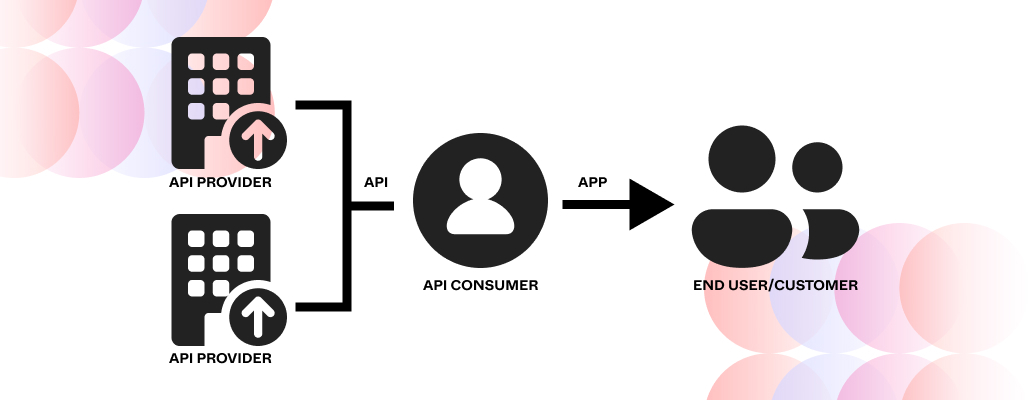
Microservices communicate with each other through APIs. While this promotes loose coupling, it also introduces challenges in managing API versions, ensuring compatibility, and handling communication failures. Hence, implementing robust API management and versioning strategies is crucial for maintaining a resilient and evolving microservices architecture.
4. Monitoring and Debugging Complexity
With the increased number of microservices, monitoring and debugging become more intricate. However, more than traditional monolithic application monitoring approaches may be required. Hence, adopting distributed tracing and logging solutions becomes essential for gaining insights into microservice interactions and effectively diagnosing issues.
Real-world Applications
The adoption of microservices is not confined to theory; it has become a prevalent architectural choice for various real-world applications.
1. E-commerce Platforms
With their diverse functionalities, E-commerce platforms benefit significantly from a microservices architecture. Separate microservices can handle product catalog management, user authentication, order processing, payment transactions, and shipping logistics. Hence, this modular approach allows for better scalability and flexibility, accommodating the dynamic nature of e-commerce operations.
2. Financial Systems
Microservices offer an ideal solution in financial systems where precision, reliability, and scalability are paramount. However, transaction processing, risk management, and customer account management can be encapsulated within dedicated microservices. Hence, this ensures that changes or updates in one area do not disrupt the overall stability of the financial system.
3. Media Streaming Services
With their diverse content delivery requirements, media streaming services leverage microservices to enhance performance and scalability. Microservices can handle content recommendation algorithms, user authentication, streaming servers, and content delivery networks (CDNs). However, this modular structure enables these services to adapt to varying user demands and efficiently scale resources.
4. Healthcare Systems
Microservices provide an adequate architectural foundation in healthcare systems where data security, privacy, and interoperability are critical. Separate microservices can manage electronic health records, appointment scheduling, billing, and communication between healthcare modules. Hence, this segregation ensures that each aspect operates independently, contributing to the overall efficiency of the healthcare ecosystem.
Conclusion
In conclusion, the journey toward microservices involves a paradigm shift that embraces the idea of breaking down complexity into manageable, specialized components. Hence, as technology continues to advance, the principles of microservices will likely play a pivotal role in shaping the future of software architecture and development.