Why Agile Development Still Dominates in 2025
You may have heard that agile is outdated or being replaced by newer methodologies. But, as it goes with famous last words, that is just not true. In fact, the agile software development process is still the dominant approach for software teams in 2025 and is more relevant now than ever before.
Agile is not just surviving; it's thriving. Businesses around the world continue to choose agile because it pays off. Moreover, agile adapts to changing business needs better than any alternative methodology.
We are writing this blog to explain why the agile software development process continues to dominate and what makes it so effective.
What Makes Agile Different?
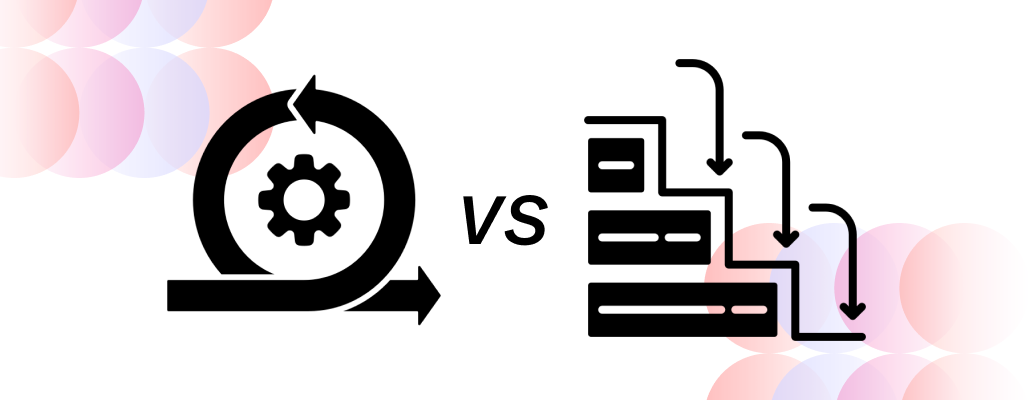
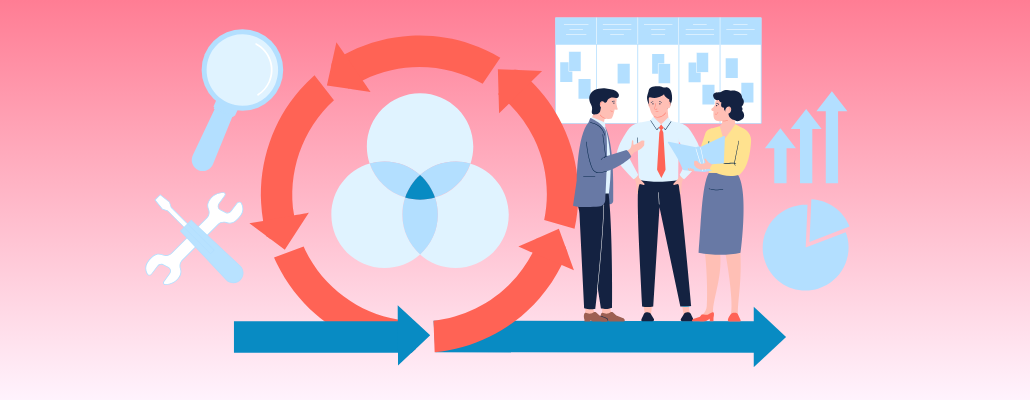
To begin with, let me briefly explain what agile is all about. To put it in simple words, traditional development follows an already-structured plan laid out right from the very beginning. On the other hand, the agile software development process embraces change. It breaks projects into small iterations called sprints.
Additionally, each sprint results in workable software, which the stakeholders can review. This means that there is more continuous, rather than end-of-the-cycle, feedback. Secondly, teams can also pivot quickly on that feedback. Therefore, the final product meets the actual needs better.
Why Agile Still Dominates in 2025
Let’s dive into some reasons why Agile is still there in the industry.
Speed and Flexibility
In 2025, business moves fast, as does the market: constantly changing conditions and shifting customer preferences. So, rigid development approaches cannot keep up. Meanwhile, Agile thrives in this environment.
The agile software development process allows for quick pivots without starting over. Teams can reprioritize features between sprints. Moreover, they can respond to competitive threats immediately. As a result, businesses remain relevant and competitive.
Better Risk Management
Traditional projects fail spectacularly when all comes together at the end. Agile dramatically reduces that risk. Working software delivered every sprint ensures that any problem surfaces very early.
Also, stakeholders see progress continuously. They can provide feedback before too much time and money is invested in the wrong direction. So, expensive mistakes get caught early, when they are cheap to fix.
Improved Team Collaboration
Agile software development places great emphasis on teamwork and communication. Daily stand-ups put everybody on the same page. Sprint planning creates a shared understanding, and retrospectives help teams continuously improve.
Furthermore, agile breaks down the silos between developers, designers, and business stakeholders. Everybody is aligned with the same goals. Thus, the morale and productivity of the team will skyrocket.
Customer-Centric Approach
Agile puts customers at the center of development. Regular demos and feedback sessions ensure that the product is meant for real needs, while customers see progress continuously rather than waiting months for results.
Most importantly, it establishes trust and satisfaction. Customers feel that they were heard and included. Therefore, the adoption rate of the final product is higher, and the success rate is greater.
Agile vs Lean Software Development
Many companies combine agile with principles of lean software development. Though different, they complement each other well. Lean software development concerns itself with eliminating waste and maximizing value.
Furthermore, lean principles make agile teams more productive. They identify and remove unnecessary processes. Besides, continuous improvement is urged by both methodologies. Thus, teams using both approaches show better results more often.
The Role of Software Project Management
Effective management of software projects forms the basis of agile success. However, agile project management is different. Instead of upfront detailed planning, an agile project manager becomes a facilitator and remover of obstacles.
Moreover, they help teams to stay focused and productive. They ensure communication flows smoothly. Additionally, they protect teams from external disruptions. Consequently, agile teams can deliver consistently and sustainably.
Modern software project management tools support agile workflows very well. They provide visibility without creating bureaucracy. Hence, everyone stays informed while maintaining agility.
Why Businesses Choose Agile Partners
Now, when hiring external help, businesses explicitly look to hire an agile custom software development company. Why? Because with agile, the partners deliver better results with more reliability.
First, agile companies can adapt to changing requirements without massive change orders. Second, they involve the clients throughout development. Moreover, they deliver value incrementally, rather than all at once. Therefore, businesses see ROI faster and reduce project risks.
In addition, dealing with a company specializing in custom software development with agile development ensures clarity in communication. You always know the project status and can influence the direction. That way, relationships become collaborative, not transactional.
Common Misconceptions About Agile
Some believe that agile means no planning. However, this belief is simply not true. The agile software development process incorporates complete planning. The difference is that it is done continuously rather than only at the very beginning.
Another myth is that agile does not involve documentation. Actually, agile emphasizes valuable documentation. It simply avoids creating documents nobody reads. Therefore, documentation serves real purposes rather than just checking boxes.
Lastly, some people think agile only works for small projects, yet a number of large enterprises are using agile successfully at scale. With proper implementation, the agile software development process works for any project size.
How Tangent Technologies Embraces Agile
At Tangent Technologies, we have been practicing the agile software development process since our founding. We've seen firsthand how it delivers superior results for our clients.
We offer:
-
Agile Methodology Knowledge: Experienced teams apply tried-and-tested practices
-
Lean Software Development: Eliminate waste and maximize value
-
Transparent Communication: Regular updates and demos
-
Flexible Approach: Catering to your ever-changing needs
-
Expert Software Project Management: Keeping projects on track
An industry-leading custom software development company, we leverage agile development expertise to deliver faster launches, reduced risks, and better results for our clients. Our agile approach involves you in every step of the development process to ensure you get exactly what you need.
Let's build your project in an agile way.
Connect with Tangent Technologies today.
Conclusion
The reason why agile dominates software development processes in 2025 is that agile solves real problems. It provides flexibility, reduces risk, improves collaboration, and delivers customer value consistently. These benefits remain as relevant today as when agile began.
All it requires, however, is proper implementation by experienced practitioners. Teams should be genuinely agile and not just ritually follow agile principles. In this blog, we shared why agile still dominates in software development. We hope this blog has been useful for you.
FAQs
1. What is the agile software development process?
Agile software development is an iterative process. It breaks projects into short cycles called sprints. Flexibility, continuous feedback, regular delivery of working software, and adaptation to changing requirements are emphasized throughout development.
2. In what ways does Agile differ from traditional waterfall development?
Agile delivers working software incrementally through sprints, welcomes changing requirements, and involves continuous stakeholder feedback. Traditional waterfall follows sequential phases with detailed upfront planning and delivers everything at the end, with limited flexibility for changes.
3. What is Lean software development?
Lean software development focuses on eliminating waste, amplifying learning, deciding as late as possible, delivering fast, empowering teams, building integrity in, and seeing the whole. It supplements agile by bringing in principles of efficiency and value optimization.
4. Why Choose a Custom Software Development Company with Agile Development?
An agile development company offering custom software development provides flexibility in the face of changing requirements, enlists your participation throughout the process, delivers value incrementally, reduces project risks, and exhibits transparency in communication via collaborative partnerships rather than strict contracts.
5. What is the role of software project management in Agile?
Thus, the management of software projects under Agile adapts principles aimed at facilitating team collaboration, obstacle removal, making communication easy, protecting team focus, and maintaining a sustainable delivery pace rather than elaborate upfront planning and rigid milestone tracking.