An AI Model for the Brain Is Coming to the ICU
The ICU is usually a place of urgency and constant attention. Now imagine adding an AI Model that watches your brain like a hawk without blinking. The Cleveland Clinic and a startup called Piramidal are building exactly that. It’s not sci-fi anymore,it’s smart, it's serious, and it might just redefine brain care in critical medicine.
What Is an AI Model?
At its core, an AI Model is a computational system trained on massive datasets to recognize patterns, make predictions, and sometimes even act on insights. Think of it as a digital brain assistant: it doesn’t replace humans, but it extends their reach. Have a look on incredible points to describe an AI model in the easiest way.
-
A system trained to recognize patterns in data
-
It makes predictions based on learned information
-
Can act on insights to support decision-making
-
Functions as a digital assistant, not a replacement for humans
-
Extends human capabilities by processing large datasets quickly
-
In healthcare, it analyzes EEG readings, lab results, and scans
-
Helps spot subtle signals that humans might miss
What Makes This AI Model Stand Out
Think ChatGPT for brainwaves. Instead of text, this AI Model is trained on a million hours of EEG data from thousands of patients. It constantly listens to brainwaves in real time and speaks back when abnormalities appear,like seizures or dips in brain function. Doctors get alerts in seconds instead of sifting through four hours of data. Welcome to the era of real-time neuro-monitoring.
Why Real-Time Matters in the ICU
In a typical ICU, EEG reports come every 12 to 24 hours and take doctors between two to four hours to analyze. That’s precious time lost before deciding if the patient needs immediate help. With this AI Model, alerts are nearly instant. Doctors still lead the decisions, but crucial patterns are spotted faster. It’s like having a silent partner who doesn’t sleep,reminding us all that timing can be life or death.
Building the Brain’s Foundation Model
Piramidal calls this a "foundation model for the brain." It’s trained to adapt to different people, just as language models adapt to different tones of speech. This machine learning model recognizes patterns across healthy and unhealthy EEGs, adjusting to each patient’s neural uniqueness. It’s a marvel of scale and sensitivity.
Sayings of Developers about the Model
Its an highly innovative model and a game-changing invention. Let’s have a look on few words of the developes of this incredible project.
“This type of thing is time-consuming. It is subjective, and it is experience- and expertise-dependent,” says Imad Najm, a neurologist and director of the Epilepsy Center at the Cleveland Clinic’s Neurological Institute.
“The beauty of a foundation model is the same way ChatGPT can generalize text, it can adapt to your tone, it can adapt to your way of writing—our model is able to adapt to the brains of different people,” Sakellariou says.
Accuracy Isn’t Guaranteed,Yet
False alarms and misses are still a major worry for doctors. Missing a seizure is devastating; flagging a healthy patient is disruptive. The Cleveland Clinic is aiming for “humanlike” performance but hasn’t published accuracy stats yet. Next steps include publishing data to back up those claims,trust must be earned.
Beyond the ICU: Broader Possibilities Ahead
This computational model isn’t just for critical care. Epilepsy patients could benefit from real-time seizure alerts. Sleep disorders could get logged and analyzed accurately. Even consumer devices like EEG earbuds could use this foundation model to detect emotional or cognitive shifts. The potential is enormous,but so are the ethical concerns.
Ethical Brain Data: Proceed with Care
Brain data is deeply personal. It’s not just numbers,it’s the gateway to your inner life.
Who sees it? Who owns it? What if it’s used to infer things like emotional state or intent?
Neuroscience leaders stress that we need ethics baked into every step. Data may be powerful, but without rules, it can be dangerous.
The AI Model vs. The Doctor: A Human-Centered Alliance
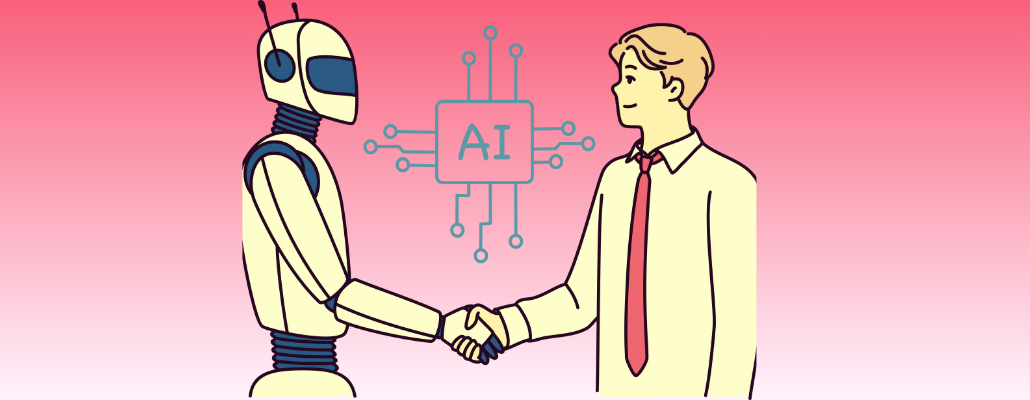
This isn’t about replacing doctors. It’s about giving them a powerful assistant. The AI Model scans, flags, and watches.
Doctors interpret, decide, and act. It’s the smartest partnership in medicine,combining data, intuition, experience, and empathy.
Why This AI Model Could Change Healthcare Forever
-
Speed saves lives – No more delays scanning EEGs manually.
-
Relieving pressure – Doctors can focus on care, not charts.
-
Scaling expertise – More patients get expert attention, no matter the staffing.
-
New care frontiers – Epilepsy, sleep disorders, emotional detection,all get smarter.
This AI Model is a linchpin for future AI in medicine.
Innovations Behind This AI Model
This is more than just pattern recognition. Some of the standout innovations include:
-
Predictive Analysis: Foresees potential neurological events before they occur.
-
Adaptive Learning: Continuously improves by analyzing new patient data.
-
Integration with Wearables: Future iterations may use wearable EEG devices to expand monitoring outside the ICU.
-
AI-Powered Diagnostics: Offers decision support for complex neurological cases.
At Tangent Technologies, our AI engineers develop innovative models for deivsidfied kind of professionals. Want to build some incredible AI model? We have AI experts to assist you
Stay connected with Tangent Technologies.
Conclusion
AI Models are rewriting the rules of critical care. Current AI models prove that healthcare can be smarter, faster, and safer. The era of AI-assisted ICU care is here, and it’s only going to expand.
Adapt AI faster and evolve in every field.
FAQs
1. What exactly is this Artificial Intelligence Model?
It’s a large-scale AI system trained on nearly a million hours of EEG data, designed to monitor, detect, and alert doctors to neurological issues in real time.
2. How soon will it be used live in ICUs?
Initial live testing is slated in the next six to eight months, starting in a tightly controlled environment before expanding.
3. Is the machine learning model replacing neurologists?
Not at all. It assists them by flagging issues; decisions remain firmly in doctors’ hands.
4. Could it be used for other brain-related health issues?
Absolutely. Epilepsy, sleep disorders, cognitive wellness,this model is versatile and could expand beyond the ICU.
5. What about privacy and ethics?
Brain data is deeply sensitive. Ethics experts emphasize embedding strong frameworks from day one to protect patient rights and data integrity.