Beyond ChatGPT: Building "AI-Native" SaaS Products in 2026

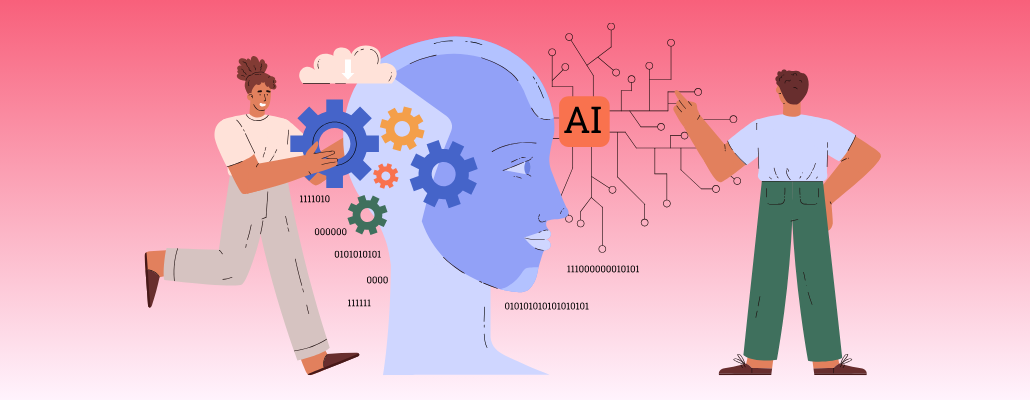
You may be thinking about adding AI features to your existing SaaS product. However, the real opportunity lies in building AI-native SaaS products from the ground up. These applications fundamentally reimagine workflows using AI rather than bolting chatbots onto traditional software. Moreover, the future of SaaS startups belongs to those who design for AI from day one.
Let us be clear: AI-native SaaS isn't about integrating ChatGPT into your app. Instead, it's about building products where AI is the core engine, not a feature. Therefore, understanding how to design AI-native SaaS gives you competitive advantages that traditional SaaS can't match.
We are writing this blog to help entrepreneurs and product leaders understand what AI-native SaaS really means and how to build it successfully.
What Makes SaaS Truly "AI-Native"?
Before diving into strategy, let's define AI-native SaaS clearly. AI-native SaaS uses artificial intelligence as its fundamental operating system, not just a feature. First, these products couldn't exist without AI powering core functionality. Second, they learn and improve automatically from user interactions.
Moreover, AI-native SaaS adapts to individual users dynamically. Additionally, it handles ambiguous inputs and generates sophisticated outputs. Furthermore, the value proposition centers on AI capabilities, not traditional software features. Therefore, AI-native SaaS represents a new product category entirely. Consequently, building AI-native SaaS requires different thinking than traditional software development.
The Shift in Generative AI Product Strategy
From Feature to Foundation
Traditional SaaS adds AI features to existing products. However, generative AI product strategy for AI-native SaaS starts with AI as the foundation. First, you design workflows assuming AI handles complexity. Second, user interfaces become conversational and intuitive.
Moreover, AI-native products reduce manual work dramatically. Additionally, they provide insights and automation impossible in traditional software. Therefore, generative AI product strategy fundamentally reimagines what's possible.
User Experience Transformation
AI-native SaaS transforms how users interact with software. First, complex multi-step workflows collapse into simple prompts. Second, users describe what they want rather than clicking through menus.
Moreover, AI-native interfaces adapt to user expertise levels. Additionally, they anticipate needs and offer proactive assistance. Furthermore, natural language becomes the primary interface. Therefore, AI-native SaaS feels fundamentally different from traditional software.
Key Characteristics of AI-Native SaaS
Intelligent Automation
AI-native SaaS automates tasks that required human judgment previously. First, it makes decisions based on context and patterns. Second, it handles edge cases without explicit programming.
Moreover, automation improves continuously from usage data. Additionally, AI-native products reduce time spent on routine tasks by 70-90%. Therefore, value proposition centers on intelligence, not just efficiency.
Personalization at Scale
Every user gets unique experiences in AI-native SaaS. First, AI adapts interfaces and recommendations individually. Second, it learns user preferences and work styles automatically.
Moreover, personalization happens without manual configuration. Additionally, the product becomes more valuable with usage. Therefore, AI-native SaaS creates moats through personalization.
Continuous Learning and Improvement
AI-native SaaS gets smarter automatically. First, models improve from collective user interactions. Second, new capabilities emerge without traditional updates.
Moreover, products adapt to industry changes and new patterns. Additionally, performance improvements happen continuously. Therefore, AI-native SaaS evolves rather than requiring version releases.
Building AI-Native SaaS: Strategic Considerations
Custom AI Software Development vs APIs
The future of SaaS startups involves critical decisions about AI infrastructure. First, determine whether to build custom models or use API services. Second, evaluate trade-offs between control and development speed.
Moreover, custom AI software development provides competitive advantages through proprietary capabilities. However, AI APIs enable faster launches with less investment. Additionally, hybrid approaches combine both strategically. Therefore, infrastructure decisions shape competitive positioning.
Data Strategy as Competitive Moat
AI-native SaaS requires sophisticated data strategies. First, product design must capture data that trains models. Second, user interactions become the training ground.
Moreover, unique datasets create defensible advantages. Additionally, data quality matters more than quantity for AI-native products. Therefore, data strategy is product strategy in AI-native SaaS.
Pricing and Business Models
AI-native SaaS enables new business models. First, usage-based pricing aligns with AI cost structures. Second, value-based pricing captures AI-driven outcomes.
Moreover, freemium models leverage AI's marginal cost advantages. Additionally, API access creates new revenue streams. Therefore, the future of SaaS startups includes innovative pricing beyond subscriptions.
Challenges in Building AI-Native SaaS
Managing AI Unpredictability
AI-native SaaS must handle AI's inherent unpredictability. First, generative AI product strategy includes managing hallucinations and errors. Second, products need guardrails and validation.
Moreover, user trust requires transparency about AI limitations. Additionally, human-in-the-loop designs prevent costly mistakes. Therefore, managing unpredictability is critical design challenge.
Technical Complexity
Custom AI software development is significantly more complex than traditional development. First, teams need AI/ML expertise alongside software engineering. Second, infrastructure costs and scaling differ from traditional SaaS.
Moreover, model training and deployment require specialized skills. Additionally, monitoring AI behavior demands new approaches. Therefore, AI-native SaaS requires different technical capabilities.
Regulatory and Ethical Considerations
AI-native SaaS faces unique regulatory challenges. First, data privacy requirements affect model training. Second, algorithmic bias creates ethical responsibilities.
Moreover, explainability requirements influence architecture decisions. Additionally, compliance costs increase with AI capabilities. Therefore, legal and ethical considerations must guide generative AI product strategy.
The Opportunity for Startups
Despite challenges, the future of SaaS startups lies in AI-native approaches. First, AI-native products capture market share from incumbents quickly. Second, they enable entirely new product categories.
Moreover, AI reduces traditional engineering headcount needs. Additionally, smaller teams can build more powerful products. Therefore, AI-native SaaS democratizes software entrepreneurship.
How Tangent Technologies Builds AI-Native Products
At Tangent Technologies, we specialize in AI-native SaaS development. We understand how to build products where AI is foundation, not feature. Therefore, we help clients navigate the complexities of custom AI software development.
We offer:
-
AI Product Strategy: Defining AI-native approaches from scratch
-
Custom AI Software Development: Building proprietary AI capabilities
-
Model Training and Optimization: Creating competitive advantages through AI
-
AI-Native Architecture: Designing systems for AI from the ground up
-
Generative AI Product Strategy: Planning products around AI capabilities
Our team combines AI expertise with product development experience to build the future of SaaS startups.
Let's build your AI-native SaaS product.
Connect with Tangent Technologies today.
Conclusion
"The best way to predict the future is to invent it." – Alan Kay
AI-native SaaS represents the next evolution of software, not just incremental improvement. These products reimagine workflows, automate intelligence, and create experiences impossible in traditional SaaS. Moreover, the future of SaaS startups belongs to those who build AI-native from inception.
Start thinking beyond adding AI features to existing products. Instead, reimagine what's possible when AI is the foundation. Therefore, now is the time to build AI-native SaaS. In this blog, we've explored what AI-native SaaS means and how to build it. We hope you find this blog useful.
FAQ's
1. What is AI-native SaaS and how is it different from traditional SaaS?
AI-native SaaS uses artificial intelligence as its core operating system rather than adding AI as a feature. It fundamentally reimagines workflows around AI capabilities, couldn't exist without AI, learns continuously from interactions, and provides personalized experiences automatically. Traditional SaaS adds AI features to existing products.
2. What should a generative AI product strategy include?
Generative AI product strategy should include defining core AI capabilities as foundation, designing AI-first user experiences, planning data collection and model training, addressing unpredictability and errors, establishing pricing aligned with AI costs, building competitive moats through proprietary data, and managing regulatory and ethical considerations.
3. Should startups build custom AI software development or use APIs?
Depends on strategy. APIs enable faster launches with lower investment and proven capabilities. Custom AI software development provides competitive advantages through proprietary capabilities, better control, and unique features. Most successful AI-native SaaS combines both: APIs for foundational capabilities and custom development for differentiation.
4. Why is AI-native SaaS the future of SaaS startups?
AI-native SaaS is the future of SaaS startups because it enables entirely new product categories, captures market share from incumbents through superior experiences, reduces traditional engineering needs, allows smaller teams building powerful products, creates network effects through continuous learning, and unlocks value impossible with traditional software.
5. What are the biggest challenges in building AI-native SaaS?
Biggest challenges include managing AI unpredictability and errors, acquiring AI/ML expertise alongside traditional development skills, handling higher infrastructure costs and complexity, capturing quality training data, ensuring regulatory compliance, addressing algorithmic bias and ethics, and establishing trust with users despite AI limitations.