Application Modernization Services in the USA
In today’s ever-evolving digital landscape, businesses are continuously searching for ways to stay competitive, boost efficiency, and foster innovation. One key strategy that has proven highly effective is Application Modernization Services. For many organizations, legacy applications have been both an asset and a liability—they’ve supported operations for years but now hinder the adoption of modern technologies. This blog takes a closer look at Application Modernization Services in the USA, exploring why it’s essential to update legacy applications and how companies can go about it.
What Are Application Modernization Services?
Application Modernization Services involve updating older software systems—often referred to as legacy applications—so they better meet today’s business needs. This might mean moving to the cloud, integrating with new systems, or enhancing the user experience. But modernization isn’t just about following tech trends; it’s about making sure your business stays agile, secure, and ready to scale.
Types of Application Modernization Services
Modernization isn’t a one-size-fits-all solution. Depending on your business needs and the state of your current systems, there are different approaches to take. Here are some of the most common types of Application Modernization Services:
- Rehosting (Lift and Shift) This approach involves moving an application to a new environment with minimal changes. It’s often the quickest way to modernize, usually involving a simple transition to cloud infrastructure without altering the application’s core architecture.
- Replatforming Replatforming involves making slight adjustments to the application to better fit the new platform, typically the cloud. This might include minor optimizations to take advantage of cloud-native features.
- Refactoring Refactoring is more intensive and involves altering the application’s code to improve its structure and efficiency. This process makes the application more scalable and easier to maintain over time.
- Rearchitecting This method involves completely revamping the application’s architecture to align with modern standards and technologies. Rearchitecting is often necessary when an application needs to be scalable and highly flexible.
- Rebuilding Sometimes, the best approach is to rebuild the application from the ground up using modern frameworks and tools. This offers the most flexibility but is also the most resource-intensive.
- Replacing In some cases, the best option is to retire the old application altogether and replace it with a new one. This is common when the legacy application is too outdated or inefficient to justify a rebuild.
The Roadmap to Modernization
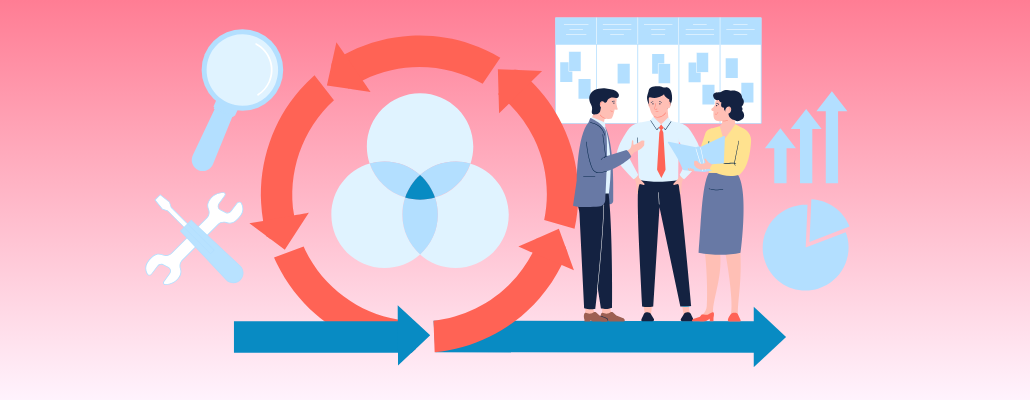
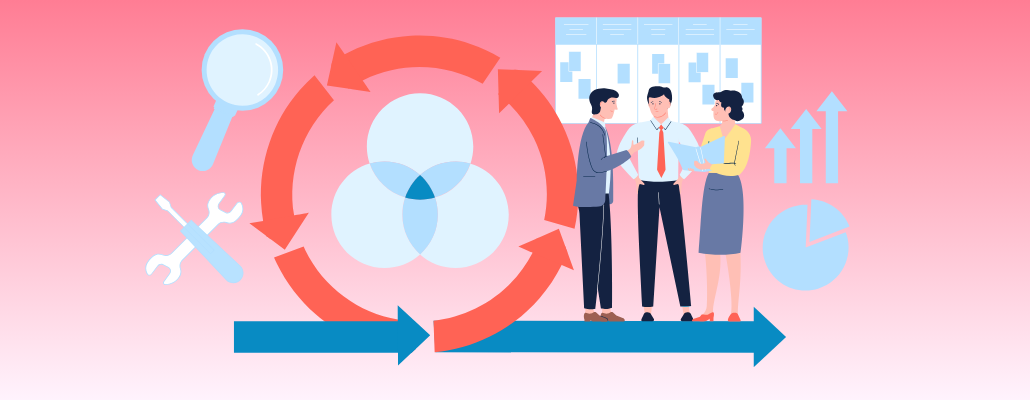
Embarking on the journey of application modernization requires careful planning and execution. Here’s a simplified roadmap to guide your business through the process:
- Assessment: Begin by evaluating your existing applications to determine which ones are worth modernizing. Consider the business value, technical debt, and current performance of each application.
- Strategy Development: Based on the assessment, develop a modernization strategy that aligns with your business goals. Decide on the type of modernization—rehosting, refactoring, or rebuilding.
- Execution: Implement the modernization strategy with a focus on minimizing disruption to your business. This might involve phased rollouts, continuous testing, and regular iterations.
- Optimization: After modernization, continuously monitor the application’s performance and make further optimizations as needed. This ensures that your modernized application remains efficient, secure, and scalable.
Conclusion
Application Modernization Services are crucial for any business aiming to stay competitive in today’s digital age. By modernizing legacy applications, companies can increase efficiency, reduce costs, enhance security, and ensure scalability. Whether you choose to rehost, refactor, or rebuild, the key is to adopt a modernization strategy that aligns with your business objectives. As businesses in the USA continue to embrace digital transformation, Application Modernization Services will play a pivotal role in driving growth and innovation. You can select tangent as a best software development company for mobile apps.
FAQs
1. What is application modernization?
Application modernization is the process of updating and improving legacy applications to meet current business needs and technology standards. This can involve rehosting, refactoring, replatforming, or even replacing the application.
2. Why is application modernization important?
Modernizing legacy applications is essential to improve efficiency, reduce costs, enhance security, and ensure that the application can scale with your business needs.
3. What are the different types of application modernization services?
Common types include rehosting (lift and shift), replatforming, refactoring, rearchitecting, rebuilding, and replacing. Get the best application modernization services from tangent which is a best software development company for mobile apps.
4. How do I know if my application needs modernization?
Signs that an application may need modernization include high maintenance costs, frequent downtime, security vulnerabilities, and difficulties integrating with other systems.
5. How long does the application modernization process take?
The duration depends on the scope of the modernization effort, the complexity of the application, and the chosen modernization approach. It can range from a few weeks for simple rehosting to several months for a complete rebuild.