Maximizing ROI: Why Startups are Moving to Usage-Based Pricing Models
You may still be using traditional subscription pricing for your SaaS product. However, more startups are switching to usage-based pricing SaaS models that align costs with value. This shift isn't random. Instead, it reflects changing customer expectations and competitive dynamics. Moreover, usage-based pricing often delivers better ROI for both startups and customers.
Let us be clear: usage-based pricing SaaS isn't appropriate for every product. However, it's becoming dominant in certain categories for good reasons. Therefore, understanding this pricing model helps you evaluate whether it makes sense for your business.
We are writing this blog to help SaaS founders understand usage-based pricing and why it's reshaping SaaS monetization strategies.
Understanding Usage-Based Pricing SaaS
Before exploring benefits, let's define usage-based pricing clearly. Usage-based pricing SaaS charges customers based on consumption rather than fixed subscriptions. First, customers pay for actual usage of the product. Second, bills fluctuate based on activity levels.
Moreover, usage metrics vary by product type. For example, API calls, data processed, seats used, or features accessed. Additionally, many companies combine usage-based pricing with base subscriptions. Therefore, hybrid models balance predictability with flexibility. Consequently, usage-based pricing SaaS aligns revenue with customer value received.
Why Traditional Subscription Models Are Challenged
Customer Resistance to Unused Capacity
Traditional subscriptions charge whether customers use products or not. First, customers pay for seats they don't fill. Second, they purchase tiers with features they don't need.
Moreover, SaaS fatigue from unused subscriptions is growing. Additionally, CFOs scrutinize software spending more carefully. Therefore, customers increasingly prefer pay-for-what-you-use models. Consequently, subscription vs consumption models debate favors consumption for many use cases.
Misalignment with Cloud Economics
SaaS companies increasingly run on cloud infrastructure with usage-based costs. First, cloud providers charge for actual resource consumption. Second, fixed subscription revenue mismatches variable costs.
Moreover, cloud cost optimization becomes critical for profitability. Additionally, usage-based pricing SaaS aligns revenue with costs naturally. Therefore, pricing model and cost structure harmony improves unit economics.
Benefits of Usage-Based Pricing SaaS
Lower Barriers to Entry
Usage-based pricing reduces customer acquisition friction. First, customers can start with zero or minimal commitment. Second, initial costs are low for new users trying products.
Moreover, "land and expand" becomes natural with usage pricing. Additionally, sales cycles shorten without large upfront commitments. Therefore, customer acquisition costs decrease significantly. Consequently, usage-based pricing SaaS accelerates growth.
Automatic Account Expansion
Revenue grows naturally as customers use products more. First, successful customers automatically generate more revenue. Second, expansion happens without upsells or contract negotiations.
Moreover, customer success directly ties to revenue growth. Additionally, product-led growth works better with usage pricing. Therefore, SaaS monetization strategies centered on usage align growth with value delivery.
Fairer Pricing Perception
Customers perceive usage-based pricing as more fair. First, they pay proportionally to value received. Second, there's no penalty for underutilization.
Moreover, usage-based pricing SaaS builds trust through transparency. Additionally, customers feel control over their spending. Therefore, satisfaction and retention improve with perceived fairness.
Competitive Differentiation
Usage-based pricing can be competitive advantage. First, it attracts customers frustrated with subscription models. Second, it signals confidence in product value.
Moreover, transparent consumption pricing differentiates from competitors. Additionally, customers appreciate flexibility and cost control. Therefore, pricing model becomes part of product positioning.
Challenges of Usage-Based Pricing
Revenue Unpredictability
Usage-based pricing creates forecasting challenges. First, monthly recurring revenue becomes less predictable. Second, seasonal usage patterns affect cash flow.
Moreover, investor expectations favor predictable subscriptions. Additionally, financial planning becomes more complex. However, aggregate trends become predictable over time.
Infrastructure and Billing Complexity
Implementing usage-based pricing SaaS requires sophisticated systems. First, accurate usage tracking is essential and challenging. Second, billing infrastructure must handle variable calculations.
Moreover, customer visibility into usage and costs is crucial. Additionally, cloud cost optimization must prevent margin erosion. Therefore, technical investment is necessary upfront.
Customer Budget Management
Some customers prefer subscription vs consumption models for budget predictability. First, variable costs complicate budget planning. Second, unexpected bills create friction.
Moreover, caps and alerts help manage this concern. Additionally, hybrid models provide base costs plus overages. Therefore, thoughtful implementation addresses budget concerns.
Implementing Usage-Based Pricing Successfully
Choose the Right Usage Metric
Usage-based pricing SaaS requires identifying value-aligned metrics. First, metrics should correlate with customer value clearly. Second, they must be easy to understand and track.
Moreover, metrics should encourage desired product usage. Additionally, they must be difficult to game or circumvent. Therefore, metric selection is critical strategic decision.
Provide Usage Visibility
Transparency builds trust in usage-based models. First, real-time usage dashboards prevent bill shock. Second, alerts notify customers approaching thresholds.
Moreover, historical usage data helps customers plan. Additionally, recommendations optimize usage costs. Therefore, visibility tools are essential SaaS monetization strategies.
Implement Intelligent Pricing Tiers
Most successful usage-based pricing SaaS uses tiered structures. First, volume discounts reward larger customers. Second, tiers simplify pricing communication.
Moreover, free tiers enable product-led growth. Additionally, commitment-based discounts add predictability option. Therefore, hybrid approaches balance multiple objectives.
Optimize Cloud Infrastructure
Usage-based pricing requires excellent cloud cost optimization. First, per-customer costs must stay below revenue. Second, scaling efficiency improves margins.
Moreover, automated resource management prevents waste. Additionally, monitoring catches cost anomalies quickly. Therefore, technical excellence enables profitable usage pricing.
SaaS Monetization Strategies for 2026
Current trends show evolution in SaaS monetization strategies. First, pure subscriptions are declining in new products. Second, consumption models are becoming default for infrastructure and APIs.
Moreover, hybrid models combine subscriptions with consumption. Additionally, feature-based pricing persists for horizontal SaaS. Therefore, multiple approaches coexist based on use cases.
How Tangent Technologies Implements Usage-Based Pricing
At Tangent Technologies, we help clients implement usage-based pricing SaaS successfully. We understand the technical and strategic challenges. Therefore, we design systems that track usage accurately while optimizing costs.
We offer:
-
Pricing Strategy Consulting: Choosing right usage metrics and tiers
-
Usage Tracking Implementation: Accurate, scalable measurement systems
-
Billing System Development: Handling complex usage calculations
-
Cloud Cost Optimization: Maintaining healthy margins
-
Analytics and Dashboards: Providing usage visibility
Our team helps clients transition from subscription vs consumption models strategically, maximizing both growth and profitability.
Let's optimize your SaaS monetization strategy.
Connect with Tangent Technologies today.
Conclusion
"Price is what you pay. Value is what you get." – Warren Buffett
Usage-based pricing SaaS aligns costs with value better than traditional subscriptions for many products. It lowers acquisition barriers, enables natural expansion, and builds customer trust through fairness. Moreover, it matches modern cloud economics and customer preferences.
While challenges exist around predictability and complexity, thoughtful implementation overcomes these hurdles. Therefore, evaluate whether usage-based pricing makes sense for your SaaS monetization strategies. In this blog, we've explored why startups are adopting usage-based pricing. We hope you find this blog useful.
FAQ's
1. What is usage-based pricing SaaS?
Usage-based pricing SaaS charges customers based on actual consumption rather than fixed subscriptions. Customers pay for metrics like API calls, data processed, compute time, or features used. Bills vary with usage levels, aligning costs with value received rather than flat monthly fees.
2. How does usage-based pricing compare to subscription vs consumption models?
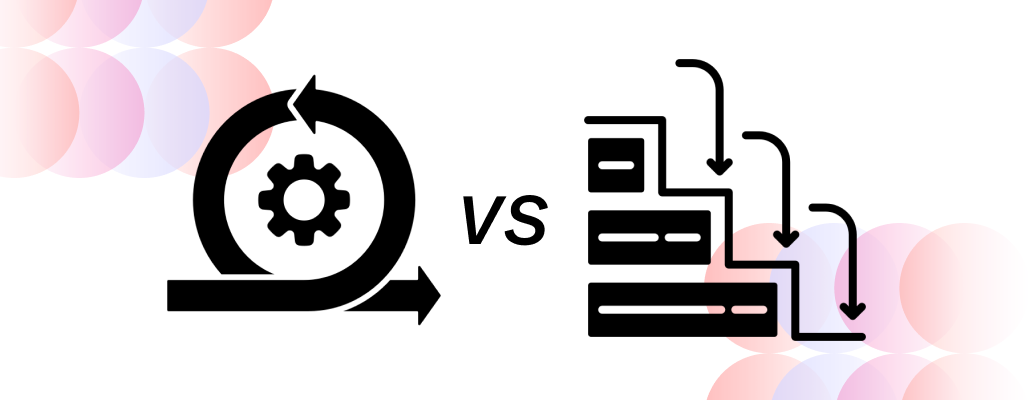
Subscription vs consumption models represent different philosophies. Subscriptions provide predictable recurring revenue and customer budgets but often charge for unused capacity. Consumption (usage-based) aligns costs with value, lowers barriers to entry, and enables natural expansion but creates less predictable revenue.
3. What are effective SaaS monetization strategies in 2026?
Effective SaaS monetization strategies include pure usage-based pricing for infrastructure products, hybrid models combining base subscriptions with usage overages, feature-based tiering for horizontal SaaS, and value-based pricing for outcome-focused products. The best approach depends on product category and customer preferences.
4. How does cloud cost optimization affect usage-based pricing?
Cloud cost optimization is critical for usage-based pricing profitability. Revenue scales with usage, but costs must grow slower. Efficient infrastructure, automated scaling, resource optimization, and per-customer cost monitoring ensure margins remain healthy as usage grows. Poor optimization can make usage-based pricing unprofitable.
5. What challenges come with implementing usage-based pricing SaaS?
Main challenges include revenue unpredictability affecting forecasts, complex usage tracking and billing systems, customer concerns about variable budgets, technical requirements for accurate measurement, and cloud cost optimization needs. However, these challenges are manageable with proper planning, hybrid pricing models, and transparent usage dashboards.