User-Centered Design: Putting the Customer First in Product Development
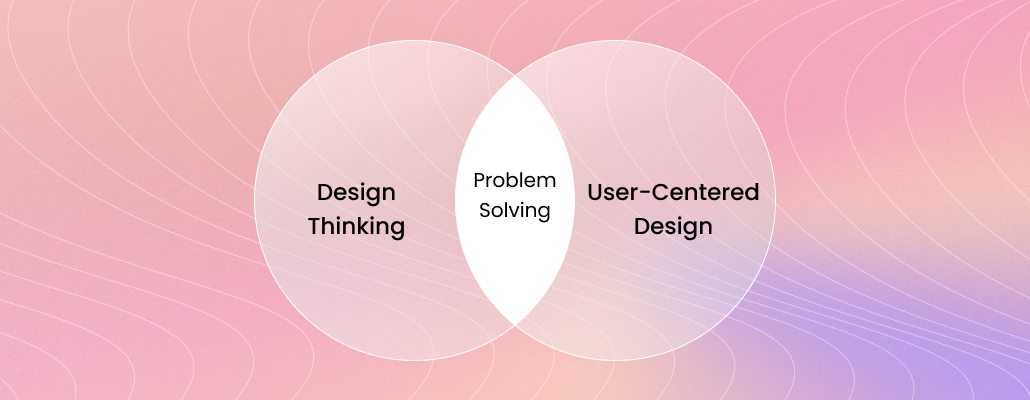
It is a design philosophy that prioritizes the end user throughout the product development lifecycle. This approach strongly emphasizes understanding user needs, behaviors, and preferences to create products that meet functional requirements and provide a positive and enjoyable user experience. However, by aligning design decisions with user expectations, UCD aims to enhance customer satisfaction, improve usability, and ultimately drive the success of products in the market.
Principles of User-Centered Design:
User Empathy:
It begins with a deep understanding of the target audience. Designers strive to empathize with users by exploring their goals, motivations, and pain points. Hence, this involves conducting user research, surveys, and interviews to gather insights that inform the design process.
Iterative Design Process:
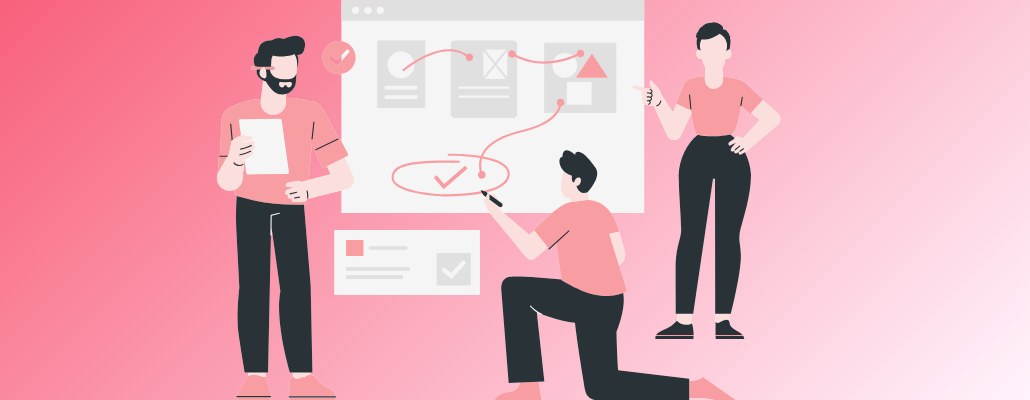
The iterative nature of UCD involves continuous refinement based on user feedback. Also, Designers create prototypes or mockups, test them with users, and use the feedback to improve. However, this cyclical process repeats until the final product aligns seamlessly with user expectations.
User Involvement:
Users are active participants in the design journey. Their input is sought and valued from the early stages of concept development to usability testing. However, this ensures that the final product is technologically feasible and resonates with the end user.
Usability Testing:
Regular usability testing is a fundamental aspect of UCD. It involves observing real users interacting with prototypes or the actual product. Moreover, usability testing provides valuable insights into user behavior, preferences, and areas of friction, allowing designers to make informed adjustments.
Clear Communication:
Effective communication is critical in User-Centered Design. Designers need to understand user feedback clearly, and users need to understand the design rationale. Hence, open and transparent communication fosters collaboration between designers, developers, and end users.
Benefits of User-Centered Design:
Improved User Satisfaction:
Placing the customer at the forefront leads to products that align closely with user expectations. As a result, users are more likely to be satisfied with the product's functionality, aesthetics, and overall experience.
Enhanced Usability:
Usability is a critical focus in UCD. By considering the end user's perspective, designers create products that are intuitive and easy to use. Hence, this, in turn, reduces the learning curve for users, leading to a more positive experience.
Reduced Development Costs:
Addressing usability issues early in the design process is more cost-effective than making significant changes later. However, Iterative testing allows designers to catch and rectify problems before they become major obstacles, ultimately saving on development costs.
Increased Adoption Rates:
User-friendly products are more likely to be adopted by a broader audience. However, positive user experiences contribute to word-of-mouth recommendations, positive reviews, and the product's overall success in the market.
Encourages Innovation:
Actively involving users in the design process often leads to innovative solutions. However, Users, being the end consumers, can provide unique perspectives and ideas that may not be apparent from a developer's standpoint.
Challenges and Considerations:
Diverse User Base:
Designing for a diverse user base requires careful consideration of varying needs, abilities, and cultural differences. So, UCD strives to ensure inclusivity and accessibility for all users.
Balancing Stakeholder Interests:
While user needs are a priority, designers must also consider business goals, technical constraints, and stakeholder interests. Hence, balancing these factors is crucial for the product's success.
Evolution of Technology:
Staying ahead of user expectations and technological advancements is a continuous challenge in rapidly evolving technological landscapes. Hence, Regular updates and adaptability are essential components of a successful UCD.
User Education:
Sometimes, users may resist changes or new features. Educating users about the benefits and providing clear communication can help overcome resistance and facilitate a smoother adoption process.
Conclusion
User-centered design is a holistic approach recognizing the end user's pivotal role in a product's success. By emphasizing user empathy, embracing an iterative design process, and actively involving users in decision-making, UCD seeks to create products that meet functional requirements and provide a delightful user experience. Customer First in Product Development has become a cornerstone of successful product development across diverse industries in an era where customer satisfaction is a crucial differentiator. However, organizations prioritizing user needs and preferences are better positioned to create products that resonate with their audience, foster loyalty, and stand out in the competitive market. In essence, User-Centered Design is about more than just making products; it's about creating meaningful and positive experiences for those who use them. For more latest articles regarding product design and development, keep visiting Tangent blog.